
Abbreviations
ANOVA: Analysis of Variance
CFU: Colony Forming Unit
EPS: Exopolysaccharide
LAB: Lactic Acid Bacteria
Introduction
Yogurt is an extensively enjoyed fermented dairy product that is popular around the globe [ 1 ]. Its consumption is linked to various health benefits, including better bone health, improved gut health, reduced cardiovascular disease risk, enhanced diabetes management, boosted immunity, and alleviation of allergy symptoms [ 2 ]. According to the Codex definition, yogurt is a type of fermented milk created through the symbiotic action of Streptococcus thermophilus and Lactobacillus delbrueckii subspecies bulgaricus [ 3 ]. Moreover, yogurts may contain additional cultures such as Lactococcus lactis, Lactobacillus casei, or various species of Bifidobacterium. In such instances, the product is classified as yogurt with added bacteria. The primary microorganisms found in yogurt belong to Lactic Acid Bacteria (LAB), which ferment lactose, the natural sugar in milk, into lactic acid [ 4 ]. Numerous studies have been carried out that have identified different LAB from naturally fermented milk products, with Lactococcus lactis subsp. cremoris and Lactococcus lactis subsp. lactis being the predominant microbiota, along with other mesophilic lactobacilli (Lactobacillus casei/Lactobacillus paracasei, Lactobacillus plantarum, Lactobacillus helveticus, Lactobacillus fermentum, or Lactobacillus acidophilus), Enterococcus faecium, Leuconostoc species, and Pedococcus [ 5 ].
The quality of yogurt is influenced by different factors, including the type and composition of the milk used, the fermentation kinetics, acidification rates, the starter cultures used, and the post-production handling and storage practices. These variables work together to define the final physicochemical, rheological, and sensory characteristics of the yogurt [ 6 ]. Even when using the commercial starter cultures Streptococcus thermophilus and Lactobacillus delbrueckii subsp. bulgaricus, the modification or inclusion of different LAB strains can alter the characteristics of yogurt, as these strains differ in their acidification processes and their capacity to generate structure-forming metabolites, especially exopolysaccharides (EPS) [ 7 ]. Experimental evidence highlights that the choice of cultures significantly impacts the final product. Yogurt cultures can improve structural stability and minimize syneresis. At the same time, adjunct/probiotic LAB (such as Lactiplantibacillus plantarum 299v or Lactobacillus acidophilus La-5) can enhance gel firmness and/or increase acidification depending on the strain and matrix. Consequently, mixed-culture systems are frequently employed to achieve an optimal balance between texture, stability, and sensory acceptance [ 8 ].
Traditional yogurt, harbor a wide variety and dense number of indigenous microbiotas, primarily consisting of LAB, which contribute unique sensory characteristics to the food. These microorganisms play a significant and well-documented role in the nutritional and dietary qualities of the product, influenced by types of mammalian milk used (e.g., cow, sheep, or goat), diverse microbial patterns, and various production techniques employed [ 9 ]. Furthermore, the acidity levels, flavor development, and texture of yogurt are directly affected by the starter culture's characteristics. While various commercial starter cultures, are available globally, they may not always accurately replicate the physicochemical and sensory attributes of traditional starter cultures in the final product. Moreover, one major risk associated with using a single starter culture for continuous yogurt production is bacteriophage contamination. Therefore, it's crucial to identify new and wild yogurt starters that possess different technological characteristics from local traditional yogurts to broaden the availability of yogurt starter cultures and improve the technological features of yogurt while maintaining traditional organoleptic qualities [ 10 ]. In this context, traditional Afghan yogurt represents a valuable opportunity for discovering new and wild cultures, particularly LAB. However, no published research currently details and assesses the various properties of LAB isolated from Afghan yogurt, particularly produced in the Eastern region of Afghanistan. Consequently, this study represents the first investigation into the technological and sensory characteristics of different LAB isolated from Afghan traditional yogurt.
Result
The results of this study are presented by distinguishing between the strain-based functional characteristics of LAB and the technological and sensory attributes of the yogurts produced from these strains.
Strain-based characteristics
Amylolytic activity and exopolysaccharide production
The amylolytic activity and EPS production of the selected LAB strains are presented in Table 1. All strains showed positive amylolytic activity. Regarding EPS production, strain-dependent differences were observed depending on the carbohydrate source. KSK1 exhibited positive EPS production in the presence of lactose, fructose, glucose, and sucrose, while LAG2 produced EPS when grown on lactose and fructose but not on glucose or sucrose. In contrast, NW2 and NSG2 did not show EPS production with any of the tested carbohydrates.
| Strain | Variable | ||||
|---|---|---|---|---|---|
| Amylolytic activity | EPS production | ||||
| Lactose | Fructose | Glucose | Sucrose | ||
| KSK1 | Positive | Positive | Positive | Positive | Positive |
| LAG2 | Positive | Positive | Positive | Negative | Negative |
| NW2 | Positive | Negative | Negative | Negative | Negative |
| NSG2 | Positive | Negative | Negative | Negative | Negative |
Amylolytic activity and exopolysaccharide production
The amylolytic activity and EPS production of the selected LAB strains are presented in Table 1. All strains showed positive amylolytic activity. Regarding EPS production, strain-dependent differences were observed depending on the carbohydrate source. KSK1 exhibited positive EPS production in the presence of lactose, fructose, glucose, and sucrose, while LAG2 produced EPS when grown on lactose and fructose but not on glucose or sucrose. In contrast, NW2 and NSG2 did not show EPS production with any of the tested carbohydrates.
Acidification activity
The acidification activity of the selected LAB strains was evaluated over a 24-hour incubation period, as shown in Figure 1. At the initial time point (0 h), no significant differences were observed among the strains, with initial pH values ranging from 6.51 to 6.53 (p> 0.05). After 6 h, all strains showed a significant decrease in pH, and differences among them became statistically significant (p< 0.05). Additional reductions in pH were observed at 12 and 24 h. Among the tested isolates, NSG2 consistently exhibited the lowest pH values at all fermentation times after 0 h.
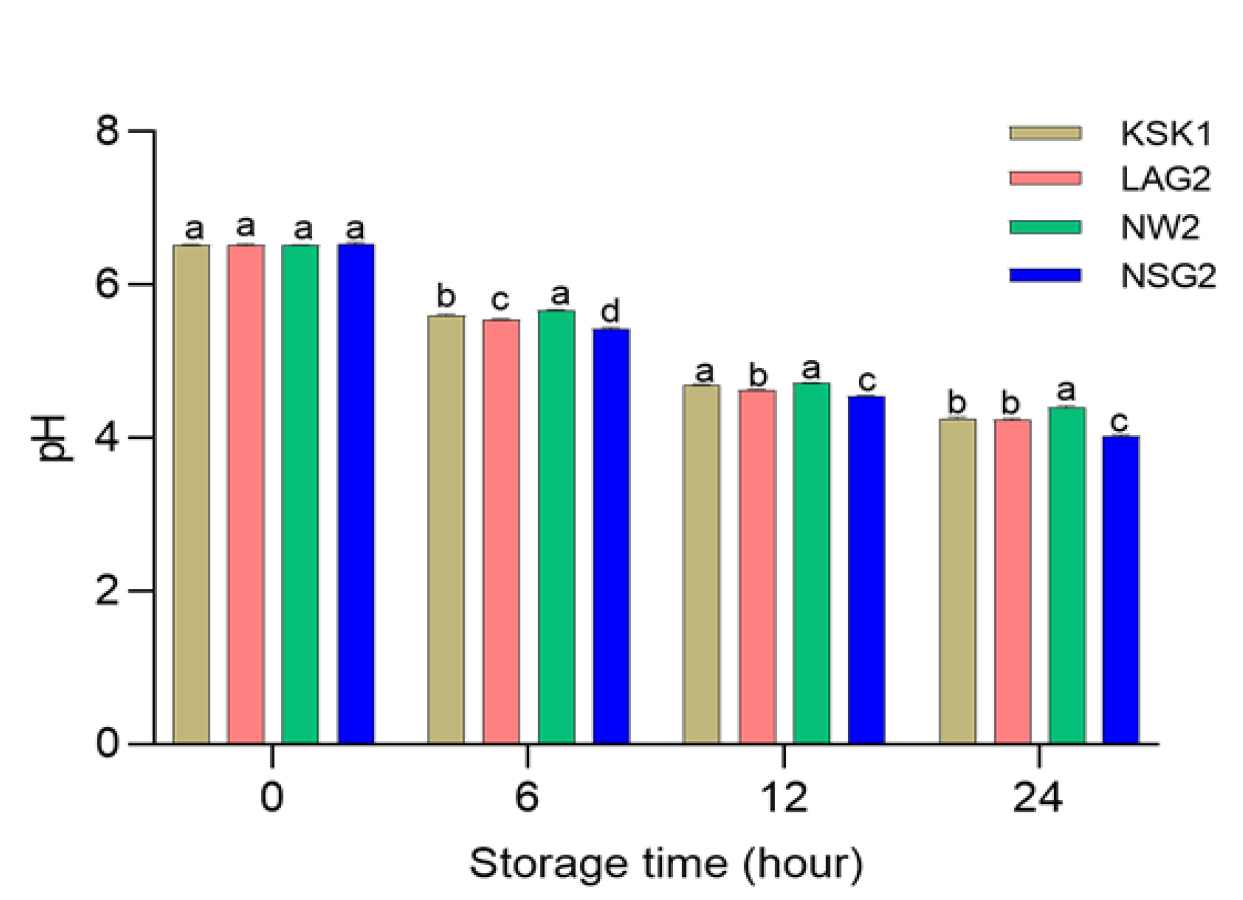
Figure 1.Acidification activity of four selected isolates during 24 hours of storage at 37 °C.The bars show the mean of duplicate values, and error bars represent the standard error. The data analysis showed no significant difference (p< 0.05), while in the subsequent storage times, a significant reduction in pH values was observed (p< 0.05).
Product-based characteristics
Survival of Isolates
The survival of the isolates in yogurt during 28 days of refrigerated storage, are presented in Table 2. After day one, significant differences in the viability of all isolates were observed (p< 0.05). Over the 28-day storage period, major difference in the survival of storage was recorded for KSK1 (0.95 Log CFU/g) followed by control (0.81), NW2 (0.48), and LAG2 (0.30). In contrast, NSG2 survival rate was increased during the storage where the Log CFU/g of the isolate was increased by approximately 0.23 Log CFU/gr.
| Strain | Survival (Mean±SD) * | ||||
|---|---|---|---|---|---|
| Day one | 7th day | 14th day | 21st day | 28th day | |
| KSK1 | 7.97±0.67b | 8.53±0.04c | 8.47±0.03c | 8.08±0.05c | 7.52±0.03d |
| LAG2 | 8.82±0.02a | 9.22±0.01a | 9.13±0.03a | 8.85±0.01b | 8.52±0.02b |
| NW2 | 8.41±0.02ab | 8.93±0.02b | 8.53±0.03bc | 8.11±0.02c | 7.93±0.03c |
| NSG2 | 8.62±0.01ab | 9.22±0.02a | 9.10±0.01a | 8.94±0.01a | 8.85±0.05a |
| Control | 8.34±0.01ab | 8.53±0.03c | 8.57±0.03b | 8.09±0.02c | 7.53±0.02d |
| * Number in each cell represents the mean±SD of duplicate samples. | |||||
| a-d Means with different small scale alphabet superscripts in the same column are significantly different. | |||||
pH and titratable acidity
The results of pH values of yogurt samples produced with different LAB strains during 28 days of refrigerated storage are presented in Figure 2. On day 1, significant differences were observed among all samples (p< 0.05), with pH ranging from 3.93 to 4.11. These highly significant differences persisted on days 7, 14, 21, and 28 of storage (p< 0.01). Although all samples showed a decreasing trend throughout storage, the extent of decrease varied among strains. By day 28, pH values ranged from 3.61 to 3.84 in LAB-fermented samples, while the control sample had higher pH at 3.84.
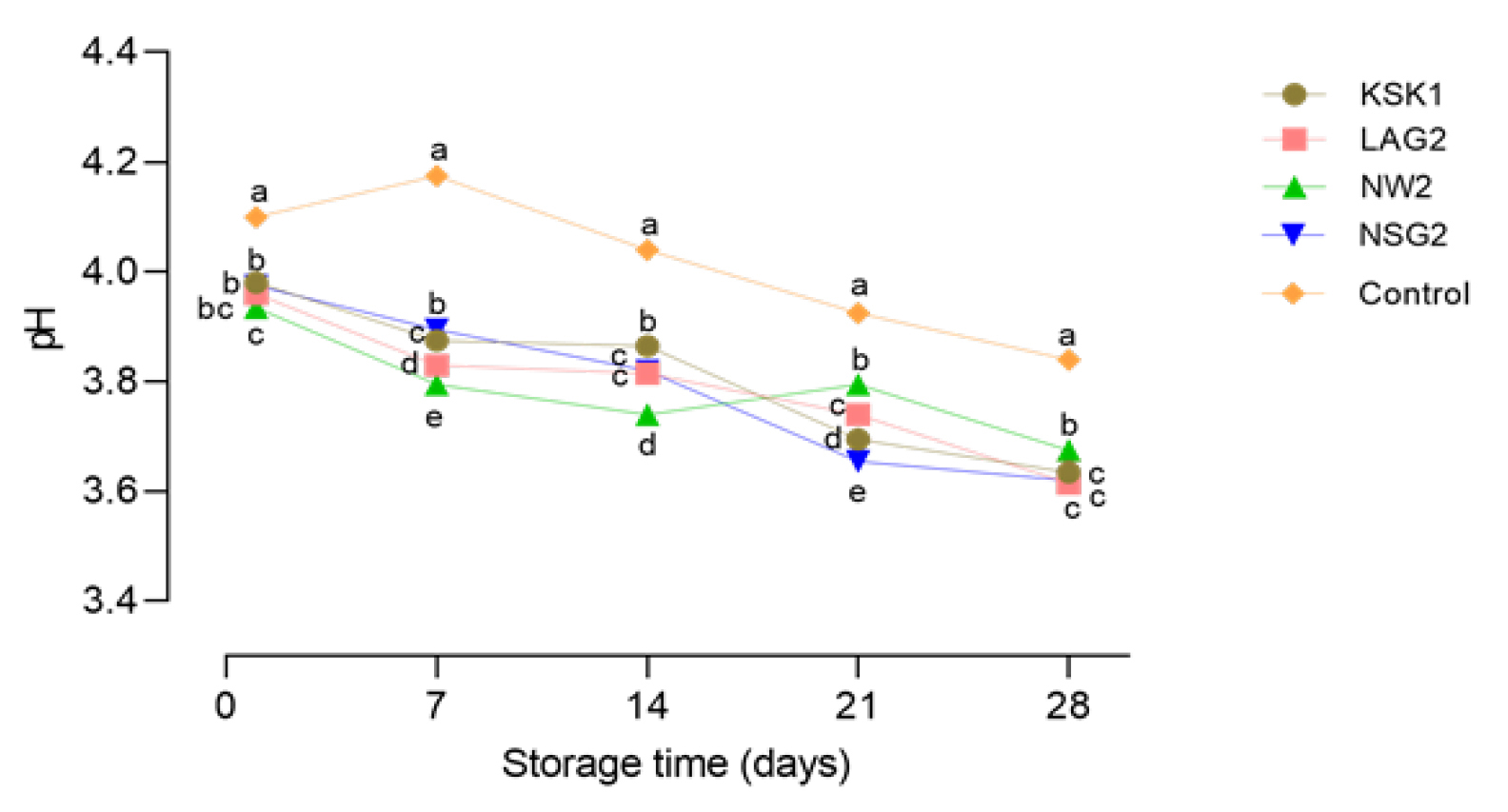
Figure 2.pH values of different yogurt samples during 28 days of refrigerated storage.Each symbol shows the mean of pH value calculated from duplicate samples, while the error bars show the SD. Different small alphabets in the same storage day show significant differences. The results showed significant differences among different types of yogurt in all storage days (p< 0.05).]
Changes in titratable acidity (TA) of yogurt samples produced with different LAB strains over 28 days of refrigerated storage are presented in Figure 2Figure 3. On day 1, titratable acidity values ranged from 0.61 to 0.69% lactic acid, and no significant differences were observed among samples (p> 0.05). During storage, TA increased progressively in all samples, and the difference was statistically significant in all storage days (p< 0.05). On day 7, 14, 21, and 28, TA values ranged from 0.66 to 0.78%, 0.73–0.85%, 0.76–0.92%, and 0.81-0.94% lactic acid, respectively.
Figure 3.Titratable acidity of different yogurt samples during 28 days of refrigerated storage.Each symbol shows the mean of the titratable acidity value calculated from duplicate samples, while the error bars show the SD. Different small alphabets in the same storage day show significant differences. The results showed significant differences among different types of yogurts in all storage days except on day one (p < 0.05).
Dry matter and syneresis
The dry matter content and syneresis of yogurt samples produced with different LAB strains during 28 days of refrigerated storage are presented in Table 3. Dry matter content differed significantly among samples (p< 0.05), ranging from 9.55% to 11.00%. The control sample had the highest dry matter content, while the LAB-fermented samples showed comparable values, with slight variations among strains.
| Strain | Dry matter | Syneresis (Mean ± SD) | ||||
|---|---|---|---|---|---|---|
| Day one | 7th day | 14th day | 21st day | 28th day | ||
| KSK1 | 10.30±0.13b | 14.32±0.32c | 15.27±0.25e | 17.87±0.18c | 20.82±0.32b | 22.05±0.42d |
| LAG2 | 9.55±0.21c | 16.65±0.28b | 17.57±0.25c | 19.42±0.18b | 19.35±0.14c | 20.47±0.32e |
| NW2 | 10.50±0.14b | 14.42±0.32c | 18.17±0.18b | 19.00±0.28b | 20.55±0.28b | 26.72±0.25b |
| NSG2 | 10.25±0.21b | 13.87±0.04c | 16.65±0.14d | 17.95±0.07c | 19.50±0.07c | 23.62±0.18c |
| Control | 11.00±0.10a | 24.05±0.07a | 27.97±0.04a | 32.42±0.25a | 39.20±0.21a | 40.32±0.32a |
| *Number in each cell represents the mean±SD of duplicate samples. | ||||||
| a-e Means with different small scale alphabet superscripts in the same column are significantly different. | ||||||
Syneresis values on day 1 ranged from 13.87% to 24.05%. The control sample exhibited significantly higher syneresis compared to all LAB-fermented yogurts (p< 0.05). Syneresis progressively increased in all samples throughout storage, with significant differences observed among all LAB-fermented yogurts on all storage days. On day 7, syneresis values ranged from 15.27% to 27.97%. By day 14 and day 21, these values further increased to 17.87–32.42% and 19.35–39.20%, respectively. By day 28, syneresis values in LAB-fermented samples ranged from 20.47% to 26.72%, while the control sample exhibited the highest syneresis at 40.32%.
The dry matter content and syneresis of yogurt samples produced with different LAB strains during 28 days of refrigerated storage are presented in Table 3. Dry matter content differed significantly among samples (p< 0.05), ranging from 9.55% to 11.00%. The control sample had the highest dry matter content, while the LAB-fermented samples showed comparable values, with slight variations among strains.
Syneresis values on day 1 ranged from 13.87% to 24.05%. The control sample exhibited significantly higher syneresis compared to all LAB-fermented yogurts (p< 0.05). Syneresis progressively increased in all samples throughout storage, with significant differences observed among all LAB-fermented yogurts on all storage days. On day 7, syneresis values ranged from 15.27% to 27.97%. By day 14 and day 21, these values further increased to 17.87–32.42% and 19.35–39.20%, respectively. By day 28, syneresis values in LAB-fermented samples ranged from 20.47% to 26.72%, while the control sample exhibited the highest syneresis at 40.32%.
Coagulation activity
The results of the coagulation activity of yogurt samples produced with different LAB strains are presented in Table 4. Differences in coagulation time were observed among the strains. LAG2 and NSG2 exhibited rapid coagulation, occurring within 4 - 6 hours of incubation at 42 °C. KSK1 and the control sample showed intermediate coagulation activity, with coagulation observed between 6 and 12 hours. In contrast, NW2 displayed slow coagulation, requiring more than 12 hours to coagulate under the same conditions.
| Strain | Coagulation* |
|---|---|
| KSK1 | Intermediate |
| LAG2 | Rapid |
| NW2 | Slow |
| NSG2 | Rapid |
| Control | Intermediate |
| *Rapid: 4-6 hours, Intermediate: 6-12 hours, and Slow: more than 12 hours. | |
Texture profile analysis
The findings of texture profile characteristics of yogurt samples fermented with different LAB strains are presented in Figure 4. With the exception of stiffness (p> 0.05), all other evaluated parameters showed significant differences among the strains (p< 0.05). Hardness ranged from 0.67 to 0.98 N, with higher values observed in yogurts produced with LAG2. Cohesiveness values ranged from 0.39 to 0.69, with relatively higher cohesiveness observed in the control sample (0.69) compared to most LAB-fermented samples. Springiness values were generally similar across samples, ranging from 11.01 to 14.57 mm, though yogurts fermented with LAG2 displayed higher springiness (14.57 mm) compared to the other strains. Gumminess values ranged between 0.62 and 0.72 N. Chewiness (expressed as energy) ranged from 4.88 to 5.63 mJ across all samples. Adhesiveness values ranged from 1.56 to 2.96 mJ, with higher adhesiveness observed in yogurts produced with NW2. Stiffness values, expressed as N/mm, ranged from 0.061 to 0.071.
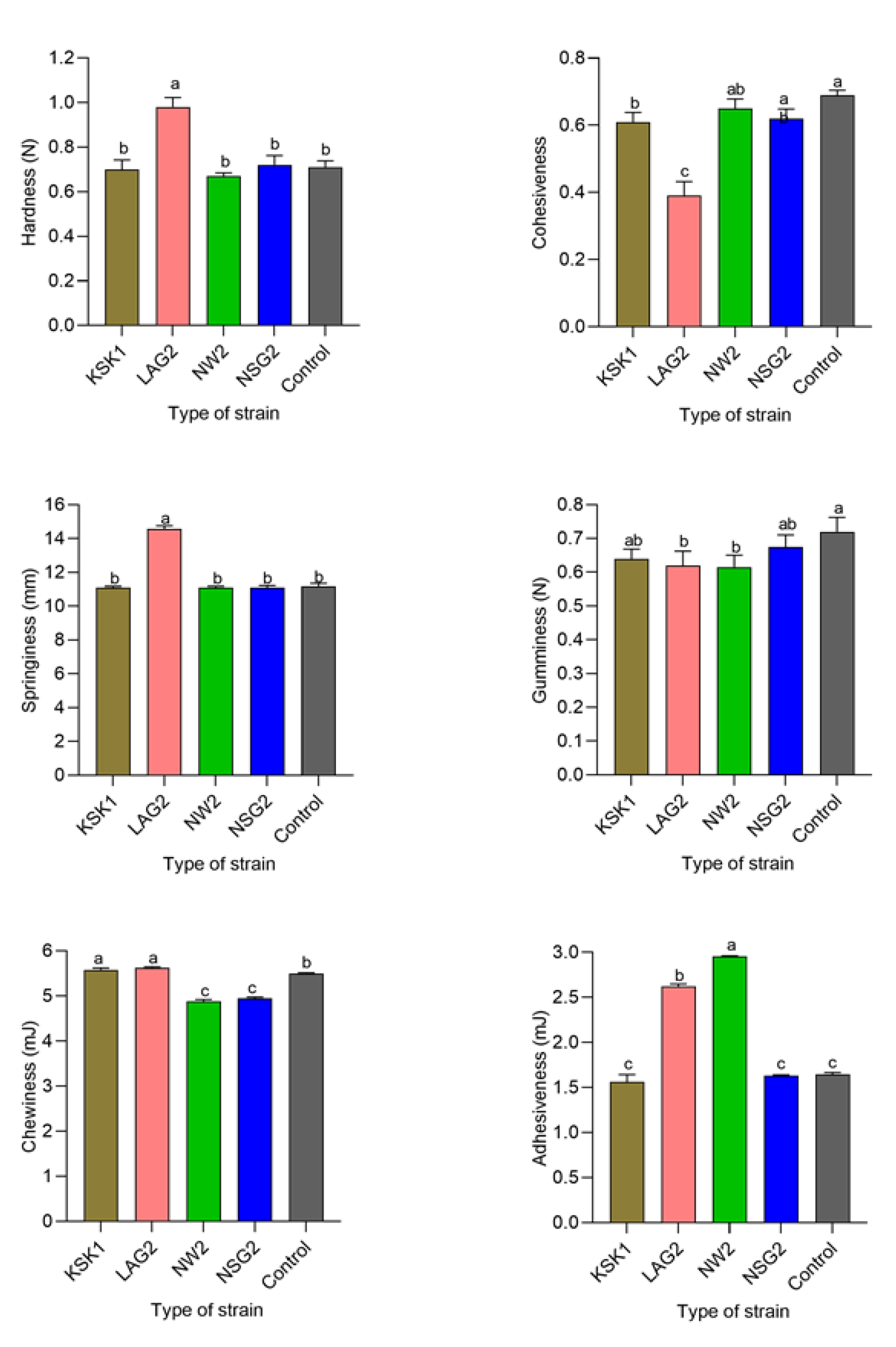
Figure 4.Texture profile of yogurt samples produced with the isolates. Figure 4 shows the Bars show the mean of two samples, while error bars depict the SD. Bars with different small alphabets are significantly different from each other. The results showed that all the parameters of texture profile of the yogurt samples were significantly different with each other (p < 0.05) except stiffness of the yogurt samples (p > 0.05)]
Sensory evaluation
The sensory evaluation of the produced yogurts by the expert panel on day 7 is depicted in Figure 5. Sensory score for different attributes of the samples ranged from 1 to 7.3. NSG2 had the highest score for overall aroma intensity (6.5). For other Aroma attributes, scores were below the medium score (5) except for the fragrant attribute, where KSK1 scored highest (6.4) and NW2 lowest (4.5). Regarding texture characteristics, the high score for uniformity was reported for NSG2 (7.2), while NW2 scored lowest (4.9). Syneresis was reported with low scores for Control and LAG2 samples at 3. Ropiness was higher for NSG2 (6.6) and lower for NW2 and LAG2 (2.7). NSG2 also scored highest for overall flavor intensity (7.3), followed by LAG2 (7), KSK1 (6.1), control (5.4), and NW2 (4.3). The majority of other flavor related attributes were below the medium score (5). In terms of mouthfeel, the creamy attribute received the highest scores, with NSG2 scoring highest (6.1) and control sample lowest (3).
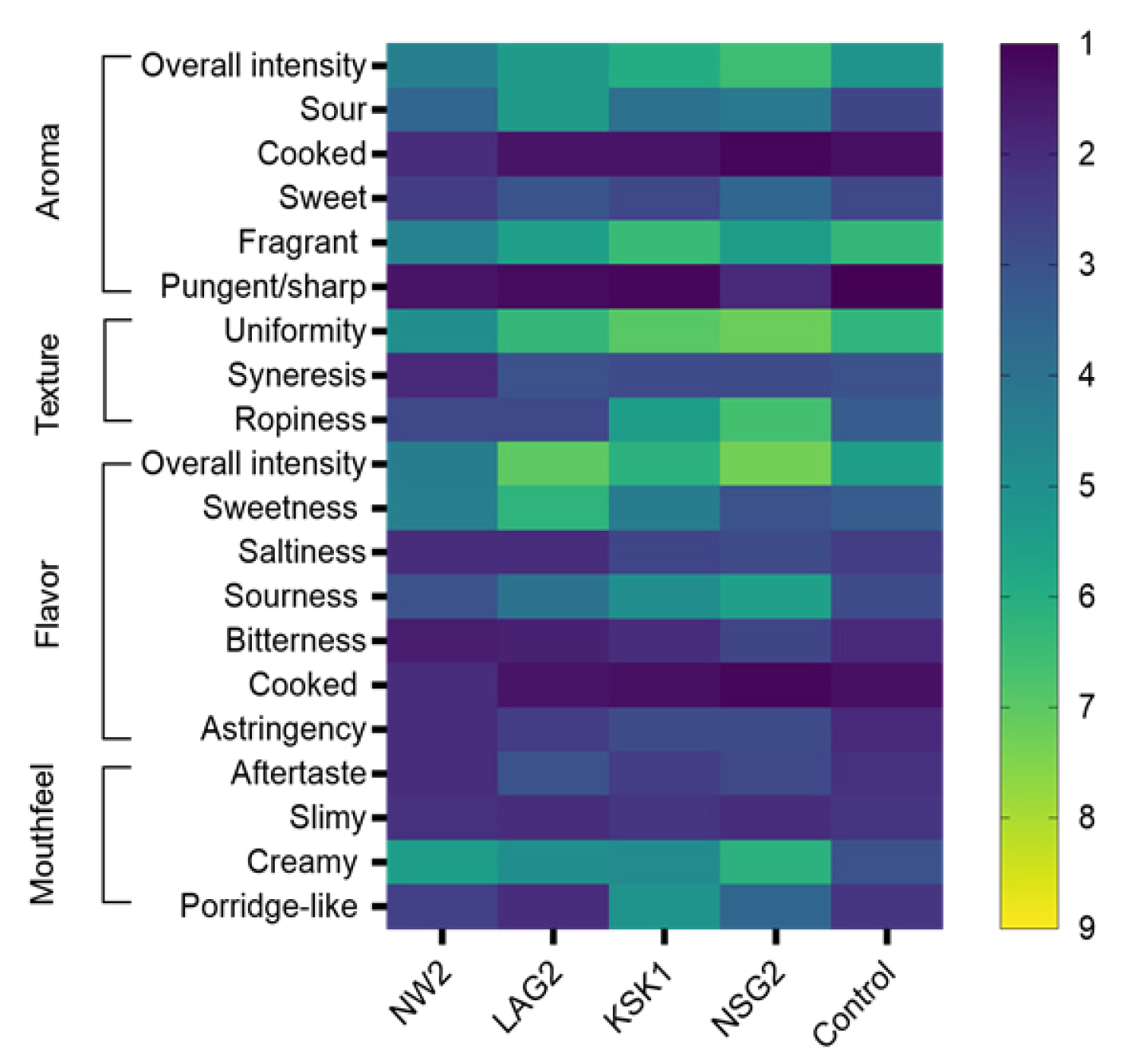
Figure 5.Heatmap of the sensory evaluation scores by expert panel of the produced yogurt samples. Score for each attribute is the mean of 10 expert panel.
Principal Component Analysis (PCA) of the sensory attributes is illustrated in Figure 6. High variability (75.87%) is reported by both principal components (PC). The projection of attributes onto the factor plane indicated that, cooked and sweet flavors, cooked aroma, and slimy mouthfeel negatively influenced PC 1. Conversely, other aroma, texture, taste, and mouthfeel descriptors positively effected PC 1. On the other hand, PC 2 was positively influenced by sour, sweet, pungent, and cooked aroma, cream mouthfeel, and sweet, cooked, aftertaste, astringency, and overall intensity flavor descriptors are reported. Conversely, PC 2 was negatively influenced by mouthfeel (slimy, porridge like), aroma (fragrant, and overall intensity), flavor (bitterness and saltiness), and texture descriptors (ropiness, uniformity, and syneresis).
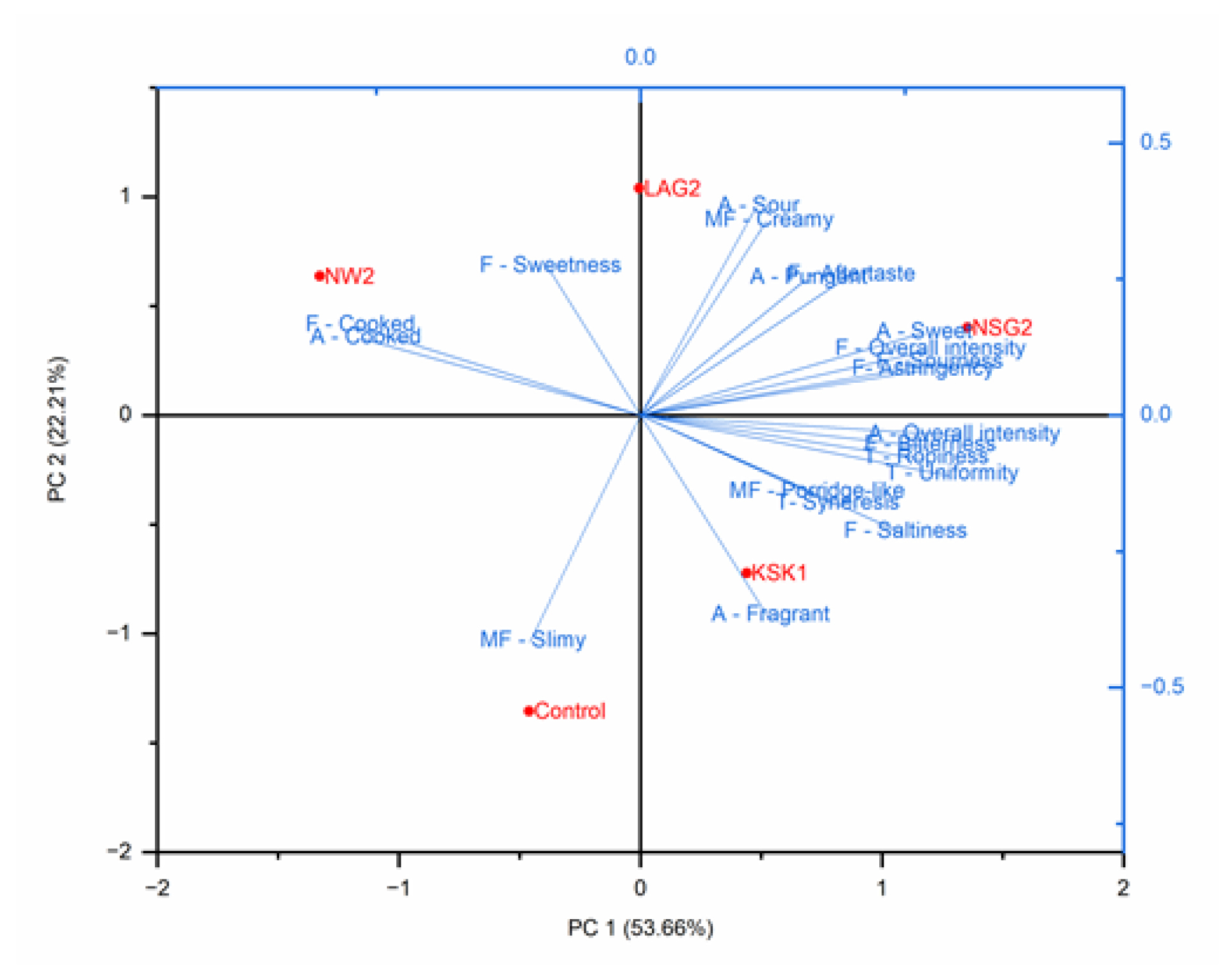
Figure 6.PCA biplot for the distribution of different yogurt samples and its correlation with the sensory attributes.
The PCA correlation analysis revealed a clear separation between control and treatment groups, although the distinction between LAG2 and NSG2 was not evident. LAG2 and NSG2 were characterized by sour, pungent, and sweet aroma, creamy mouthfeel, sourness, astringency, aftertaste, and overall intensity flavor descriptors. On the other hand, KSK1 was associated with texture attributes (ropiness, uniformity, and syneresis), aroma (fragrant and overall intensity), flavor (saltiness and bitterness), and mouthfeel (porridge-like). NW2 was characterized by high intensities of cooked aroma and sweet and cooked flavor. The control sample was solely intensified in slimy mouthfeel.
Consumer panel sensory evaluation scores obtained from 30-members are presented in Figure 7. NSG2 received the highest mean scores for flavor (7.35), texture (7.20), and overall acceptance of 7.15. KSK1 followed with the second-highest ratings, particularly for aroma (6.70) and texture (6.90), achieving an overall acceptance of 6.55. The control sample exhibited intermediate values with an overall acceptance of 6.40, while NW2 and LAG2 recorded the lowest scores across all attributes, both achieving an overall acceptance of 6.10.
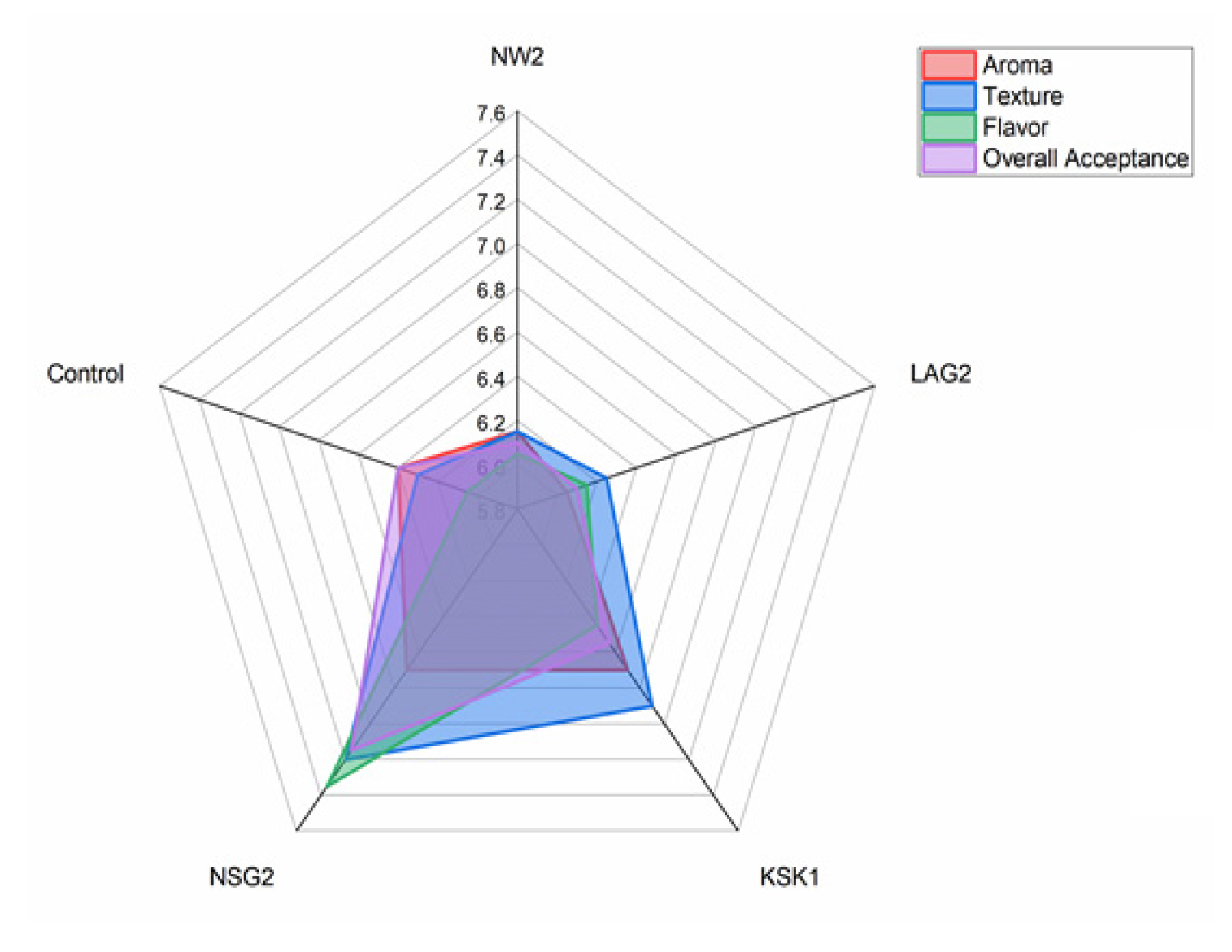
Figure 7.Spider plot of sensory evaluation of the produced yogurt samples by consumers.
Discussion
The present study aimed to assess the technological and sensory attributes of yogurt produced using indigenous LAB strains isolated from traditional Afghan yogurt. Notably, the study highlights the novelty of Afghan traditional yogurt as an underexplored source of indigenous LAB, demonstrating strain-specific performance in both technological and sensory aspects. The results clearly indicate that the selection of starter culture significantly impacts fermentation performance, physical stability, texture, and sensory quality. All tested strains exhibited positive amylolytic activity. However, EPS production varied influenced by the specific strain and the carbohydrate source utilized. Regarding fermentation dynamics, the NSG2 exhibited the most rapid acidification and maintained lower pH values during refrigerated storage, whereas titratable acidity showed a progressive increase across all samples. In terms of physical stability, yogurt produced with indigenous strains generally exhibited lower syneresis compared to the control. Coagulation times varied significantly, with LAG2 and NSG2 displaying faster activity than NW2. Texture profile analysis revealed significant variations in most parameters, with the exception of stiffness. Ultimately, sensory evaluation conducted by the expert and consumer panels revealed that yogurt produced with indigenous LAB strains offered superior quality attributes compared to the control sample.
The production of organic acids, predominantly lactic acid, by starter cultures is the primary outcome product of yogurt fermentation. This process acidifies the milk matrix, initiating milk coagulation and the formation of the yogurt gel [ 11 - 13 ]. Consequently, these changes are typically observed as an increase in titratable acidity and a decrease in pH over time. These acidification processes are strongly strain-dependent and influence coagulation kinetics and product quality [ 6 , 8 ]. The results of the present study align with this established phenomenon, demonstrating that the indigenous LAB isolated from Afghan yogurts possess distinct acidification capacities. Notably, NSG2 showed the highest acidification activity compared with the control and the other isolates, which corresponded to shorter coagulation times. Conversely, the NW2 strain showed slower fermentation kinetics. Ziarno et al. [ 8 ] similarly reported that the acid production is strain-dependent. In their study, samples supplemented with L. plantarum 299v and L. acidophilus La-5 reached the the lowest pH levels. Furthermore, Li et al. [ 14 ] observed a strain-dependent pH decline in soy yogurt samples, where L. acidophilus N4 rapidly reached the terminal fermentation point (pH 4.6) within 240 minutes, while other strains required between 260 and 280 minutes.
Syneresis, commonly known as whey separation, is a key quality defect that negatively affects consumer acceptance. This defect is linked to the gel's water-holding capacity and the structural integrity of the protein network [ 15 , 16 ]. This defect is highly strain-dependent, and studies reported the different intensities for different yogurt types produced with different LAB [ 17 , 18 ]. In the present study, syneresis progressively increased in all yogurt samples during the 28-day storage period. However, yogurts produced with the indigenous LAB strains exhibited significantly lower syneresis compared to the control. Notably, the control sample, despite having the most pronounced dry matter content, showed the greatest syneresis by the end of the storage period. In contrast, yogurts fermented with indigenous strains demonstrated improved physical stability. This enhanced stability may be attributed to factors such as EPS production (e.g., KSK1) and the formation of a more compact gel structure (e.g., NSG2). These findings align with previous research indicating that EPS production by LAB contributes to reduced syneresis and enhanced textural stability in yogurt systems [ 19 ]. Additionally, strain-dependent differences in gel structure and whey separation during storage are well documented. For instance, one study reported lower syneresis in yogurt containing Lactobacillus rhamnosus and Lactobacillus paracasei compared to the control group [ 20 ].
Texture profile analysis provides an objective characterization of yogurt's structural integrity through the measurement of mechanical properties associated with gel formation [ 7 ]. In the present study, most texture parameters differed significantly among yogurt samples, with the exception of stiffness, which remained comparable. Yogurts fermented with different strains showed distinct textural profiles, with LAG2 producing a firmer/more elastic gel and NW2 showing higher adhesiveness. These findings confirm the strain-dependent nature of structure formation. Comparable strain-related variations in yogurt texture have been reported previously, where differences in texture profile were linked to the LAB strains. Ili´c et al. [ 7 ] reported that the addition of selected probiotic strains alongside commercial starters increased firmness and related texture indices compared to other formulations. In addition, EPS production also affects the rheological, sensory, and texture properties of foods, including yogurt [ 20 , 21 ]. In the present study, LAG2 strain, which produced EPS from lactose, demonstrated good hardness. This observation is supported by research from Ozturkoglu-Budak et al. [ 22 ] and Tiwari et al. [ 23 ] who reported that Bifidobacterium spp. can produce EPS, thereby enhancing yogurt firmness. Tabrizi et al. [ 19 ] also reported that EPS producing LAB significantly increased the yogurt firmness throughout the storage compared to the control group using non-EPS producing LAB. Similarly, Wu et al. [ 18 ] also reported that Leuconostoc mesenteroides RSG7, an EPS producer, improved the textural properties, including hardness, cohesiveness, gumminess, chewiness, springiness, and adhesiveness compared to the control group. From an industrial standpoint, strains that enhance firmness and reduce whey separation may help decrease reliance on stabilizers and support cleaner-label yogurt formulations.
Sensory properties are among the required qualities of yogurt, serving as a reflection of the interplay between fermentation processes, matrix structure, and metabolite formation as perceived by consumers [ 24 , 25 ]. In the present study, sensory evaluation conducted by a trained and consumer panel showed distinct strain-dependent differences in aroma, texture, flavor, and mouthfeel attributes. Notably, yogurt produced with NSG2 consistently exhibited higher intensities for key positive attributes, including overall aroma intensity, uniformity, ropiness, creamy mouthfeel, and overall flavor intensity. In contrast, NW2 was associated with lower sensory scores and was characterized by undesirable cooked-related aroma and flavor notes. The control sample was mainly characterized by slimy mouthfeel and lower overall sensory intensity. PCA supported these findings, effectively separating the control from LAB-fermented yogurts and indicating distinct sensory drivers associated with each strains. These findings are consistent with previous research demonstrating that LAB strains differ significantly in their capacity to modulate yogurt sensory characteristics through strain-specific metabolic activity and structural interactions within the gel matrix [ 26 ]. In addition, Lestari et al. [ 27 ] also reported that the incorporating of probiotic LAB not only improved microbial quality but also maintained sensory acceptability comparable to control yogurt. These sensory outcomes indicate that indeginous LAB, particularly NSG2, represent promising candidate culture for producing consumer-acceptable yogurt with desirable aroma and mouthfeel profiles.
In conclusion, all LAB strains showed good performance in terms of technological and sensory properties. All strains exhibited positive amylolytic activity, produced EPS from all or some carbohydrates, maintained viability during 28 days of refrigerated storage, displayed favorable acidification activities, and sensory properties compared to the control group. Among the indigenous LAB, NSG2 (Pediococcus acidilactici) was the superior candidate. It exhibited excellent acidifying activity, coagulation, and textural profile. These characteristics collectively improved the sensory attributes of the yogurt. These findings support the practical potential of these Afghan indigenous strains as starter or adjunct cultures for industrial yogurt manufacture.
Declaration of AI use
During writing this manuscript the author(s) used AI tools to check spelling, and grammar of the content where needed. After using these tools, the author(s) reviewed and take full responsibility for the content.
Study design
This study evaluated the technological and sensory characteristics of four LAB strains isolated from traditional yogurt produced in Eastern Afghanistan (Table 5). The isolates were stored at −18 °C and reactivated prior to analysis. Assessments were conducted at two levels: (i) direct strain-based tests performed on the LAB isolates, and (ii) product-based tests involving the manufacture of yogurt using each isolate as a single-strain starter culture.
| # | LAB strain | Accession # | Province of yoghurt sample | District of yoghurt sample | Code of sample |
|---|---|---|---|---|---|
| 1 | Lactiplantibacillus Plantarum H12 | OQ096590.1 | Kunar | Sarkani | KSK1 |
| 2 | Lactobacillus brevis KLDS 1.0727 | EU626012.1 | Laghman | Alingar | LAG2 |
| 3 | Pediococcus acidilactici HBUAS56306 | MZ959430.1 | Nangarhar | Spinghar | NSG2 |
| 4 | Lactiplantibacillus plantarum NWAFU1559 | MG551236.1 | Nuristan | Wama | NW2 |
Technological and sensory attributes
The evaluation of technological properties includes two types of tests namely strain-based test which included amylolytic activity, qualitative test of exopolysaccharide production [ 28 ], acidification capacity [ 29 ], and product-based tests which included pH, titratable acidity, syneresis, dry matter [ 29 ], coagulation activity, texture profile analysis (hardness, springiness, consistency, and gumminess index) [ 30 ], and sensory analysis of the isolates. In addition, the survival of selected isolates was monitored over during 28-day refrigerated storage period [ 29 ]. All the tests were conducted in duplicate fashion. The protocols for each test are briefly described as follows:
Strain-based examinations
Amylolytic activity
The overnight culture of selected isolates of LAB in MRS medium was surface-cultured onto plates containing modified MRS agar (MRS medium without glucose but with 0.25% starch). The plates were incubated at 37°C for 48 to 72 hours. Then, a warm iodine solution was p added to the plates as a detection agent. The presence of clear halo zones surrounding the colonies indicated positive α-amylase activity.
Qualitative detection of exopolysaccharide production
For the detection of EPS, the overnight culture of the isolated LAB strains was streaked onto MRS agar supplemented with 20 g/L sugar (glucose, fructose, sucrose, or lactose). Plates then were incubated at 37°C for 36 to 48 hours. The formation of slimy colonies by the LAB isolates on the sugar-containing media was indicative of EPS production. The "Ropy" character of the colonies was also assessed by pulling the colonies with an inoculating loop.
Acidification capacity
The acidification capacity of the selected LAB strains was assessed by inoculating 1% (v/v) of the overnight culture in MRS broth of each LAB into 10 mL of reconstituted skim milk at 37°C. The pH values were measured at the beginning of incubation (0 hours), and subsequently at 6, 12, and 24 hours with a digital pH meter.
Product (yogurt)-based examinations
Yogurt production
Yogurt was prepared using commercial pasteurized whole cow's milk (Pegah, Iran). The milk was homogenized, heat-treated at 95 °C for 15 min, and then cooled to 42 °C. Selected LAB isolates were activated according to the procedure described by Faraki et al. [ 31 ]. Briefly, overnight cultures grown in MRS broth were harvested, washed twice with sterile physiological saline, and resuspended in 2 mL saline. The cell suspension was adjusted to a final concentration of 10⁹ CFU/mL and inoculated into the milk at a rate of 2% (v/v). Inoculated samples were incubated at 42 °C until coagulation (indicated by a pH of 4.6). Post coagulation, the samples were stored at 4 °C for 28 days.
Survival of the isolates
The viability of the inoculated LAB during storage was monitored from day zero to day 28. To determine viability, one gram of yogurt accurately weighed and diluted in 9 mL of 0.1% (w/v) peptone water. Then, serial dilutions were performed as necessary. Subsequently, 0.1 mL of the dilutions were plated on MRS agar. The plates were incubated at 37 °C for 48-72 hours under anaerobic conditions. The number of LAB was reported as CFU/g.
pH and titratable Acidity
The pH of the prepared yogurt samples was measured using a digital pH meter. TA was measured using the titration method with 0.1 N sodium hydroxide and phenolphthalein as an indicator. TA was reported as a percentage of lactic acid, which was calculated through the following formulae:
Titratable Acidity (% Lactic acid)=(Volume (mL) NaOH*Normality of NaOH*lacit acid equivalent)/(Volume of sample used (mL))
Syneresis
To determine syneresis, 5 g of yogurt was centrifuged at 5000 rpm for 20 minutes at 4°C and the separated whey was weighed. The following equation was used to calculate the syneresis:
Dry matter
The dry matter of yogurt samples was determined using the gravimetric method, and the results were reported as a percentage (w/v).
Coagulation activity
Coagulation activity was assessed based on the time required for milk to coagulate at 42°C after incubation. Strains were categorized as: (i). Rapid. Coagulation within 4-6 hours, (ii). Intermediate. Coagulation between 6-12 hours, (iii). Slow. Coagulation taking longer than 12 hours.
Texture profile analysis
Texture analysis of the prepared yogurt samples was performed using a texture analyzer (Brookfield CT3, USA) according to the manufacturer's standard protocols. Hardness (N), cohesiveness, springiness (mm), gumminess (N), chewiness (mJ), adhesiveness (mJ), and stiffness (N/mm)., were measured for texture analysis. The texture characteristics of the samples were determined on day 7 at 4 ± 2°C without removing the samples from their containers, weighing 150 g. In this test, a cylindrical probe (with a smooth cross-section of 25.5 mm in diameter, a speed of 1 mm/s, and a penetration depth of 15 mm) was used in the yogurt sample immediately after the samples were removed from 4°C [ 32, 33].
Sensory evaluation
Sensory evaluation of the yogurt samples was conducted on day 7 of refrigerated storage. The evaluation undertaken in a separated room under room temperature and adequate lighting. An expert panel (n = 10), comprising PhD students and lecturers experienced in yogurt sensory assessment from the food hygiene and aquaculture department, performed quantitative descriptive sensory analysis. This panel received two days of training on the definitions of the descriptors and score scale. The expert panel used a 9-point structured intensity scale (1 = very weak/low intensity; 9 = very strong/high intensity) to evaluate predefined sensory attributes encompassing aroma, texture, flavor, and mouthfeel descriptors (Table 6). In parallel, a consumer panel (n = 30) evaluated yogurt acceptability on day 7 using the 9-point hedonic scale (1 = dislike extremely; 9 = like extremely) for the aroma, texture, flavor, and overall acceptability of the yogurt samples. Scores from both panels were recorded on evaluation forms and compiled for statistical analysis.
| Category of sensory attribute | Descriptor | Operational definition for scoring |
|---|---|---|
| Aroma | Overall intensity | Overall strength of the yoghurt smell |
| Sour | Intensity of acidic/fermented sour smell. | |
| Cooked | Intensity of cooked/heat-treated milk odor note. | |
| Sweet | Intensity of sweet-smelling note (aroma-associated sweetness). | |
| Fragrant | Intensity of pleasant aromatic/fragrant smell. | |
| Pungent | Intensity of sharp/pungent odor. | |
| Texture | Uniformity | Degree of structural evenness (smooth, consistent gel; low graininess/lumps). |
| Syneresis | Degree of visible whey release/separation. | |
| Stretchiness | Degree of stringy/ropy behavior when handled or stirred. | |
| Flavor | Overall intensity | Overall strength of flavor perception. |
| Sweetness | Intensity of sweet taste. | |
| Saltiness | Intensity of salty taste. | |
| Sourness | Intensity of sour/acid taste. | |
| Bitterness | Intensity of bitter taste. | |
| Cooked | Intensity of cooked/heat-treated flavour note in the mouth. | |
| Astringency | Intensity of drying/puckering sensation in the mouth. | |
| Aftertaste | Intensity/persistence of taste after swallowing. | |
| Mouthfeel | Slimy | Intensity of slippery/mucilaginous mouth-coating sensation. |
| Creamy | Intensity of creamy/rich smooth mouthfeel. | |
| Porridge-like | Intensity of thick/pasty "porridge-like" mouthfeel impression. |
Statistical analysis
The collected data was analyzed using SPSS statistical software (Version 23, IBM Corp, Armonk, NY, USA). One-way Analysis of Variance (ANOVA) was used to compare the means among different groups. Duncan's Multiple Comparison Test (MCT) was used for post-hoc analysis to identify specific differences between group means. All the numerical variables were reported as mean ± Standard Deviation (SD). To visualize the data for some variables, GraphpadPrism 9.2 (Version 9.2, GraphPad Software, San Diego, CA, USA) and OriginPro (Version 2024, OriginLab Corporation, Northampton, MA, USA) software was used. A p-value less than 0.05 (p< 0.05) was considered as statistically significant.
Authors' Contributions
F.H. and A.A. conceived and planned the experiments. F.H. and A.A. carried out the experiments. F.H. and A.A. contributed to sample preparation. A.A. contributed to the interpretation of the results. A.A. took the lead in writing the manuscript. Both authors contributed to the first draft, revising.
Acknowledgements
We would like to thank the TUMS Cancer Institute for preparing the immunohistochemical sections.
Conflict of interest
The authors declare that there is no conflict of interest.
Abbreviations-Cont'd
MCT: Multiple Comparison Test
MRS: de Man-Rogasa-Sharpe
PC: Principal Component
PCA: Principal Component Analysis
TA:Titratable Acidity
References
- Weerathilake W, Rasika D, Ruwanmali J, Munasinghe M. The evolution, processing, varieties and health benefits of yoghurt. International Journal of Scientific and Research Publications. 2014;4(4):1-10. ISSN 2250-3153.
- Hadjimbei E, Botsaris G, Chrysostomou S. Beneficial effects of yoghurts and probiotic fermented milks and their functional food potential. Foods. 2022;11(17):2691.DOI
- Alimentarius C. STANDARD FOR FERMENTED MILKS CXS 243-2003. Rome, Italy: Codex Alimentarius; 2018.
- Freitas M. The benefits of yoghurt, cultures, and fermentation. The microbiota in gastrointestinal pathophysiology: Elsevier. 2017. p. 209-23.DOI
- Shangpliang H, Sharma S, Rai R, Tamang JP. Some technological properties of lactic acid bacteria isolated from Dahi and Datshi, naturally fermented milk products of Bhutan. Frontiers in Microbiology. 2017;8:116.DOI
- Hoxha R, Evstatieva Y, Nikolova D. Physicochemical, Rheological, and Sensory Characteristics of Yogurt Fermented by Lactic Acid Bacteria with Probiotic Potential and Bioprotective Properties. foods. 2023;12(2552):1-15.DOI
- Ili´c N, Belovi´c M, Memiši N, Pestori´c M, Škrobot D, Pezo L, et al. Rheological Properties and Sensory Profile of Yoghurt Produced with Novel Combination of Probiotic Cultures. Foods. 2024;13(3021):1-17.DOI
- Ziarno M, Zar˛eba D, Kowalska E, Florowski T. A Study into the Effects of Chosen Lactic Acid Bacteria Cultures on the Quality Characteristics of Fermented Dairy, Dairy–Oat, and Oat Beverages. Applied Sciences 2025;15(3714):1-20.DOI
- Kakabadze E, Zago M, Rossetti L, Bonvini B, Tidona F, Carminati D, et al. Characterisation of lactic acid bacteria isolated from the Georgian, yoghurt-like Matsoni. International Journal of Dairy Technology. 2019;72(3):373-80.DOI
- İspirli H, Dertli E. Isolation and identification of exopolysaccharide producer lactic acid bacteria from Turkish yogurt. Journal of Food Processing and Preservation. 2018;42(1):e13351.DOI
- Danielyan DV, Hovhannisyan HG, Baghdasaryan LG, Barseghyan AH. New generation of functional yogurts fermented with probiotic lactic acid bacteria isolated from human milk. Functional Foods in Health and Disease. 2024;14(4):232-47.DOI
- Ayivi RD, Ibrahim SA. Lactic acid bacteria: an essential probitic and starter culture for the production of yoghurt. International Journal of Food Science and Technology 2022;57:7008-25.DOI
- Kwasi Kpodo FM, Afoakwa EO, Amoa BB, Budu AS, Saalia FK. Effect of ingredient variation on microbial acidification, susceptibility to syneresis, water holding capacity and viscosity of soy-peanut-cow milk yoghurt. Journal of Nutrition Health Food Engineering 2014;1:74-9.DOI
- Li S, Hu M, Wei W, Zhang P, Yu W, Fan B, et al. Effects of different strains on quality characteristics of soy yoghurt: Physicochemical, nutritional, safety features, sensory, and formation mechanism. Food Chemistry 2024;22.DOI
- Ragab ES, Zhang S, Korma SA, Buniowska-Olejnik M, Nasser SAA, Esatbeyoglu T, et al. Physicochemical and Rheological Properties of Stirred Yoghurt during Storage Induced from High-Intensity Thermosonicated Goat and Cow Milk. Fermentation 2023;9(42):1-15.DOI
- Libberecht S, Ristevska M, Gibis M, Loeffler M. Potential of Homopolysaccharide Producing Starter Cultures in the Fermentation of Coconut Yoghurt Alternatives Enriched with Pea Protein Isolate. Foods. 2025;15(48):1-21.DOI
- Anwar A, Faiz MA, Badar IH, Jaspal MH, Hou J. Influence of Fermentation Time and Storage Conditions on the Physicochemical Properties of Different Yogurt Varieties Using Starter Cultures and Probiotic Lactobacillus rhamnosus GG. Processes. 2025;13.DOI
- Wu B, Guo Y, Hao L, Zuo K, Du Y, An R, et al. The Effects of Leuconostoc mesenteroides RSG7 Exopolysaccharide on the Physicochemical Properties and Flavor Compounds of Set Yoghurt. Processes. 2025;13.DOI
- Tabrizi P, Hesari J, Ghanbarzadeh B, Azadmard Damirchi S, Ghiasi Far S. Rheological and sensory properties and syneresis of set yogurt produced with exopolysaccharide producing starter culture YF-L811. Food Technology 2013;22(4).DOI
- Karami M, Shahrokhi S. Comparision between Physico-Chemical, Microbiological and Reological Properties of Yoghurt Containing Lb. rhamnosus and Lb. paracasei with Convential Yoghurt Samples during the shelflife. Applied Microbiology in Food Science 2016;2(4).DOI
- Bibi A, Xiong Y, M.S.R R, Mehwish HM, Radicetti E, Umair M, et al. Rheological and sensory properties and syneresis of set yogurt produced with exopolysaccharide producing starter culture YF-L811. Sustainability 2021;13:1-19.DOI
- Tiwari S, Kavitake D, Devi PB, Shetty PH. Bacterial exopolysaccharides for improvement of technological, functional and rheological properties of yoghurt. International Journal of Biological Macromolecules 2021;183:1585–95.DOI
- Ozturkoglu-Budak S, Akal HC, Buran I, Yeti¸semiyen A. Effect of inulin polymerization degree on various properties of synbiotic fermented milk including Lactobacillus acidophilus La-5 and Bifidobacterium animalis Bb-12. Journal of Dairy Science 2019;102:6901–13.DOI
- Yilmaz-Ersan L, Kurdal E. The Production of Set-Type-Bio-Yoghurt with Commercial Probiotic Culture. International Journal of Chemical Engineering and Applications. 2014;5(5).DOI
- Ali MA, Shahein MR, Metwally MM, Embark HA. Physicochemical, Sensory and Microbiological Characteristics of Yoghurt Produced from Cow's Milk Supplemented with Aloe vera Extract during Cooled Storage. World Journal of Dairy& Food Sciences. 2019;14(1):108-17.DOI
- Chen C, Shanshan Zhao, Guangfei Hao, Haiyan Yu, Huaixiang Tian, Guozhong Zhao. Role of lactic acid bacteria on the yogurt flavour: A review. International Journal of Food Properties. 2017;20(S1):S316–S30.DOI
- Lestari LA, Nuriannisa F, Yuliani K, Ratnasari D, Farida IN, Azizah EF. Sensory and microbiological evaluation of probiotic yoghurt made with different types of probiotic cultures starter Lactobacillus acidophilus LA-5® and Bifidobacterium animalis subsp. lactis BB-12. Food Research. 2022;6(2):188.DOI
- Meena KK, Taneja NK, Jain D, Ojha A, Kumawat D, Mishra V. In Vitro Assessment of Probiotic and Technological Properties of Lactic Acid Bacteria Isolated from Indigenously Fermented Cereal-Based Food Products. Fermentation. 2022;8(10):529.DOI
- Kılıç EE, Halil Kılıç İ, Koç B. Yoghurt Production Potential of Lactic Acid Bacteria Isolated from Leguminous Seeds and Effects of Encapsulated Lactic Acid Bacteria on Bacterial Viability and Physicochemical and Sensory Properties of Yoghurt. Journal of Chemistry. 2022;2022:2683126.DOI
- Li H, Gao J, Chen W, Qian C, Wang Y, Wang J, et al. Lactic acid bacteria isolated from Kazakh traditional fermented milk products affect the fermentation characteristics and sensory qualities of yogurt. Food Science& Nutrition. 2022;10(5):1451-60.DOI
- Faraki A, Noori N, Gandomi H, Banuree S, Rahmani F. Effect of Auricularia auricula aqueous extract on survival of Lactobacillus acidophilus La-5 and Bifidobacterium bifidum Bb-12 and on sensorial and functional properties of synbiotic yogurt. Food Science& Nutrition. 2020;0(0):1-10.DOI
- Delikanli B, Ozcan T. Effects of various whey proteins on the physicochemical and textural properties of set type nonfat yoghurt. International Journal of Dairy Technology 2014;67(4):495-503.DOI
- Hosseinnejad M, Jafari S, Ganje M. Modeling of Changes in Physicochemical, Textural, and Sensory Properties of Fortified Yoghurt wth Zinc and Iron by Artificial Neural Networks. 2017:325-36.DOI


