
Abbreviations
STEC: Shigatoxigenic E.Coli
stx1, stx2: Shiga toxins
MIC: minimum inhibitory concentration
PFU: Plaque Forming Unit
Introduction
Diarrhea is perhaps the most serious of all veterinary diseases, representing a primary causes of high mortality in suckling calves. This condition leads to profound weakness, reduced vitality, and poor health, making affected calves vulnerable to life-threatening secondary infections [ 1 ].
Various researchers have examined the incidence of calf diarrhea and identification of its etiologic pathogens. Escherichia coli has been identified as a major causative agent of calf diarrhea [ 2 ].
The introduction of antibiotics marked a pivotal advancement in medicine, offering effective treatments over a wide range of potentially lethal infections and enabling advanced medical procedures [ 3 ]. However, the escalating crisis of bacterial drug resistance, largely driven by the overuse and misuse of these agents, has become a virulent global health emergency. As a response to this emerging threat. The World Health Organization (WHO) and several public health agencies warn that if we do not take immediate multifactorial actions to slow resistance development and spread, the consequences will be overwhelming and most likely irreversible for human and animal health, the economy, and the environment. WHO developed a so-called One Health approach, recognizing people and animals closely connected within the shared environment [ 4 ].In 2015, the World Organisation for Animal Health (OIE) observed highlighted the widespread availability of antimicrobial agents, in many countries, including developed nations, often with minimal regulatory restrictions. Out of 130 countries recently assessed by the OIE, more than 110 still lack appropriate legislation governing the import, manufacture, distribution, and use of veterinary products, including antimicrobials. As a result, these products circulate without control as ordinary commodities and are often falsified.
To date, there is no harmonized global system for monitoring the use and circulation of antimicrobial agents. This information is essential, however, to track and control the origin of medicines, obtain reliable import data, trace their distribution, and assess the quality of products in circulation. To address this, OIE member countries mandated the organization to collect this missing information and establish a global database to monitor antimicrobial use, integrated with the OIE's World Animal Health Information System (WAHIS). This mandate is also supported by the Food and Agriculture Organization (FAO) and the WHO's global action plan on antimicrobial resistance. The database will provide a solid foundation for the three organizations' collaborative efforts to combat antimicrobial resistance [ 5 ].
This escalating crisis has prompted the quest for alternatives to traditional antibiotics. Various approaches have been tried, including antibody therapy, antimicrobial peptides, probiotics, essential oils, metal chelation, alongside efforts to discover new antibiotics [ 6 , 7 , 8 ]. While these alternatives are promising, they are generally limited in that these agents are static and cannot adapt to evolving bacterial resistance. Thus, once resistance emerges, the agent becomes ineffective. This is accompanied by the huge time and financial investment necessary to get new drugs onto the market. However, bacteria can easily mutate and develop resistance to these new agents as well. This constant evolutionary battle makes the development of new antibiotics a challenging and often unsustainable endeavor [ 9 ].
On the other hand, bacteriophages (viruses that infect and kill bacteria) possess a unique capacity to co-evolve with their bacterial hosts. Combined with being the most ubiquitous biological entities on Earth (10³¹ particles estimated), such dynamic adaptability makes them a powerful alternative [ 10 ].
Phage therapy, the use of bacteriophages to treat bacterial infections, has been practiced for several decades in Eastern Europe. Recent clinical cases from the U.S. and UK have also demonstrated its potential to succeed [ 11 , 12 ]. While initially applied during the 1920s in the Soviet Union, it remains a recognized treatment method for countries such as Russia and Georgia. Global interest in reassessing phage therapy as a potential antibiotic substitute has grown. Despite this, there are a number of challenges that restrict its general use in the clinical setting, including the selection of optimal phage for specific infection, the potential development of bacterial resistance to phages, and host immune responses against phages [ 8 ].
A significant advantage of phages lies in their specificity for particular bacterial species or strains. This selectivity limits collateral damage to the beneficial commensal bacteria within the host microbiome, a well-documented weakness of broad-spectrum antibiotics. Phages are also self-replicating at the infection site; they dynamically increase their numbers at the site of infection until their bacterial hosts are eliminated, after which they are cleared from the body [ 13 ].
Phages are considered to be generally recognized as safe (GRAS) by the U.S. Food and Drug Administration (FDA), given the fact that humans ingest millions of particles on a regular basis every day through food and water [ 14 ]. The natural properties of phages-safety, specificity, and self-replication make phage therapy a better candidate than traditional chemical agents. This is particularly apt when compared with the conventional drug development pipeline, a process that takes more than a decade and more than a billion dollars to produce one novel antibiotic.
Given the economic importance of calf diarrhea, its multifactorial etiology, and the pressing issue of antimicrobial resistance, this study aimed to investigate the efficacy of phage-antibiotic combination therapy as a targeted treatment strategy.
Results
Isolation of STEC
Shiga toxin-producing E. coli (STEC) represented 41.66% of the E. coli isolates obtained from diarrheic calves in Hama Governorate, Syria. Among these STEC isolates, 60% carried the stx1 gene alone, 24% carried the stx2 gene alone, and 16% carried both stx1 and stx2 genes., as shown in Fig. 1.
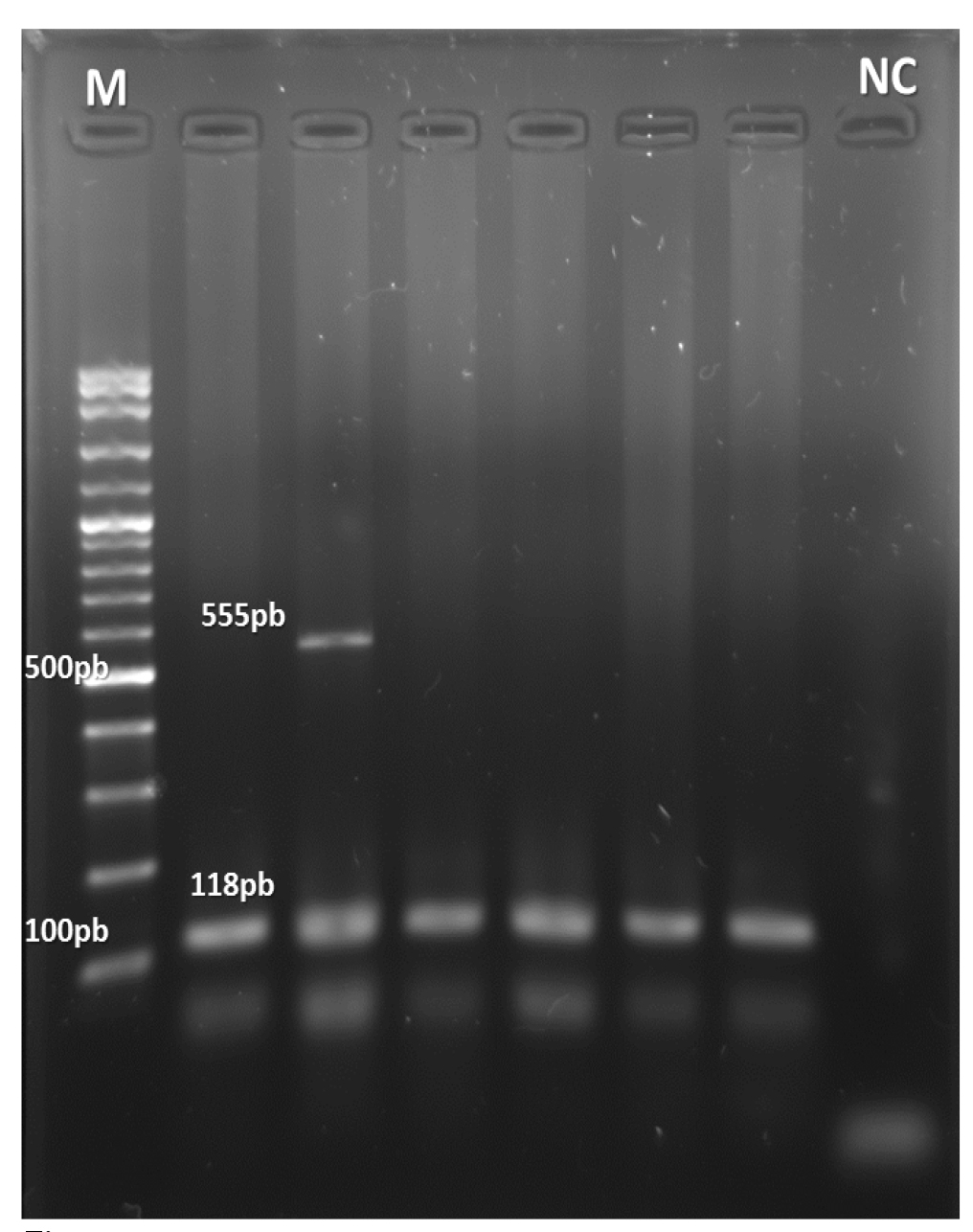
Figure 1.Results of the multiplex polymerase chain reaction (PCR). Lane M represents the molecular weight marker (DNA ladder). Lane NC represents the Negative control. The remaining lanes display the results for the Escherichia coli isolates.
Antibiotic Susceptibility of STEC
Shigatoxigenic E. coli (STEC) isolates exhibited high levels of antibiotic resistance. The highest resistance was observed against Penicillin G (92%), followed by Amoxicillin (88%).
In contrast, the highest susceptibility was observed for Ceftiofur (68%), followed by Ciprofloxacin (60%). These results are presented in Table 1.
| Antibiotics | Sensitive | Intermediate | Resistance |
|---|---|---|---|
| Ampicillin | 36% | 36% | 28% |
| Ceftiofur | 68% | 20% | 12% |
| Ciprofloxacin | 60% | 24% | 16% |
| Enrofloxacin | 52% | 32% | 16% |
| Streptomycin | 12% | 24% | 64% |
| Gentamycin | 16% | 16% | 68% |
| Neomycin | 8% | 16% | 76% |
| Oxytetracycline | 4% | 12% | 84% |
| Doxycycline | 12% | 12% | 76% |
| penicillin G | 0% | 8% | 92% |
| Amoxicillin | 0% | 12% | 88% |
| Trimethoprim | 16% | 24% | 60% |
Synergistic Effect of Bacteriophages and Antibiotics against Shigatoxigenic E. coli (STEC):
A synergistic effect was observed between antibiotics and E. coli bacteriophages against the bacterial isolates. The MIC for the combination of streptomycin (40 µg/mL) and bacteriophages (6 log10 PFU/mL) was much lower than the MIC of streptomycin alone (250 µg/ML).
The highest bacteriophage titer (14.58 log10 PFU/mL) occurred at a streptomycin concentration of 20 µg/mL, while the lowest bacteriophage titer (3.63 log10 PFU/mL) was recorded at a higher streptomycin concentration of 250 µg/mL. These results are illustrated in Fig. 2, Fig. 3, Table 2.
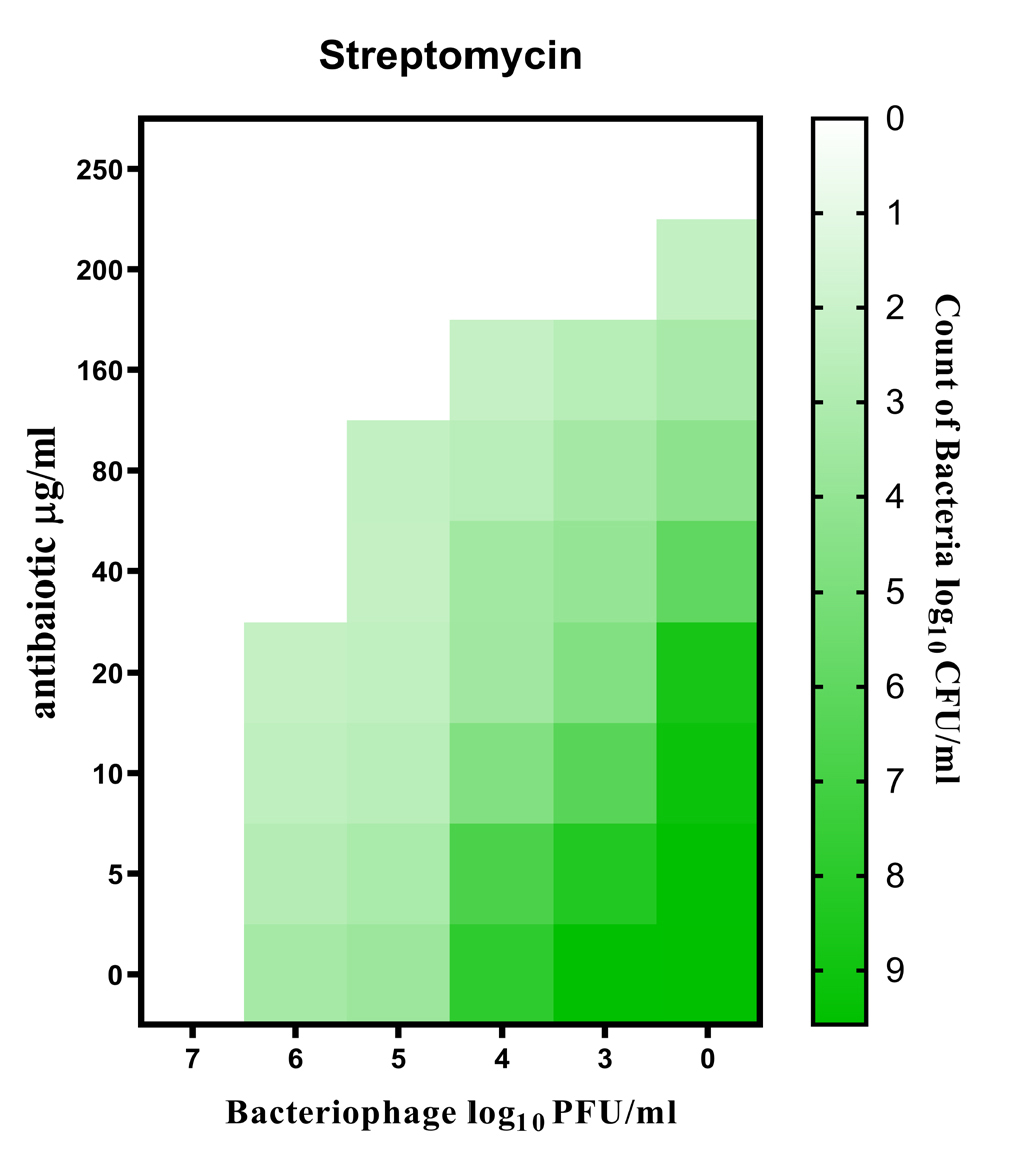
Figure 2.The heat map shows the concentration of Escherichia coli germs after 24 hours of incubation at 37°C with the synergistic effect of the antibiotic streptomycin and Escherichia coli phages.
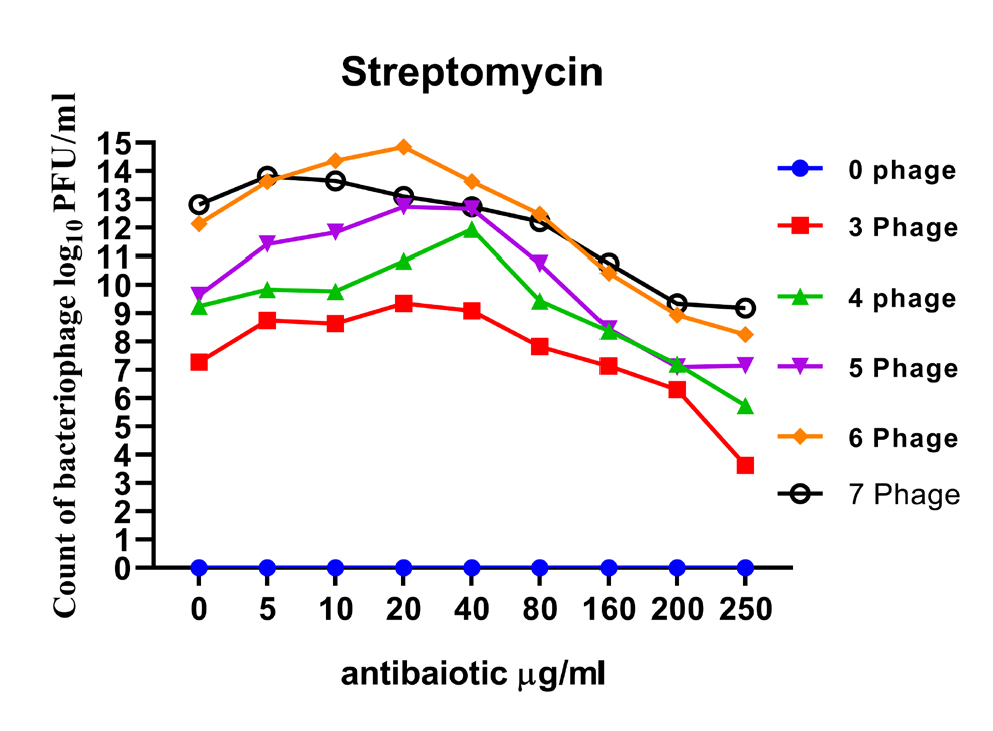
Figure 3.Titers of bacteriophage on synergistic action with streptomycin against STEC.
| antibaiotic μg/ml | 250 | 0 | 0 | 0 | 0 | 0 | 0 |
| 0 | 3.63 ± 1.2 | 5.74 ± 1.4 | 7.15 ± 2.3 | 8.25 ± 2.6 | 9.2 ± 3.5 | ||
| 200 | 2.25 ± 0.8 | 0 | 0 | 0 | 0 | 0 | |
| 0 | 6.31 ± 2.1 | 7.21 ± 2.8 | 7.11 ± 2.7 | 8.94 ± 3.4 | 9.35 ± 2.8 | ||
| 160 | 3.23 ± 1.7 | 2.68 ± 0.7 | 2.14 ± 0.9 | 0 | 0 | 0 | |
| 0 | 7.14 ± 2.3 | 8.38 ± 3.5 | 8.46 ± 3.1 | 10.42 ± 2.8 | 10.75 ± 2.3 | ||
| 80 | 4.26 ± 2.2 | 3.35 ± 2.1 | 2.61 ± 1.1 | 2.24 ± 0.6 | 0 | 0 | |
| 0 | 7.83 ± 2.4 | 9.45 ± 3.4 | 10.74 ± 2.7 | 12.48 ± 3.3 | 12.22 ± 3.4 | ||
| 40 | 5.94 ± 2.7 | 3.95 ± 1.8 | 3.47 ± 1.5 | 2.21 ± 1.2 | 0 | 0 | |
| 0 | 9.1 ± 3.2 | 11.96 ± 4.2 | 12.67 ± 3.8 | 13.63 ± 2.9 | 12.74 ± 3.1 | ||
| 20 | 8.73 ± 2.8 | 4.67 ± 2.2 | 3.51 ± 1.8 | 2.33 ± 0.8 | 2.18 ± 1.1 | 0 | |
| 0 | 9.36 ± 3.7 | 10.85 ± 2.8 | 12.74 ± 4.2 | 14.85 ± 3.9 | 13.1 ± 2.8 | ||
| 10 | 9.15 ± 3.3 | 6.73 ± 2.7 | 4.68 ± 2.6 | 2.59 ± 1.5 | 2.42 ± 0.4 | 0 | |
| 0 | 8.64 ± 3.8 | 9.78 ± 3.2 | 11.85 ± 3.7 | 14.37 ± 4.7 | 13.65 ± 3.5 | ||
| 5 | 9.52 ± 3.2 | 8.31 ± 3.3 | 6.73 ± 2.9 | 3.17 ± 2.1 | 2.75 ± 0.8 | 0 | |
| 0 | 8.75 ± 3.6 | 9.85 ± 2.1 | 11.43 ± 3.5 | 13.63 ± 3.2 | 13.82 ± 3.2 | ||
| 0 | 9.57 ± 3.7 | 9.53 ± 3.8 | 7.82 ± 3.7 | 3.71 ± 1.8 | 3.34 ± 1.4 | 0 | |
| 0 | 7.28 ± 3.2 | 9.26 ± 2.6 | 9.64 ± 2.8 | 12.14 ± 2.9 | 12.82 ± 2.9 | ||
| A | 0 | 3 | 4 | 5 | 6 | 7 | |
| P | Count of bacteriophage log10 PFU/ml | ||||||
The calculated Fractional Bactericidal Concentration Index (FBIC) was 0.26, indicating a strong synergistic effect between E. coli bacteriophages and the antibiotic streptomycin against E. coli.
A similar pattern was observed for oxytetracycline. The MIC for the combination of oxytetracycline (40 µg/mL) and bacteriophages (6 log10 PFU/mL) was notably lower compared to the MIC of oxytetracycline alone (250 µg/mL).
The highest bacteriophage titer (14.75 log10 PFU/mL) occurred at a sub-inhibitory oxytetracycline concentration of 10 µg/mL, while lowest bacteriophage titer (4.77 log10 PFU/mL) was recorded in conjunction with the higher oxytetracycline concentration of 250 µg/mL. These results are illustrated in Fig. 4, Fig. 5, Table 3.
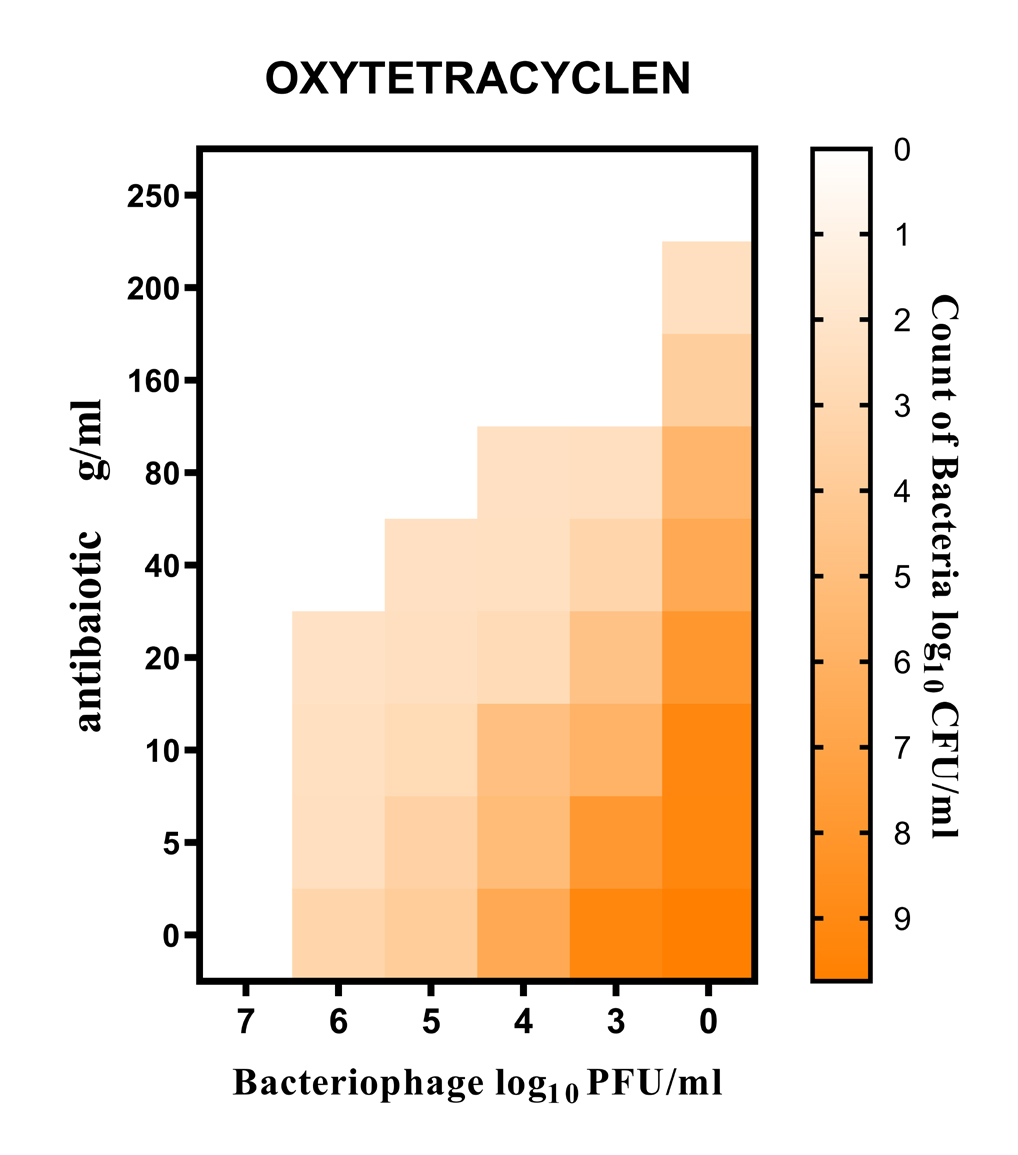
Figure 4.The heat map shows the concentration of Escherichia coli germs after 24 hours of incubation at 37°C with the synergistic effect of the antibiotic oxytetracycline and Escherichia coli phages.
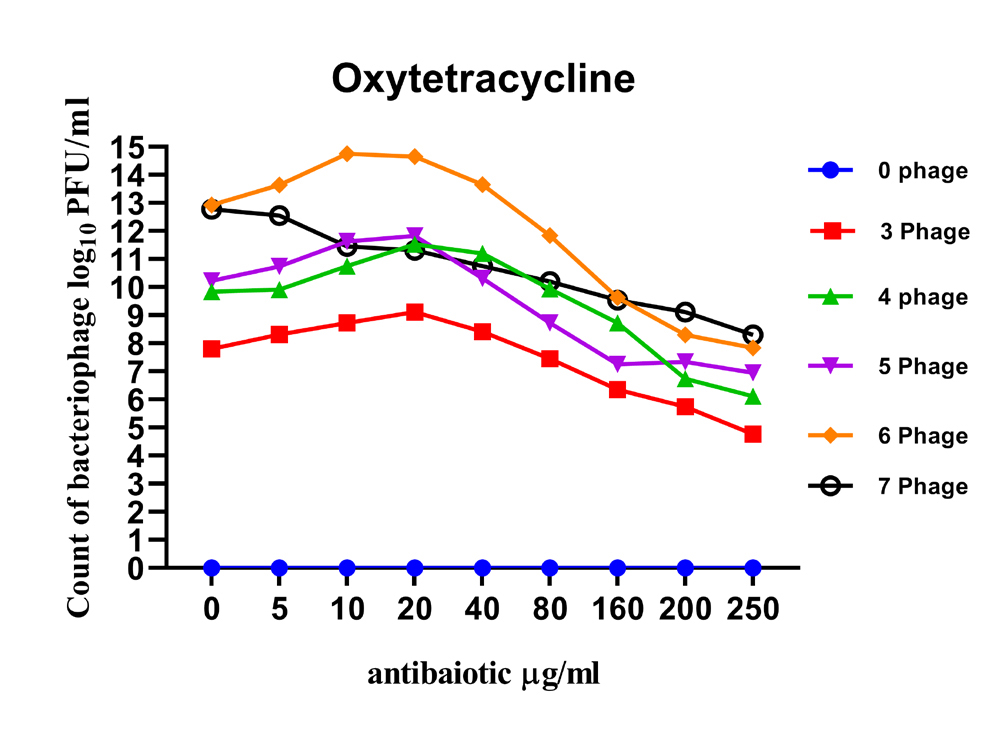
Figure 5.Bacteriophage titres under synergistic use of oxytetracycline against STEC.
| antibaiotic μg/ml | 250 | 0 | 0 | 0 | 0 | 0 | 0 |
| 0 | 4.77 ± 1.7 | 6.12 ± 1.9 | 6.95 ± 1.4 | 7.84 ± 2.1 | 8.31 ± 2.8 | ||
| 200 | 2.43 ± 0.6 | 0 | 0 | 0 | 0 | 0 | |
| 0 | 5.74 ± 1.5 | 6.74 ± 2.1 | 7.35 ± 2.8 | 8.31 ± 2.6 | 9.12 ± 2.2 | ||
| 160 | 3.75 ± 1.2 | 0 | 0 | 0 | 0 | 0 | |
| 0 | 6.36 ± 2.7 | 8.73 ± 2.2 | 7.25 ± 2.6 | 9.63 ± 3.2 | 9.54 ± 2.7 | ||
| 80 | 5.62 ± 2.1 | 2.43 ± 1.4 | 2.32 ± 0.8 | 0 | 0 | 0 | |
| 0 | 7.46 ± 2.3 | 9.95 ± 3.5 | 8.73 ± 2.6 | 11.85 ± 3.6 | 10.21 ± 2.6 | ||
| 40 | 6.54 ± 1.9 | 3.16 ± 1.6 | 2.37 ± 1.2 | 2.31 ± 0.9 | 0 | 0 | |
| 0 | 8.42 ± 2.8 | 11.21 ± 4.2 | 10.32 ± 3.2 | 13.65 ± 4.2 | 10.76 ± 3.1 | ||
| 20 | 7.95 ± 3.1 | 4.61 ± 2.3 | 2.74 ± 1.8 | 2.38 ± 1.6 | 2.2 ± 0.6 | 0 | |
| 0 | 9.12 ± 3.3 | 11.53 ± 3.7 | 11.83 ± 2.8 | 14.65 ± 4.1 | 11.32 ± 2.6 | ||
| 10 | 9.12 ± 3.6 | 5.8 ± 2.8 | 4.84 ± 2 | 2.75 ± 1.2 | 2.35 ± 0.7 | 0 | |
| 0 | 8.73 ± 2.9 | 10.75 ± 2.3 | 11.63 ± 4 | 14.75 ± 3.6 | 11.46 ± 3.5 | ||
| 5 | 9.18 ± 3.2 | 7.84 ± 3.6 | 5.12 ± 2.1 | 3.47 ± 1.3 | 2.41 ± 1.2 | 0 | |
| 0 | 8.32 ± 2.6 | 9.92 ± 3.2 | 10.74 ± 3.5 | 13.64 ± 3.8 | 12.56 ± 3.6 | ||
| 0 | 9.73 ± 3.5 | 9.17 ± 3.8 | 6.53 ± 2.5 | 3.82 ± 1.6 | 3.14 ± 1.5 | 0 | |
| 0 | 7.82 ± 2.5 | 9.84 ± 2.2 | 10.23 ± 3.8 | 12.93 ± 4.3 | 12.78 ± 3.7 | ||
| A | 0 | 3 | 4 | 5 | 6 | 7 | |
| P | Count of bacteriophage log10 PFU/ml | ||||||
The calculated Fractional Bactericidal Concentration Index (FBCI) was 0.26, confirming a robust synergistic interaction between E. coli bacteriophages and oxytetracycline against the Shiga toxin-producing E. coli (STEC) strains.
The antibiotic neomycin also produced a synergistic effect. The MIC the combination of neomycin (10 µg/mL) and bacteriophages (6 log10 PFU/mL) was much lower than the MIC of neomycin alone (200 µg/ML). The highest bacteriophage titer (13.63 log10 PFU/mL) occurred at neomycin concentration of 10 µg/mL, while lowest bacteriophage titer (4.56 log10 PFU/mL), was recorded at the highest neomycin concentration of 160 µg/mL. These results are illustrated in Fig. 6 and 7, Table 4.
| antibaiotic μg/ml | 200 | 0 | 0 | 0 | 0 | 0 | 0 |
| 0 | 4.87 ± 2.1 | 6.34 ± 2.8 | 7.58 ± 2.4 | 8.64 ± 3.5 | 9.5 ± 3.8 | ||
| 160 | 2.32 ± 0.6 | 0 | 0 | 0 | 0 | 0 | |
| 0 | 4.56 ± 2.6 | 7.29 ± 3.1 | 7.34 ± 3.5 | 9.24 ± 3.6 | 9.53 ± 2.8 | ||
| 80 | 3.86 ± 0.8 | 0 | 0 | 0 | 0 | 0 | |
| 0 | 4.97 ± 2.4 | 8.34 ± 2.3 | 9.11 ± 3.3 | 10.23 ± 3.7 | 10.3 ± 3.7 | ||
| 40 | 6.35 ± 1.2 | 2.31 ± 0.7 | 0 | 0 | 0 | 0 | |
| 0 | 5.86 ± 2.8 | 9.58 ± 3.5 | 9.47 ± 3.5 | 11.24 ± 3.2 | 10.4 ± 3.4 | ||
| 20 | 7.56 ± 2.1 | 3.28 ± 1.8 | 2.5 ± 1.4 | 0 | 0 | 0 | |
| 0 | 6.39 ± 3.6 | 10.11 ± 4.2 | 10.83 ± 4.1 | 13.42 ± 4.1 | 11.7 ± 4.2 | ||
| 10 | 9.01 ± 2.5 | 3.43 ± 1.8 | 2.63 ± 1.1 | 2.21 ± 1.2 | 0 | 0 | |
| 0 | 7.9 ± 3.2 | 10.58 ± 4.2 | 11.37 ± 3.2 | 13.63 ± 4.3 | 13.5 ± 3.7 | ||
| 5 | 8.86 ± 2.5 | 4.21 ± 2.3 | 4.76 ± 2 | 2.53 ± 1.4 | 2.22 ± 0.7 | 0 | |
| 0 | 7.8 ± 2.5 | 10.76 ± 3.9 | 11.37 ± 3.7 | 12.84 ± 3.5 | 12.7 ± 3.5 | ||
| 0 | 9.65 ± 3.1 | 8.64 ± 3.1 | 6.56 ± 2.4 | 3.28 ± 1.7 | 2.32 ± 0.6 | 0 | |
| 0 | 7.4 ± 3.2 | 9.36 ± 4.1 | 10.24 ± 3.2 | 12.64 ± 3.7 | 12.6 ± 3.8 | ||
| A | 0 | 3 | 4 | 5 | 6 | 7 | |
| P | Count of bacteriophage log10 PFU/ml | ||||||
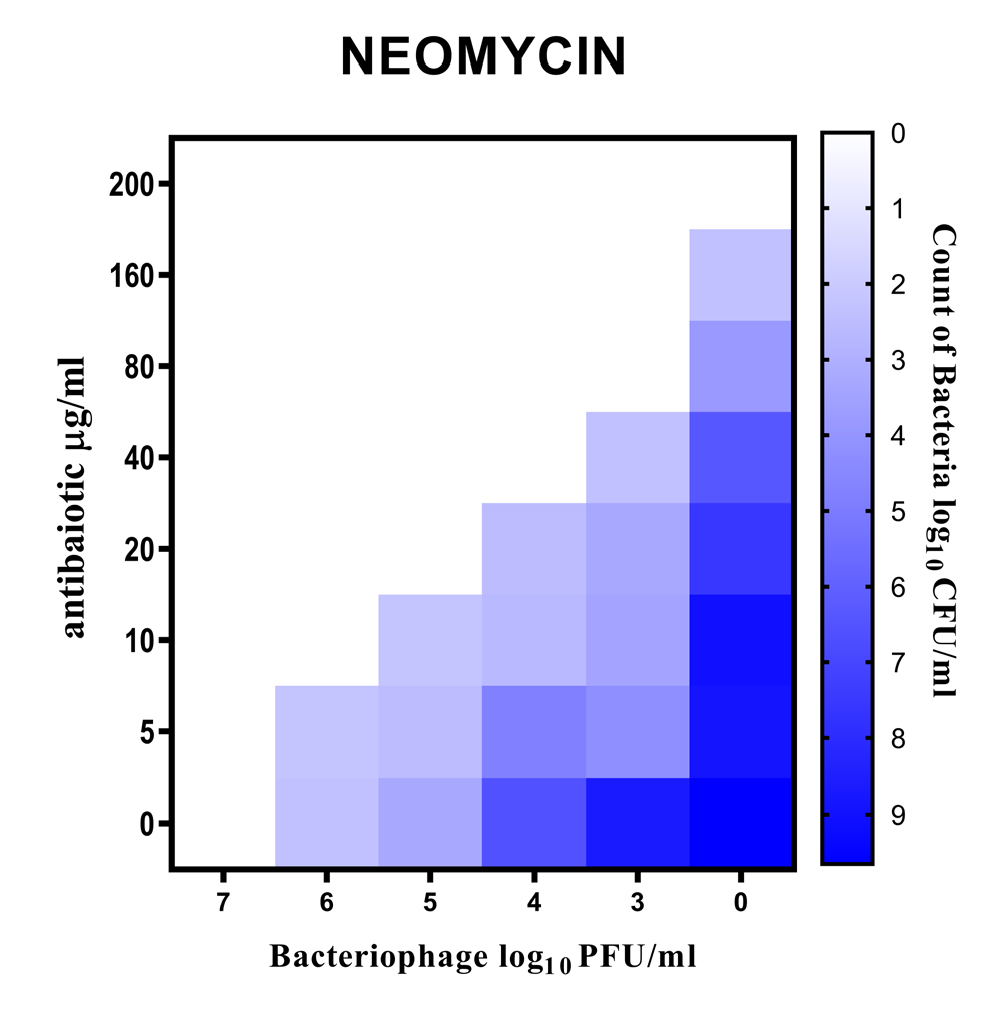
Figure 6.The heat map shows the concentration of Escherichia coli germs after 24 hours of incubation at 37°C with the synergistic effect of the antibiotic Neomycin and Escherichia coli phages.
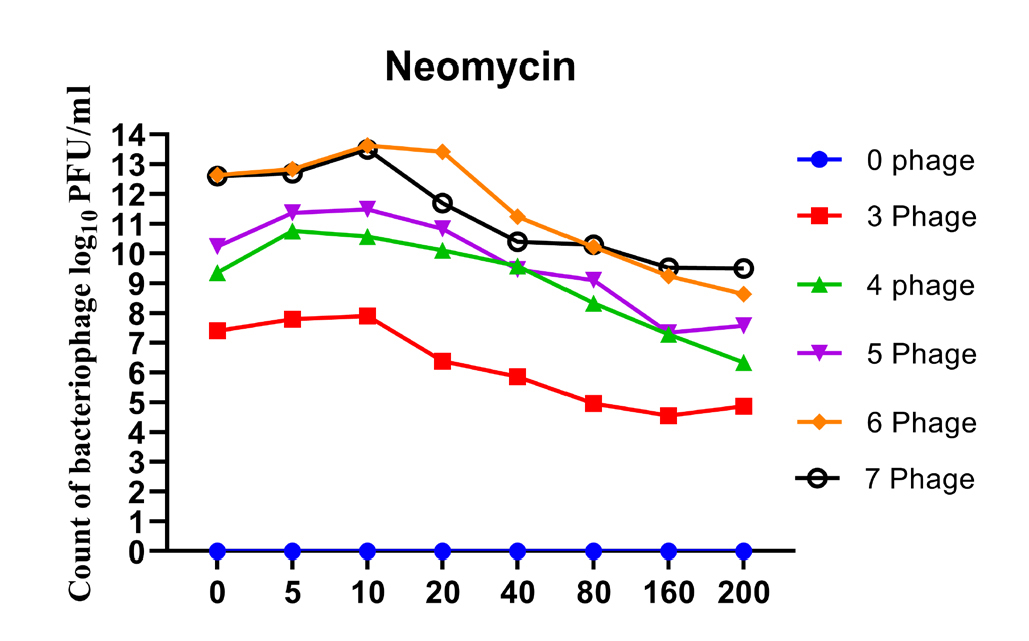
Figure 7.Bacteriophage titers during synergistic application of neomycin against STEC.
The calculated Fractional Bactericidal Concentration Index (FBCI) was 0.15, indicating potent synergistic bactericidal activity between E. coli bacteriophages and the antibiotic neomycin against the targeted E. coli.
Discussion
The aim of this study was to investigate the synergistic effects of bacteriophages combined with antibiotics against STEC isolated from diarrheic calves. The present study revealed a high prevalence of STEC among E. coli isolates obtained from diarrheic calves. In comparison with previous studies, Wang et al. [ 15 ] documented an STEC prevalence of 13.79% among E. coli isolates of calf diarrhea, with 37.5% of them possessing stx1, 12.5% possessing stx2, and 50% possessing both stx1 and stx2. Nguyen et al. [ 16 ] reported that 19.08% of E. coli isolates of diarrheic calves possessing stx1, 30.29% possessing stx2, and 24.48% possessing both stx1 and stx2. In contrast, Andrade et al. [ 41 ] documented 82.8% of E. coli isolates of diarrheic calves possessing stx1 and only 4% possessing stx2. Similarly, Cengiz and Adiguzel [ 17 ] reported that 3.03% of isolates possessing stx1 and 9.09% possessing stx2.
Differences of STEC prevalence reported in the present study compared to earlier studies may result from differences inF geographical location, epidemiological conditions, and farm management practices.
Moreover, the STEC isolates of diarrheic calves from the present study were significantly resistant to a number of antibiotics. Extensive and often indiscriminate application of antibiotics likely play a central role in the emergence of resistant strains. For instance, Abdulridha and Ibrahim [ 2 ] observed 100% resistance of E. coli isolates of diarrheic calves against ampicillin and amoxicillin but only 30% susceptibility to ciprofloxacin. Wang et al. [ 18 ] documented 100% resistance of E. coli isolates against sulfadiazine sodium, enrofloxacin, and ciprofloxacin. while Ibrahim et al. [ 19 ] documented 100% resistance of E. coli isolates against colistin, tetracycline, amoxicillin/clavulanic acid, and trimethoprim sulfamethoxazole.
Variability in resistance profiles between studies likely reflect variations in local antibiotic usage practices.
The combination of E. coli bacteriophages with antibiotics showed markedly increased effectiveness when compared with the use of either treatment individually. This synergistic interaction substantially reduced the MIC of the used antibiotics. These results align with earlier investigations; for example, Narulita et al. [ 20 ] reported that combining phages with tetracycline or amoxicillin lowered antibiotic MICs. Moradpour et al. [ 21 ] reported strong synergy effect between ampicillin (6 µg/mL) and phages, achieving 95% E. coli growth inhibition compared with to 85% for phages alone and 82% for ampicillin alone. Similarly, Shamsuzzaman et al. [ 22 ] reported that the combination of phages and colistin caused a 4-8-fold reduction in the MIC, and synergy with meropenem and tigecycline caused a 4-fold reduction of the MIC.
The synergistic effects between phages and antibiotics may be explained by antibiotics weakening the bacterial cell wall, facilitating enhanced phage entry and bacterial lysis. Alternatively, antibiotics may suppress bacterial replication, allowing phages to proliferate within cells, ultimately enhancing bacterial death and the release of new phage particles [ 23 ].
The efficacy of the synergistic effect between bacteriophages and antibiotics may be attributed to several reasons, including the occurrence of mutations conferring resistance to phage infection. Although such mutations prevent phage infection, they also provide a unique opportunity to significantly influence or steer the pathogen's evolutionary trajectory toward a therapeutically beneficial phenotype. In particular, phages that target structures involved in antimicrobial resistance may promote evolutionary trade-offs that enhance the activity of otherwise ineffective antibiotics [ 24 ].
The primary defense against phages arises through mutation or concealment of phage receptors [ 40 ]. Such surface modifications often impose a consistent, non-adaptive, and pleiotropic cost on the host bacteria [ 25 ] and can have a direct impact on antibiotic resistance if the phage receptor plays a role in antibiotic resistance mechanisms. Synergy involving phage interaction with efflux systems was first suggested with the discovery of phage OMKO1, which binds to the outer membrane porin protein OprM during infection of P. aeruginosa. OprM forms the outer membrane channel of the multidrug efflux systems MexAB-OprM and MexXY-OprM. Under selection by OMKO1, spontaneous phage-resistant mutations in P. aeruginosa exhibited increased susceptibility to ciprofloxacin, tetracycline, ceftazidime, and erythromycin, likely due to reduced drug efflux capacity caused by altered or nonfunctional efflux pumps [ 24 ]. Thus, phages that target components of efflux systems can synergize with antibiotics that are substrates of those specific systems. Furthermore, phage-mediated antibiotic sensitization has been observed for phages that target cell envelope structures such as lipopolysaccharides (LPS) [ 26 ] and capsular polysaccharides [ 27 ], suggesting increased membrane permeability or improved drug target accessibility as a potential evolutionary mechanism for phage-antibiotic synergy.
Qin et al., [ 28 ] found that incubating Klebsiella pneumoniae with phage H5 alone produced phage-resistant mutants with increased metabolic activity and competitive fitness compared to an untreated control group. These mutants, which arose from missense mutations in wcaJ, a gene involved in capsule production, were more susceptible to ceftazidime.
Although some examples showed a direct relationship between loss of the phage receptor and antibiotic susceptibility, the heterogeneity of mutational responses to phage infection suggests that sensitization may also occur indirectly. Accordingly, researchers have proposed that mutations likely conferred phage resistance, while increased drug susceptibility may be associated with reduced antibiotic efflux. Collectively, these findings suggest that deploying phages targeting efflux-enhancing structures or entry determinants represents a novel and promising mode of phage-antibiotic synergy [ 28 ].
Alternatively, the synergistic effect observed in this study may be attributed to complementary mechanisms of action. Aminoglycosides such as streptomycin and neomycin inhibit bacterial protein synthesis by binding to the 30S ribosomal subunit. This growth inhibition may impair the bacterium's ability to mount effective defenses against phage infection, such as CRISPR-Cas system or receptor modifications, thereby facilitating phage replication. Oxytetracycline, a protein synthesis inhibitor also targeting the 30S subunit, likely operates through a similar principle, leading to a compromised physiological state. Additionally, at subinhibitory concentrations these antibiotics may induce mild membrane stress or alter cell surface architecture, potentially enhancing phage adsorption and genome injection [ 24 ]. These mechanisms are consistent with the well-established documented observations that antibiotics can potentiate phage therapy by weakening bacterial homeostasis and suppressing resistance mechanisms, resulting in a more effective combined bactericidal outcome.
Limitations
This study acknowledges several limitations. Firstly, the lack of transmission electron microscopy analysis precluded precise morphological classification of the phages, which is essential for taxonomic identification and understanding infection dynamics. Secondly, resource constraints prevented whole-genome sequencing of the phages. Such genomic data would be invaluable for assessing their lysogenic potential, identifying virulence factors, and assessing safety profiles. Finally, the findings derived based solely from in vitro assays; the absence of in vivo validation in a relevant animal model limits the translational relevance of our conclusions regarding therapeutic efficacy and safety within a complex biological system.
Declaration of Generative AI and AI-assisted technologies in the writing process
During the preparation of this manuscript, the authors used AI-assisted tools solely for language translation and grammatical phrasing. All scientific content, data interpretation, and conclusions are the original work of the authors.
Ethical approval
Ethical approval was provided by the College of Veterinary Medicine, Hama University, Hama, Syria (No. 479, Date 20/2/2024). Rectal fecal samples were obtained from animals without anesthesia or tranquilizers after obtaining the permission of the farmers.
Sample Collection
A total of 60 samples were collected from diarrheic calves (aged 1 day to 6 months) in different parts of the Hama governorate between July 2, 2024, to December 23, 2024. Samples consisted of swabs taken from affected animals, with one swab per animal inoculated directly into sterile tube containing peptone water. All samples were transferred to the laboratory for analysis on the same day.
Bacterial Isolation
Swabs were incubated on MacConkey agar (HiMedia®) at 37°C for 24 hours. Lactose-fermenting colonies were subcultured onto Eosin Methylene Blue (EMB) agar (HiMedia®) and re-incubated at 37°C for another 24 hours.
Colonies exhibiting a characteristic dark green metallic luster on EMB agar were considered presumptive E. coli positive and were subjected to secondary biochemical confirmation. The isolates were tested using a battery of biochemical tests: Indole, Methyl Red, Voges-Proskauer, and Citrate (IMViC) as enumerated by Gibbons et al. [ 29].
DNA Extraction
For DNA template preparation, 1-2 colonies from a pure isolate were transferred onto agar plates and were transferred into 50 µL sterile distilled water. The suspension was incubated in a boiling water bath for 10 minutes and centrifuged at 12,000 × g for 15 minutes. The resulting supernatant was carefully collected and used as the DNA template for the multiplex polymerase chain reaction (PCR) assay [ 17].
Multiplex Polymerase Chain Reaction (PCR)
Stx1 and Stx2 Shiga toxin genes were detected using specific primers, as shown in Table 5. The PCR reaction mixture comprised a total volume of 25 µL, containing the following components: 3 µL DNA template,1 µL forward and reverse primer each, 2.5 µL 10X PCR buffer, 1.5 µL Magnesium Chloride (25 mM), 0.5 µL dNTP mix (10 mM each), 0.5 µL Taq DNA polymerase (5 U/µL) and Nuclease-free water.
| Virulence factor | Primer sequence 5'-3' | Size of product (bp) | ||
|---|---|---|---|---|
| st1 | F | TTCGCTCTGCAATAGGTA | 555 | |
| R | TTCCCCAGTTCAATGTAAGAT | |||
| st2 | F | GTGCCTGTTACTGGGTTTTTCTTC | 118 | |
| R | AGGGGTCGATATCTCTGTCC | |||
Amplification was carried out using the Franck et al. [ 30 ] protocol with the following cycling conditions: Initial Denaturation: 94°C for 3 minutes, 30 cycles of) :Denaturation: 94°C for 30 seconds, Annealing: 50°C for 45 seconds, Extension: 72°C for 1.5 minutes (90 seconds) Final Extension: 72°C for 10 minutes.
Detection of PCR Amplicons
PCR products were analyzed by electrophoresis on a 2% agarose gel prepared in TBE buffer and stained with ethidium bromide (1 µg/mL). Electrophoresis was performed at 100 V for one hour. Gel was visualized using a UVIpro Platinum transilluminator equipped with a UV light source and a camera. Images were captured using the accompanying software. DNA bands corresponding to the expected amplicon sizes for each virulence factor (Table 5) were identified by comparison with a DNA molecular weight ladder.
Antibiotic Susceptibility Testing
Antibiotic susceptibility testing was performed using the Kirby-Bauer disc diffusion method on Muller-Hinton Agar. Bacterial suspensions were adjusted to a turbidity equivalent to a 0.5 McFarland standard and swabbed onto the agar plates. Antibiotic Unidiscs were aseptically located on the inoculated floor. The antibiotics tested, along with their concentrations and abbreviations, are listed in Table 6.
| Antibiotic Name | Code | Concentration (µg/disc) |
|---|---|---|
| Ampicillin | Am | μg (10) |
| Ceftiofur | Cef | μg (30) |
| Ciprofloxacin | Cip | μg (5) |
| Enrofloxacin | Enr | μg (5) |
| Streptomycin | S | μg (10) |
| Gentamycin | Gen | μg (10) |
| Neomycin | N | μg (30) |
| Oxytetracycline | TE | μg (30) |
| Doxycycline | Do | μg (30) |
| pincillin G | P | μg (25) |
| Amoxicillin | Ax | μg (25) |
| Trimethoprim | Tm | μg (5) |
Plates were incubated at 37°C for 24 hours. Following incubation, the diameter of the zone of inhibition around each antibiotic disc was measured in millimeters using a calibrated ruler. Results were interpreted according to the Clinical and Laboratory Standards Institute guidelines [ 31].
Isolation of E. coli Bacteriophages
Sample Collection and Processing
Twenty wastewater samples (n = 20) were collected from dairy cattle barns in the study region for the isolation of E. coli-specific bacteriophages. Samples were transported under refrigeration (4°C) and processed immediately. Solid particulates were suspended in 100 mL of sterile peptone water, filtered through coarse filter paper, and then centrifuged at 2000 rpm for 15 minutes to remove coarse debris. The supernatant was sequentially filtered through 0.8 µm, 0.45 µm, and 0.22 µm membrane filters [ 32 ] to obtain a bacteria-free phage lysate.
Following three consecutive cycles of plaque purification, a single, well-isolated phage clone was selected for all subsequent synergy experiments.
Host Bacterial Culture
E. coli isolates, originally obtained from diarrheic calves, were cultured in Nutrient Broth, and incubated at 37°C. These cultures served as the host bacteria for phage propagation and isolation [ 33].
Plaque Assay and Phage Isolation
Double agar overlay technique was employed for phage isolation. A base layer of nutrient agar supplemented with calcium nitrate was prepared in sterile Petri dishes. For the overlay, 300 µL of filtered phage lysate was mixed with 300 µL of host E. coli culture and incubated at 37°C for 10 minutes with constant agitation. This mixture was then blended with 3 mL of soft agar and overlaid on the base layer of agar. Plates were incubated at 37°C for 48 hours post solidification. Clear zones of lysis (plaques), indicative of bacteriophage activity, were observed [ 34, 35, 36].
Phage Purification and Propagation
Single plaques were purified using the method described by Kobayashi and Palumbo [ 34 ]. A single plaque was picked using a sterile cork borer and inoculated into a sterile 100 mL PYCA peptone-yeast extract and calcium nitrate broth tube, containing 5 mL of pre-cultured host E. coli. The tube was vortexed for 30 seconds to release phages and incubated at 37°C for 48 hours. The resulting lysate was centrifuged at 2000 rpm for 15 minutes to remove bacterial debris. The supernatant was filtered successively through 0.45 µm and 0.22 µm filters and stored at 4°C.
Phage Spot Assay
An E. coli bacterial suspension, adjusted to a 0.5 McFarland standard, was spread onto Mueller-Hinton agar plates. A 10 µL droplet of phage lysate was then spotted directly onto the inoculated agar surface. After allowing the droplet to absorb briefly, plates were inverted and incubated at 37°C for 24 hours. Following incubation, the presence of plaques was assessed, and any observed plaques were purified [ 35].
Phage Titration
Phage titers were determined using the double agar overlay technique. Ten-fold serial dilutions were prepared by adding 100 µL of phage stock to 900 µL of PYCA broth. For each dilution, 300 µL was added to 300 µL of an 18-hour log-phase host E. coli culture, incubated for 10 minutes, and then combined with 3 mL of soft agar. This mixture was overlaid onto base agar plates and incubated at 37°C for 24 hours. Plates exhibiting 100–200 plaques were selected, and phage titer was expressed as Plaque-Forming Units per mL (PFU/mL) [ 35 ].
Synergistic Effect Between Bacteriophages and Antibiotics
The synergistic activity between the isolated coliphage and three antibiotics (neomycin, oxytetracycline, streptomycin) was evaluated using a quantitative checkerboard method in 96-well microtiter plates. Working concentrations of both phage and antibiotics were prepared from stock solutions using the standard dilution formula (C1V1 = C2V2). Two-fold serial dilutions of each antibiotic were combined with ten-fold serial dilutions of the phage across the plate matrix, according to established protocols [ 37 ]. Bacterial growth was assessed after 24 hours of incubation at 37°C. Instead of turbidity measurements, synergy was quantified by determining viable bacterial counts (CFU/mL) through ten-fold serial dilutions from each well and plating on Eosin Methylene Blue (EMB) agar [ 38].
The Fractional Bactericidal Concentration Index (FBCI) was calculated using the following formula [ 39]:
Where:
- • MBC A+Ph: Minimum Bactericidal Concentration (MBC) of the antibiotic when combined with the phage.
- • MBC A: Minimum Bactericidal Concentration (MBC) of the antibiotic when used alone.
- • MBC Ph+A: Minimum Bactericidal Concentration (MBC) of the phage when combined with the antibiotic.
- • MBC Ph: Minimum Bactericidal Concentration (MBC) of the phage when used alone.
Interpretation of the FBCI value
- • FBCI ≤ 0.5: Synergistic bactericidal effect (Synergy).
- • 0.5 < FBCI ≤ 1: Additive bactericidal effect (Additive).
- • 1 < FBCI ≤ 2: No interaction (Indifference).
- • FBCI> 2: Antagonistic effect (Antagonism).
Statistical analysis
Data processing and graphical representation were performed using Microsoft Excel 2019 and GraphPad Prism (v8.2.1).
Authors' Contributions
Aseem Keder Albaker is the primary researcher, implementer, and writer of the research, as this research is part of the doctoral thesis that is currently being prepared. Dr. Maher Saleh supervises the research as a scientific supervisor and assistant in directing and writing the thesis, and Dr. Ashraf Alaaleh is the assistant practical supervisor during the implementation of the research.
Acknowledgements
This study was funded by Eagle For Veterinary Medicines and Feed Additives.
Conflict of interest
The authors declare that there is no conflict of interest.
Abbreviations-Cont'd
PCR: multiplex polymerase chain reaction
AMR: antimicrobial resistance
CDC: Centers for Disease Control and Prevention
WHO: World Health Organization
GRAS: generally recognized as safe
FDA: Food and Drug Administration
References
- Foster DM, Smith GW. Pathophysiology of diarrhea in calves. Vet Clin North Am Food Anim Pract. 2009;25:13–36.DOI
- Abdulridha RN, Ibrahim OMS. Activity Of Bacterial Antibiotics Against Some Pathogenic Bacteria Isolated From Calves Diarrhoea In Baghdad (PartI). Iraqi Journal of Agricultural Sciences. 2018;49(5):248-54.DOI
- Munita JM, Arias CA. Mechanisms of antibiotic resistance. Microbiol Spectr. 2016;4(2):4-2.DOI
- Sobierajski T, Mazińska B, Chajęcka-Wierzchowska W, Śmiałek M, Hryniewicz W. Antimicrobial and antibiotic resistance from the perspective of Polish veterinary students: an inter-university study. Antibiotics (Basel). 2022;11(1):115.DOI
- OIE. Antimicrobial Resistance. World Organization for Animal Health. 2015. www.oie.int. Accessed 22 May 2016.
- Al wendawi SH, Al Rekaby SM. The Effeciency Of Enteric Lactobacillus In Preventing Hemorrhagic Colitis And Blocking Shiga Toxins Productions In Rats Models Infected With Enterohemorrhagic Escherichia Coli (EHEC). Iraqi Journal of Agricultural Sciences. 2021;52(6):1346-55.DOI
- Majda B, Barchan AA, Aarab A, Bakkali M, Arakrak A, Laglaoui A. Evaluation Of The Antibacterial Activity Of Essential Oils Against E. Coli Isolated From Rabbits. Iraqi Journal of Agricultural Sciences. 2022;53(4):802-9.DOI
- Oechslin F. Resistance development to bacteriophages occurring during bacteriophage therapy. Viruses. 2018;10(7):1-23.DOI
- Marwa Sh, Ibrahim MAH. Correlation Between Antibiotic Resistance Phenotypes With Mobile Genetic Elements (Integron Class I) In Uropathogenic E. Coli. Iraqi Journal of Agricultural Sciences. 2024;55(4):1280-91.DOI
- Keen EC. A century of phage research: bacteriophages and the shaping of modern biology. Bioessays. 2015;37:6–9.DOI
- Hesse S, Adhya S. Phage therapy in the twenty-first century: facing the decline of the antibiotic era; is it finally time for the age of the phage? Annu Rev Microbiol. 2019;73:155–74.DOI
- McCallin S, Sacher JC, Zheng J, Chan BK. Current state of compassionate phage therapy. Viruses. 2019;11:1–14.DOI
- Payne RJ, Phil D, Jansen VA. Phage therapy: the peculiar kinetics of self-replicating pharmaceuticals. Clin Pharmacol Ther. 2000;68:225–30.DOI
- FDA (US Food and Drug Administration). Food additives permitted for direct addition to food for human consumption; bacteriophage preparation. Silver Spring, MD: US Food and Drug Administration; 2006.
- Wang L, Bai Y, Shi X, Zheng X, Liu Y, Zhang Y, et al. The Virulence Gene and Drug Resistance Analysis of Shiga Toxin-Producing Escherichia coli from Diarrhea Calves in Xinjiang, China. Foodborne Pathog Dis. 2025.DOI
- Nguyen TD, Vo TT, Vu-Khac H. Virulence factors in Escherichia coli isolated from calves with diarrhea in Vietnam. J Vet Sci. 2011;12(2):159-64.DOI
- Cengiz S, Adigüzel MC. Determination of virulence factors and antimicrobial resistance of E. coli isolated from calf diarrhea, part of eastern Turkey. Ankara Univ Vet Fak Derg. 2020;67(3):365–71.DOI
- Wang Z, Sun M, Guo S, Wang Y, Meng L, Shi J, et al. Detection of drug resistance in Escherichia coli from calves with diarrhea in the Tongliao region: an analysis of multidrug-resistant strains. Front Vet Sci. 2024;11:1466690.DOI
- Ibrahim HS, Abdelhamed GS, Elgohary AH, Fathi M. Relationship between virulence and antibiotic resistant genes in some Gram negative bacteria causing diarrhea in calves. J Adv Vet Res. 2025;15(1):6-12. Available from: https://advetresearch.com/index.php/AVR/article/view/2055
- Narulita E, Aji GP, Wahono B, Murdiyah S, Yulian R. Synergism of Phage фPT1b and Antibiotics for Reducing Infection of Escherichia coli. Biogenesis. 2020;8:22-8.DOI
- Moradpour Z, Yousefi N, Sadeghi D, Ghasemian A. Synergistic bactericidal activity of a naturally isolated phage and ampicillin against urinary tract infecting Escherichia coli O157. Iran J Basic Med Sci. 2020;23:257-63.DOI
- Shamsuzzaman M, Kim S, Kim J. Therapeutic potential of novel phages with antibiotic combinations against ESBL-producing and carbapenem-resistant Escherichia Coli. J Glob Antimicrob Resist. 2025;43:86–97.DOI
- Supina BSI, Dennis JJ. The Current Landscape of Phage–Antibiotic Synergistic (PAS) Interactions. Antibiotics. 2025;14:545.DOI
- Chan BK, Sistrom M, Wertz JE, Kortright KE, Narayan D, Turner PE. Phage selection restores antibiotic sensitivity in MDR Pseudomonas aeruginosa. Sci Rep. 2016;6:26717.DOI
- Chen Q, Dharmaraj T, Cai PC, Burgener EB, Haddock NL, Spakowitz AJ, et al. Bacteriophage and bacterial susceptibility, resistance, and tolerance to antibiotics. Pharmaceutics. 2022;14(7):1425.DOI
- Ruest MK, Supina BSI, Dennis JJ. Bacteriophage steering of Burkholderia cenocepacia toward reduced virulence and increased antibiotic sensitivity. J Bacteriol. 2023;205(12):e00196-23.DOI
- Wang X, Loh B, Gordillo Altamirano F, Yu Y, Hua X, Leptihn S. Colistin-phage combinations decrease antibiotic resistance in Acinetobacter baumannii via changes in envelope architecture. Emerg Microbes Infect. 2021;10(1):2205-19.DOI
- Qin K, Shi X, Yang K, Xu Q, Wang F, Chen S, et al. Phage-antibiotic synergy suppresses resistance emergence of Klebsiella pneumoniae by altering the evolutionary fitness. mBio. 2024;15(2):e01393-24.DOI
- Gibbons JF, Boland F, Buckley JF, et al. Patterns of antimicrobial resistance in pathogenic Escherichia coli isolates from cases of calf enteritis during the spring-calving season. Vet Microbiol. 2014;170:73-80.DOI
- Franck SM, Bosworth BT, Moon HW. Multiplex PCR for enterotoxigenic, attaching and effacing, and Shiga toxin-producing Escherichia coli strains from calves. J Clin Microbiol. 1998;36(6):1795–7.DOI
- CLSI. Performance standards for antimicrobial susceptibility testing. 30th ed. CLSI supplement M100. Wayne, PA: Clinical and Laboratory Standard Institute; 2020.
- Beaudoin R, DeCesaro D, Durkee D, Barbaro S. Isolation of a Bacteriophage From Sewage Sludge and characterization of its bacterial host cell. Rivier Academic Journal. 2007;3(1):1-8.
- Alexyuk P, Bogoyavlenskiy A, Alexyuk M, Akanova K, Moldakhanov Y, Berezin V. Isolation and Characterization of Lytic Bacteriophages Active against Clinical Strains of E. coli and Development of a Phage Antimicrobial Cocktail. Viruses. 2022;14(11):2381.DOI
- Kobayashi DY, Palumbo JD. Bacterial endophytes and their effects on plants and uses in agriculture. In: Bacon CW, White JF, editors. Microbial Endophytes. New York, USA: Marcel Dekker, Inc.; 2000.
- Pallavali RR, Degati VL, Lomada D, Reddy MC, Durbaka VRP. Isolation and in vitro evaluation of bacteriophages against MDR bacterial isolates from septic wound infections. PLoS One. 2017;12(7):1-16.DOI
- Santos SB, Carvalho CM, Sillankorva S, Nicolau A, Ferreira EC, Azeredo J. The use of antibiotics to improve phage detection and enumeration by the double-layer agar technique. BMC Microbiol. 2009;9(1):1-10.DOI
- Gu Liu C, Green SI, Min L, Clark JR, Salazar KC, Terwilliger AL, et al. Phageantibiotic synergy is driven by a unique combination of antibacterial mechanism of action and stoichiometry. mBio. 2020;11:e01462-20.DOI
- Cheesbrough M. Medical Laboratory Manual for Tropical Countries. 1st ed. London: English Language Book Society; 1987. p. 400–480.
- Moody, J. Synergism testing: Broth microdilution checkerboard and broth macrodilution method. In Clinical Microbiology Procedures Handbook; ASM Press: Washington, DC, USA, 2004; 1–28.
- Labrie SJ, Samson JE, Moineau S. Bacteriophage resistance mechanisms. Nat Rev Microbiol. 2010;8(5):317-27.
- Andrade GI, Coura FM, Santos EL, Ferreira MG, Galinari GC, Facury Filho EJ, et al. Identification of virulence factors by multiplex PCR in Escherichia coli isolated from calves in Minas Gerais, Brazil. Trop Anim Health Prod. 2012;44(7):1783-90.DOI


