
Abbreviations
LNPs-PL: Propolis Solid Lipid Nanoparticles
MRSA: Methicillin-Resistant Staphylococcus aureus
Introduction
Meat is an essential component of human nutrition, providing high quality protein, essential and non-essential essential amino acids, minerals and vitamins [ 1 ]. However, it also serves as an ideal medium for the growth and proliferation of spoilage microorganisms and serious pathogens as Bacillus cereus, Escherichia. coli O157:H7, Salmonella spp., Listeria monocytogenes and S. aureus [ 2 ]. Food of animal origin, such as meat and meat products, can be contaminated with methicillin-resistant S. aureus (MRSA) during various stages of production. Contamination may occur during slaughtering or milking processes from colonized or infected animal. This can lead to contamination of food products and environment, and ultimately the transmission of MRSA to humans through direct contact with contaminated meat [ 3 ]. The emergence of antimicrobial resistance among foodborne pathogens is largely attributed to the extensive use of antibiotics. The spread of MRSA germs to the human population can be attributed to improper hygienic standards and procedures throughout the slaughtering, transportation, and marketing processes, as evidenced by meat contamination [ 4 ]. Propolis, a natural resinous substance collected by honeybees from plant parts, buds, and exudates, has gained attention due to its potent biological activities. Its chemical composition varies depending on climates and geographical origin but is generally rich in polyphenols and flavonoids, which are responsible for its antimicrobial properties. In recent years, the use of natural antimicrobial agents has become increasingly important. Furthermore, because nanoparticles may pass through bacteria and bacterial biofilms, they may be a useful tool for limiting the spread of bacterial infections [ 5 ]. The goal of this study was to evaluate the enhanced antimicrobial efficacy of propolis-loaded solid lipid nanoparticles (LNPs-PL) against methicillin-resistant Staphylococcus aureus (MRSA) isolated from raw beef, and to compare its performance with free propolis.
Results
Prevalence of MRSA in raw beef samples
The microbiological analysis of 112 raw beef collected From different markets in Wasit city during the summer season revealed that four (MRSA) isolates, were detected from the pooled samples from different brand and locations. 50 samples (44.6 %) were positive for S. aureus, and among these, 20 isolates (40%) were confirmed as MRSA (Table 1, and figure 1). Also the Conventional PCR screening revealed that all the isolates were positive for intrinsic methicillin resistance (mecA) gene, producing a 163 bp amplicon (Figure 2).
| Sample Type | Total Samples (N) | S. aureus Positive (%) | MRSA Positive (%) (95% CI) |
|---|---|---|---|
| Raw Beef | 112 | 50 (44.6 ± 4.7%) | 20/50 (40.0 ± 6.9%) |
| Data analyzed by Chi-square test; p < 0.05 | |||
| S. aureus prevalence calculated as (positive samples/N) × 100 | |||
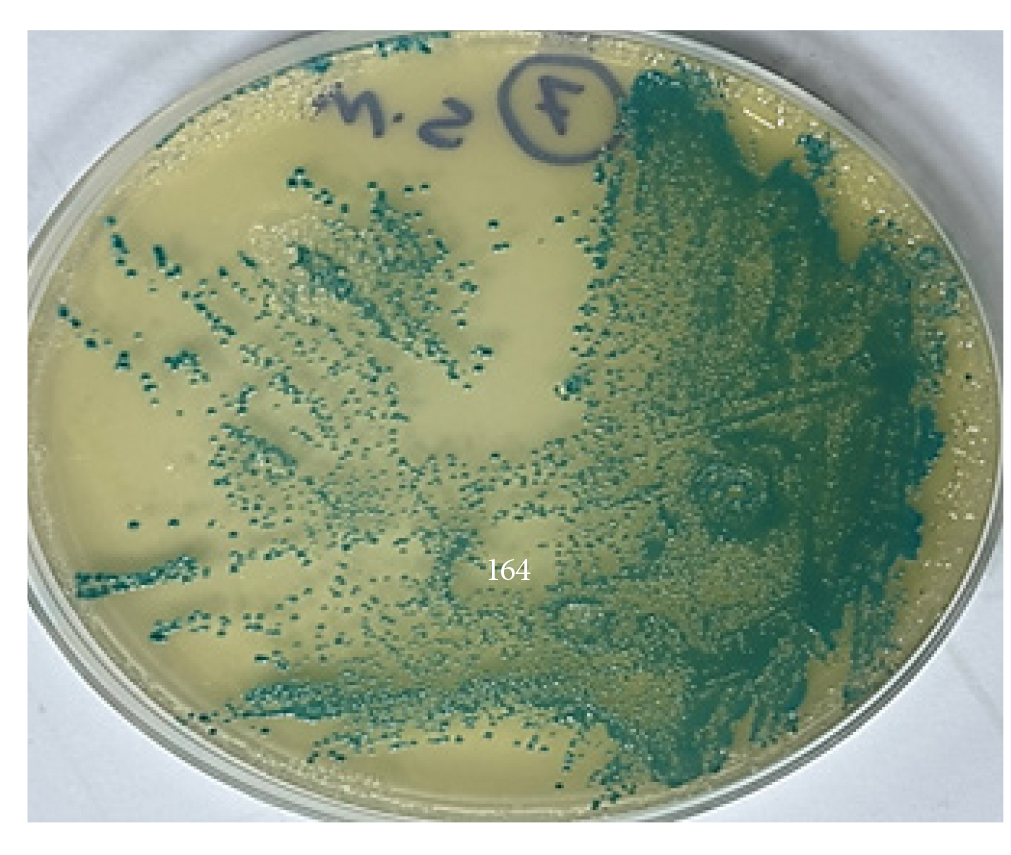
Figure 1.Methicillin-Resistant S. aureus (MRSA) on HiCrome MeReSa Agar Base medium
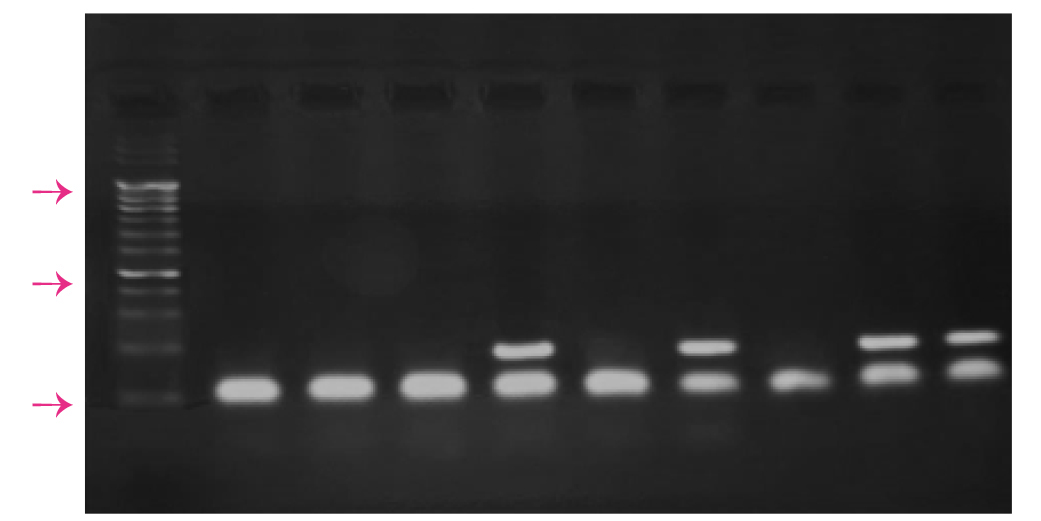
Figure 2.Agarose gel electrophoresis image shows PCR product analysis of S. aureus. Lane M Marker ladder (50-1000bp), lanes (1-10): mecA gene of S. aureus isolate with 163bp.
Preparation and Characteristics of LNPs-PL
DLS analysis
Particle Size and Morphology
Dynamic light scattering (DLS) analysis revealed an increase in nanoparticle size from 204.16 nm to 244 nm after loading with propolis extract, confirming successful encapsulation. The SEM image of LNPs-PL is displayed in Figure 3. SEM scan revealed that the nanoparticles were spherical in shape.
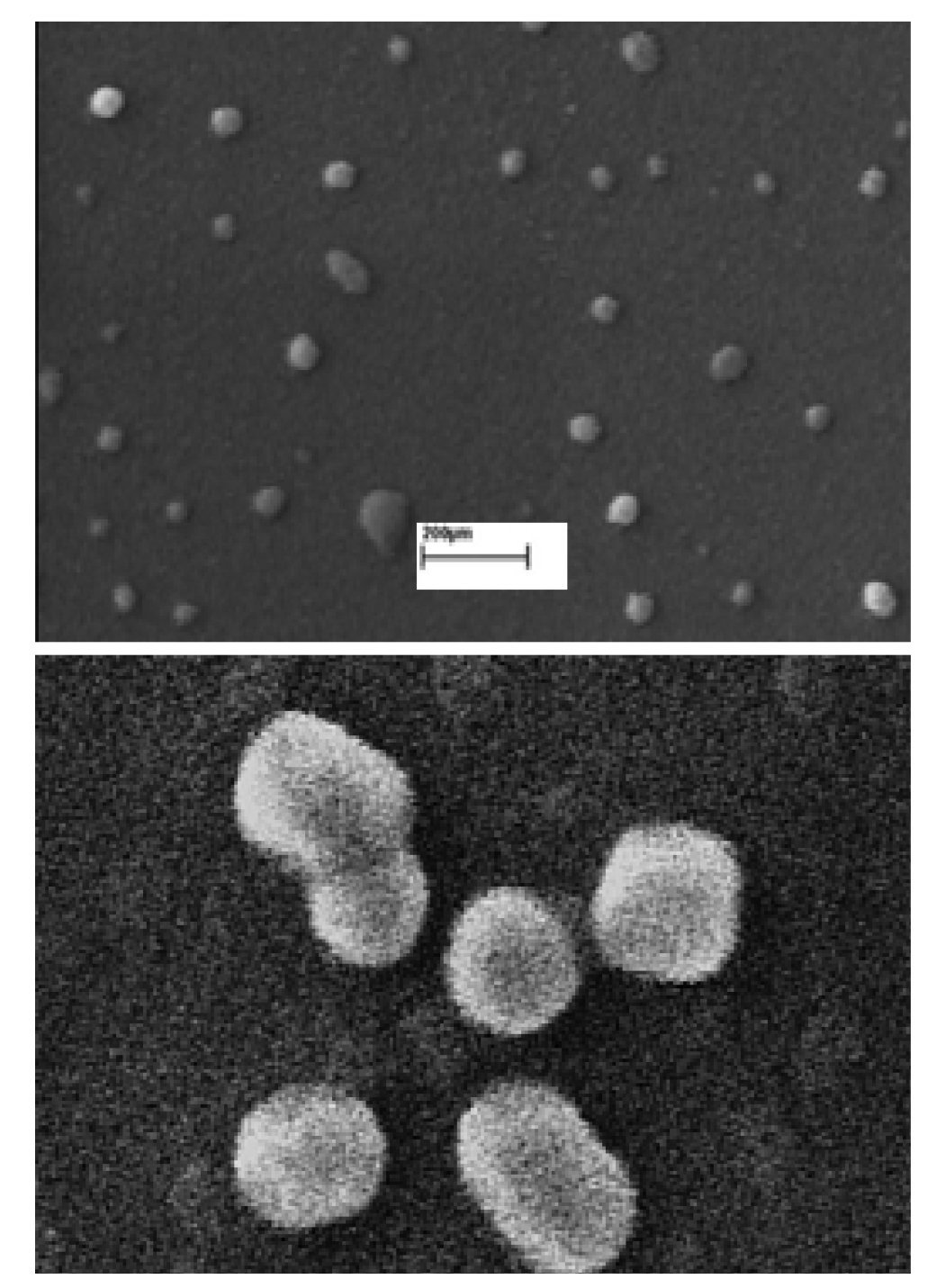
Figure 3.Appearance of LNPs-PL under scanning electron microscopy(SEM image of LNPs-PL at 50,000× magnification. Scale bar: 200 nm)
Polydispersity Index (PDI)
The PDI values provide critical insights into the size distribution and homogeneity of the nanoparticle populations. A PDI of 0.421 for the free LNPs (Figure 3) suggests a moderately broad size distribution, indicating some variability in particle size. Conversely, a PDI of 0.277 for the LNPs-PL (Figure 4) indicates a more homogeneous and uniform size distribution compared to the free LNPs. This suggests that the incorporation of propolis extract has contributed to a more uniform population of nanoparticles. Generally, a PDI below 0.3 is considered acceptable for pharmaceutical applications, indicating a relatively homogeneous population. The figures 4, 5 and 6 representation clearly demonstrates the size increase post propolis loading. The peak corresponding to LNPs-PL is shifted to the right, indicating a larger size compared to the free LNPs. The narrower peak width for LNPs-PL, which is consistent with the lower PDI value, suggests a more uniform size distribution. Additionally, the presence of a small peak at the higher size range in the LNPs-PL sample indicates the aggregation of a minor fraction of the nanoparticles. In summary, the data suggests that the incorporation of propolis extract into the lipid nanoparticles has resulted in a size increase and a more uniform particle size distribution. The lower PDI value for LNPs-PL supports the notion of enhanced homogeneity, which is advantageous for pharmaceutical applications. The size distribution data, corroborated by the intensity graph, further validates these findings.
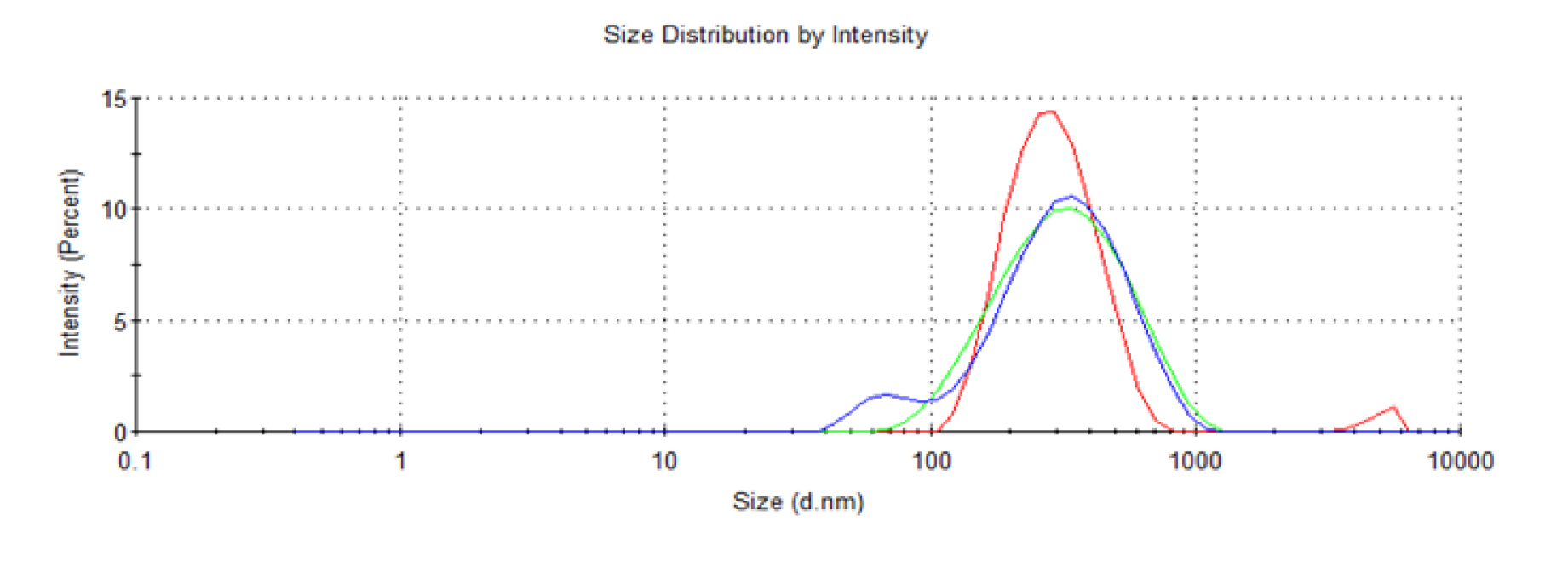
Figure 4.(PDI) to LNPs (Size distribution profile of free LNPs showing polydispersity index (PDI = 0.421).
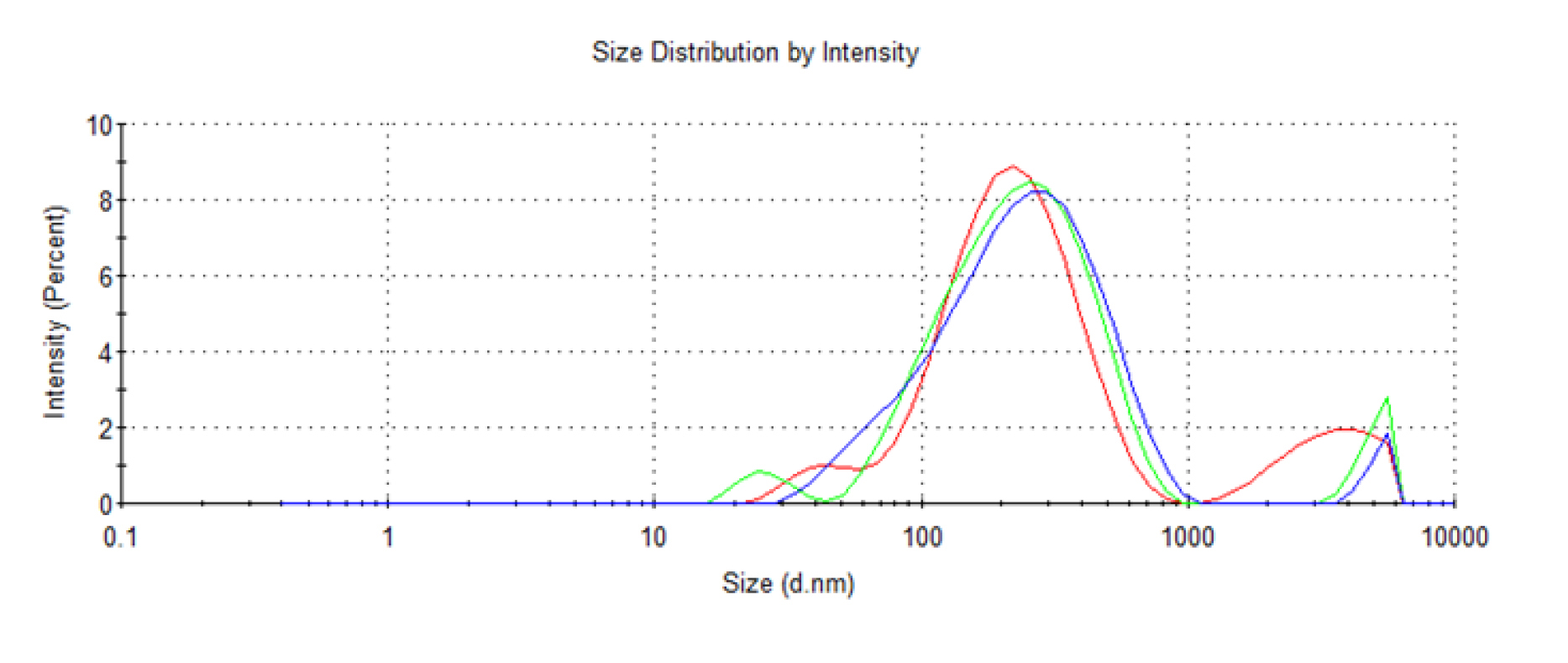
Figure 5.(PDI) LNPs-PL (Size distribution profile of LNPs-PL showing improved homogeneity (PDI = 0.277).
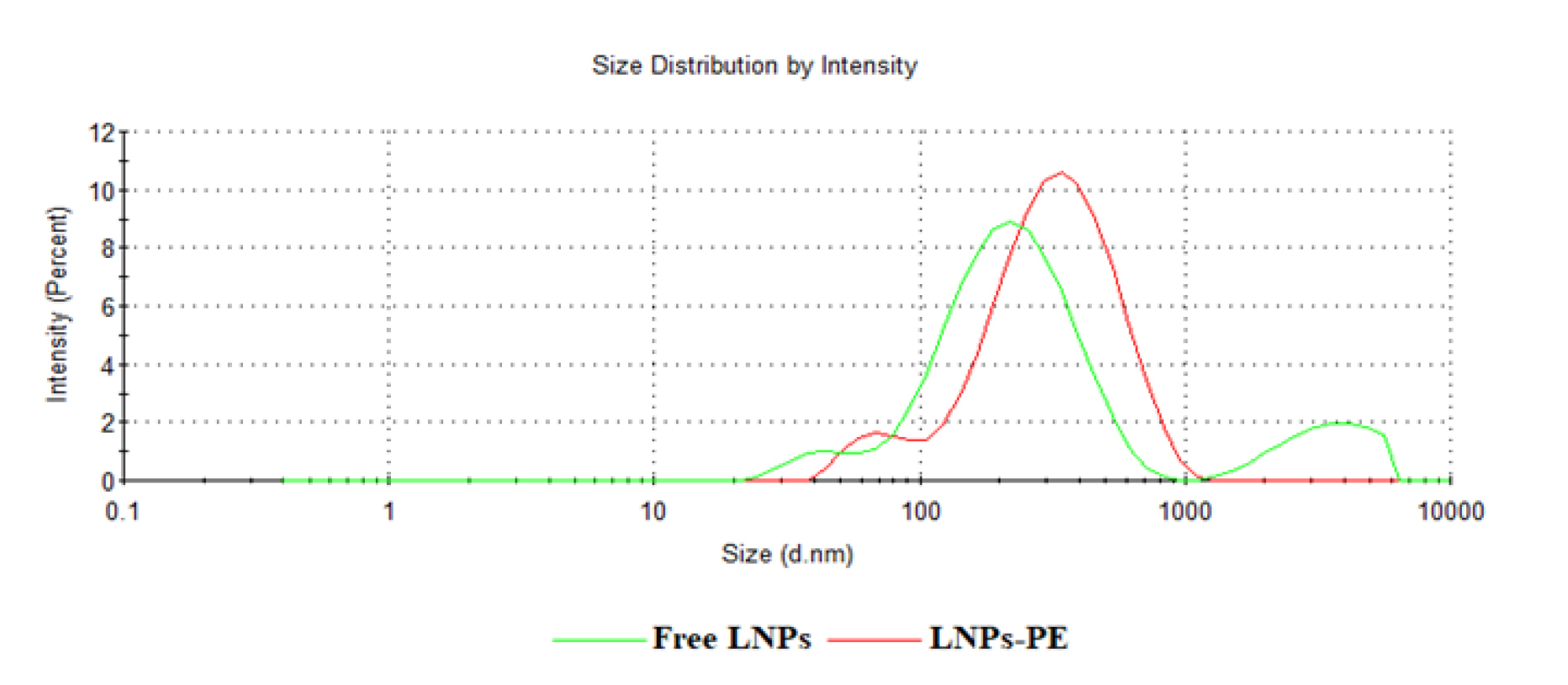
Figure 6.LNPs-PL (Intensity-based particle size distribution of LNPs-PL demonstrating increased average hydrodynamic diameter post-propolis loading).
Zeta Potential
The zeta potential of the lipid nanoparticles becomes more negative and shifted from -36.7 mV to -50.7 mV after loading with propolis extract. This increase in negative surface charge indicates a significant alteration in the surface properties of the nanoparticles. The propolis extract likely contributed negatively charged components to the nanoparticle surface, and thus enhanced the overall negative charge.
The antimicrobial activity of LNPs-PL
According to the antimicrobial activity data, LNPs-PL exhibited 74%, inhibition on the growth of MRSA. In addition, LNPs-PL exhibited significantly higher antibacterial activity against tested microorganisms compared to free PL. The inhibition zone for LNPs-PL was 36.0 ± 1.2 mm, while free propolis showed only 14.0 ± 0.8 mm (Table 2 and Figure 7). The 2.6-fold larger inhibition zones of LNPs-PL (p< 0.001, Cohen's d = 3.2) confirm not just statistical but practical superiority over free propolis.
| Treatment | Zone of Inhibition (mm, Mean ± SD) | p-value (vs. PL) | Statistical Test |
|---|---|---|---|
| LNPs-PL | 36.0 ± 1.2** | <0.01 | One-way ANOVA |
| Propolis (PL) | 14.0 ± 0.8 | — | (Tukey's post-hoc) |
| Empty SLNs | 0 (no activity) | — | |
| Data represent mean ± standard deviation of triplicate experiments. | |||
| Asterisk (**) indicates statistical significance (p< 0.01) vs. PL. | |||
| ANOVA assumptions (normality, homogeneity of variance) were verified. | |||
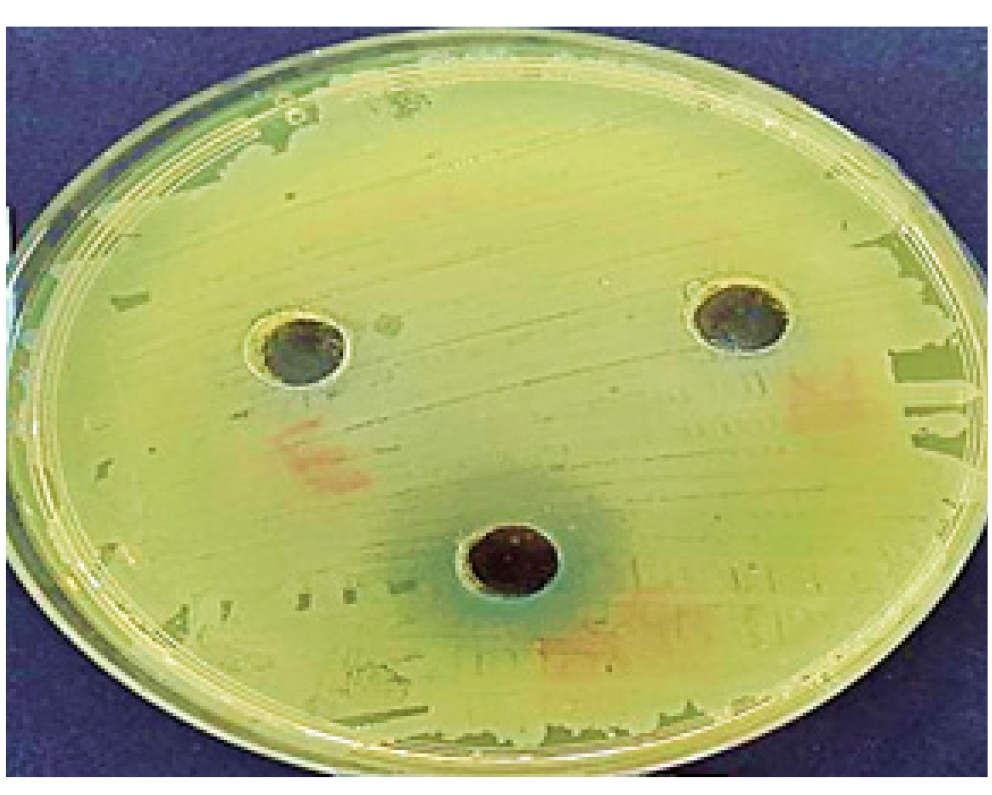
Figure 7.Inhibition zone as shown by LNPs-PL and regular PL on MRSA
Discussion
In this study, we aimed to compare the antimicrobial activity of propolis-loaded solid lipid nanoparticles (LNPs-PL) with that of free propolis against MRSA isolated from raw beef.
The high prevalence of MRSA in raw beef observed in this study suggests contamination from multiple sources, including infected animals and improper handling during slaughtering and processing (animal meat or workers who handled these meat may carried these bacteria as normal flora in their nasal cavity and their skin). These findings are consistent with previous studies reporting contamination sources. Scott et.al [ 6 ], reported that the meat can be contaminated with S. aureus during manufacture and handling. Waters et.al [ 7 ] reported a high prevalence of S. aureus isolated from fresh bovine meat, and Porpino et.al [ 8 ], reported that contamination of meat may occur through the different stages of food preparation as production, distribution, storage in the retailing supermarkets and during improper refrigeration temperature, as a results an enhance in bacterial growth can occur, leading to productions of enterotoxins. In the study done by Mohammed et.al, reported that food handlers who work with meat also can be the sourse of meat contamination by S. aureus [ 9 ].
This size augmentation implies that the propolis extract has been effectively integrated into the lipid matrix or adsorbed onto the surface of the LNPs. Such an increase is anticipated and confirms the presence of the propolis extract within the nanoparticle system [ 10 ].
The SEM scan revealed that the prepared SLNs had a spherical shape. Particle size distribution was similar to DLS. After loading, the nanocapsules had a spherical form, high dispersion, and a limited size distribution [ 11 ].
Because of their spherical morphology, the SLNs have the finest ability to have controlled release and to protect against encapsulated essential oil. This is because, compared to other types of nanoparticles, the spherical shape has the lowest contact surface with the aqueous medium of the dispersed phase and a longer path for the essential oil contained in the nanoparticles to flow [ 12 ].
Zeta potential is a critical parameter in assessing the stability of colloidal dispersions. Typically, zeta potential values exceeding +30 mV or below -30 mV are indicative of good colloidal stability, as the electrostatic repulsion between particles mitigates aggregation. Based on this, in the current study both the free LNPs and LNPs-PL exhibited zeta potential values within this range. Notably, the more negative zeta potential of the LNPs-PL (-50.7 mV) implies even greater stability compared to the free LNPs. This enhanced stability can be attributed to the additional negatively charged components provided by the propolis extract, which increase electrostatic repulsion and prevent particle aggregation [ 13 , 14 ].
The significantly higher antimicrobial activity of LNPs-PL, in this study and in the study done by Jaiswal et.al [ 15 ], compared to free propolis can be attributed to improved growth inhibition of the tested bacteria, even at lower concentrations. The may be because the PL is efficiently delivered by the vehicle (SLNs) and had better interaction with the bacteria [ 16 ].
Some of its constituents appear to be connected to the mechanism of propolis' antimicrobial action. Propolis's combination activity, which inhibits protein synthesis and bacterial growth by stopping cell division, is linked to its strong bacteriostatic and bactericidal actions [ 17 ]. Propolis contains high concentration of flavonoids, such as galangin, pinocembrin, and pinobanksin, which contribute to its antimicrobial (antibacterial and fungicidal) properties. These compounds may be the primary cause of the Propolis activity. For example, galangin and caffeic acids, two enzymatic inhibitory agent, are in charge of preventing the growth and multiplication of bacteria. Furthermore, several of the active ingredients in propolis have the potential to partially bacteriolyze the cell wall and cytoplasmic membrane. Flavonoids alter the permeability of the inner membrane of microorganisms and have an impact on the bacterial membrane potential [ 18 ]. Because smaller particles have better penetration and are therefore more effective, PNs' antimicrobial activity is validated. Johnson et.al [ 19 ] examined the impact of PLGA nanoparticles containing a hydroethanolic extract of red propolis (HERP) (PLG-AHERP-NPs) on the breakdown of harmful biofilms. According to this research, PLG-AHERP-NPs outperformed gram-positive bacteria in terms of MIC and biofilm formation. Variable cell wall and membrane structure in organisms can be linked to this discrepancy [ 19 ]. We mean the ingredients of propolis, specifically the flavonoids and polyphenols (such as galangin, pinocembrin, pinobanksin, and caffeic acids) that are naturally present in propolis.We do not mean adding extra or external chemicals. We mean that when propolis is loaded into nanoparticles, its natural active ingredients (flavonoids and polyphenols) are delivered more effectively, which enhances antibacterial activity.
It is also useful against abnormalities of the mouth, particularly dental problems. Propolis's polyphenols and flavonoids interact with a variety of microbial proteins to establish ionic and hydrogen connections, changing the protein's three-dimensional (3D) structure and, its function [ 20 ]. Consequently, in comparison to propolis, the addition of these chemicals in propolis nanoparticles can enhance their ability to prevent bacterial growth.
Declaration on AI use
The authors declare that no artificial intelligence (AI)-assisted technologies were used in the preparation, writing, editing, data analysis, or illustration of this manuscript.
Meat Sampling Technique
In the present research, a systematic and extensive sampling protocol was employed to examine the contamination of S. aureus and MRSA in raw beef. A total of 112 beef samples (500 g each) were collected aseptically from the boneless outer surfaces of shoulder muscles (n=56) and thigh muscles (n=56). The samples were collected from randomly chosen carcasses in three main slaughterhouses and ten licensed retail butchers across Wasit City, Iraq, to ensure proper representation of both the production and consumer points. Sampling was randomized and occurred over spring and summer periods (April to October 2024) to provide for potential temperature-dependent microbial variation, using sterile knives and pre-labeled polyethylene bags to prevent cross-contamination. The samples were transported to the laboratory in insulated iceboxes at 4 °C and processed within 6 hours to promote microbial viability. Prior to analysis, the samples were all aseptically trimmed of fat and connective tissue and homogenized in 0.1% peptone water for microorganism enumeration. To validate the integrity of sampling, negative controls (sterile swabs/blank peptone water) and positive controls (ATCC 43300 MRSA and ATCC 25923 S. aureus) were run in parallel.
This protocol, standardised in accordance with ICMSF (2002) guidelines, enabled the detection of MRSA prevalence that was statistically significant with control of confounding variables by randomisation and stratification by anatomical cut and source (60% abattoir/40% retail). Strength in the methodology provides confidence in follow-on antimicrobial efficacy testing of propolis nanoparticles on isolated MRSA strains.
Isolation of S.aureus
The bacteria were cultured on a variety of media, such as mannitol salt agar, MacConkey agar, and blood agar, which is specific to S. aureus. Isolated bacteria were identified based on colony morphological shape, size, colour, and pigment synthesis after incubating the samples at 37˚C for 24 hours.
Propolis exhaustive extraction (PL)
Frozen propolis samples were first put through a drying procedure in a dark environment kept at a certain temperature of 60 °C. This drying step was crucial to remove moisture content while preserving the bioactive compounds within the propolis. Following the drying process, the propolis was finely milled to obtain a uniform powder weighing 100 g. This powder was then homogenized in 100 ml of 70% ethanol, ensuring thorough mixing and extraction of the bioactive constituents. The homogenization process was allowed to proceed for 48 hours, facilitating the efficient extraction of bioactive compounds into the ethanol solvent. After the 48 hours extraction period, the homogenized sample was subjected to sonication to further enhance the extraction efficiency by disrupting cell walls and releasing intracellular contents. The sonicated mixture was then centrifuged at 10,000 rpm for 10 min to separate the solid residues from the liquid extract. The resulting supernatant was carefully filtered through Whatman No. 2 filter paper to remove any remaining particulate matter. The filtered extract was then concentrated using rotary evaporation at 60 °C, a step designed to remove the ethanol solvent and concentrate the bioactive compounds. The concentrated extracts were subsequently lyophilized, a freeze-drying process that removes water content while preserving the integrity and activity of the bioactive compounds. The final lyophilized extract, weighing 20 g, was carefully weighed and stored at 4 °C in a desiccator to prevent moisture absorption and degradation. This meticulously prepared dried extract was then stored under controlled conditions until it was required for further experimental analyses, this way the stability and consistency of the bioactive components for subsequent research applications was ensured [ 21].
Characterization of LNPs-PL
Particle size and zeta potential
The dynamic light scattering method (ZetaSizer Nano-ZS) was used to evaluate the SLNs formulations for particle size, polydispersity index, and zeta potential [ 22].
Determination of Encapsulation and Loading Efficiency
The percentage of the total amount of PL that was obtained in the formulation at the end of the process is known as the encapsulation efficiency (EE). The loading capacity (LC) was calculated by dividing the entrapped PL mass by the lipid (stearic acid) total mass. The EE and LC were calculated. Following careful weighing, 10 mg of LNPs-PL formulations were dissolved in 10 ml of methanol, and then centrifuged at 9,000 rpm for 30 minutes. The amount of PL in the supernatant was measured at 274 nm using a UV–Vis spectrophotometer (T80+ UV/VIS Spectrophotometer, PG Instruments Ltd.). To calculate the percentage of PL, a calibration curve was developed using a range of pure garlic oil concentrations. Measurements of each concentration was repeated for three times.
The sormula for calculation of the loading and encapsulation efficiency comes as follows:
Where:
A: The percentage of GO that was added to the formulation overall.
B: The supernatant's measured GO content.
C: The formulation's total weight of lipid (1% w/w stearic acid).
Morphology Study
The morphology of the nanoparticles has been examined using scanning electron microscopy (SEM). A thin layer of Au-Pd was sputter coated onto the nanoparticles, which were then placed on aluminum stubs and analyzed using a scanning electron microscope (SEM XL30, Philips, Netherlands) [ 23].
Differential scanning calorimetry (DSC)
For PL and LNPs-PL DSC scans, a Mettler DSC 821e (Mettler Toledo, Germany) was used. Five milligrams of the samples were put into pans made of aluminum oxide, sealed, and then examined. An empty aluminum pan served as a guide. The melting point of SLN dispersions was compared to that of the bulk lipid using DSC, which was carried out at a rate of 5 °C/min under N2 flow in a temperature range of 25 to 250 °C [ 24].
The antimicrobial activity of LNPs-PL
Mueller-Hinton agar (MHA) was the culture medium that was used for bacterial culture grow, also S. aureus was cultivated on mannitol salt agar. The well diffusion method was used to assess the antimicrobial activity of the tested compounds on MHA and mannitol salt agar. In the solid agar medium, 8 mm-diameter wells were made. 100 µL aliquots of every tested formulation were introduced into the wells. Using a metal caliper, the diameter of the zone of inhibition was measured and recorded in millimeters following a 24-hour stay in the incubator. The experiment was repeated for three times for each bacterium. The average zone of inhibition has been determined for each test LNPs-PL and the regular PL [ 25].
Statistical analysis
One-way ANOVA and Tukey's post-hoc test for inhibition zones were used to examine the data, and unpaired t-tests was used for microbial counts (α=0.05). Proportions (e.g., MRSA prevalence) included 95% Wilson score confidence intervals. All tests assumed normality (p > 0.05, Shapiro-Wilk) and equal variance (Levene's test).
Authors' Contributions
Conceptualization and study design, Data analysis and interpretation: AS, JA.
Methodology and laboratory work: JA, BJM.
Writing – original draft: JA.
Writing – review & editing, Supervision and project administration, Resources and ethical coordination: AS, BJM.
Acknowledgements
The authors sincerely thank the Department of Food Hygiene and Aquaculture, Faculty of Veterinary Medicine, Ferdowsi University of Mashhad, Iran, for providing laboratory facilities and technical support. Special thanks are extended to Ms. Samira Khajenasiri, for her technical assistance during the experimental phase of this study.
Competing Interests
The authors declare that they have no conflicts of interest.
References
- Ajayeoba TA, Kaka OM, Ajibade OA. Microbial food spoilage of selected food and food products. Food Sci Technol: Fundam Innov. 2023;173:1–15.DOI
- Singh I, Roshan M, Vats A, Behera M, Gautam D, Rajput S, et al. Evaluation of Virulence, Antimicrobial Resistance and Biofilm Forming Potential of Methicillin-Resistant Staphylococcus aureus (MRSA) Isolates from Bovine Suspected with Mastitis. Current Microbiology. 2023;80(6):198.DOI
- McClements DJ, Barrangou R, Hill C, Kokini JL, Lila MA, Meyer AS, et al. Building a resilient, sustainable, and healthier food supply through innovation and technology. Annual Review of Food Science and Technology. 2021;12(1):1-28.DOI
- Sadiq A, Samad M, Saddam, Basharat N, Ali S, Roohullah, et al. Methicillin-resistant Staphylococcus aureus (MRSA) in slaughter houses and meat shops in capital territory of Pakistan during 2018–2019. Frontiers in Microbiology. 2020;11:577707.DOI
- Silva H, et al. The cardiovascular therapeutic potential of propolis—A comprehensive review. Biology. 2021;10(1):27.DOI
- Scott RJ, Lian LY, Muharram SH, Cockayne A, Wood SJ, Bycroft BW, et al. Side-chain-to-tail thiolactone peptide inhibitors of the staphylococcal quorum-sensing system. Bioorganic & Medicinal Chemistry Letters. 2013;23(15):2449–2453.DOI
- Waters AE, Contente-Cuomo T, Buchhagen J, Liu CM, Watson L, Pearce K, et al. Multidrug-resistant Staphylococcus aureus in US meat and poultry. Clinical Infectious Diseases. 2011;52(10):1227–1230.DOI
- Porpino G, Parente J, Wansink B. Food waste paradox: antecedents of food disposal in low income households. International Journal of Consumer Studies. 2015;39(6):619-629.DOI
- Mohammed NI, Alwan MJ. Isolation and Identification of Staphylococcus aureus strain from fresh and frozen meat in Karbala province. International Journal of Science and Nature. 2017;8(3):704-709.DOI
- Ibrahim SS, Salem NY, Abd ElNaby SSI, Adel MM. Characterization of Nanoparticles Loaded with Garlic Essential Oil and Their Insecticidal Activity Against Phthorimaea Operculella (Zeller) (PTM) (Lepidoptera: Gelechiidae). International Journal of Nanoscience and Nanotechnology. 2021;17(3):147-160.
- Layegh P, Mosallaei N, Bagheri D, Jaafari MR, Golmohammadzadeh S. The efficacy of Isotretinoin loaded solid lipid nanoparticles in comparison to Isotrex® on acne treatment. Nanomedicine Journal. 2013;1:41-51.DOI
- Wencui Z, Qi W, Ying W, D W. Preparation of solid lipid nanoparticles loaded with garlic oil and evaluation of their in vitro and in vivo characteristics. Eur Rev Med Pharmacol Sci. 2015;19:3742–3750.DOI
- Efferth T, Koch E. Complex Interactions between Phytochemicals: The multi-target therapeutic concept of phytotherapy. Current Drug Targets. 2011;12(1):122-132.DOI
- Singh M, Singh S, Salgar AR, Prathibha N, Chandrahari N, Swapna LA. An in vitro comparative evaluation of antimicrobial efficacy of propolis, Morinda citrifolia Juice, sodium hypochlorite and chlorhexidine on Enterococcus faecalis and Candida albicans. Journal of Contemporary Dental Practice. 2020;20:40–45.DOI
- Jaiswal N, Sinha DJ, Singh UP, Singh K, Jandial UA, Goel S. Evaluation of antibacterial efficacy of Chitosan, Chlorhexidine, Propolis and Sodium hypochlorite on Enterococcus faecalis biofilm: An in vitro study. Journal of Clinical and Experimental Dentistry. 2021;9:e1066–e1074.DOI
- Valera MC, da Rosa JA, Maekawa LE, de Oliveira LD, Carvalh OCA, Koga-Ito CY, et al. Action of propolis and medications against MRSA bacteria and endotoxin in root canals. Oral Surgery, Oral Medicine, Oral Pathology, Oral Radiology, and Endodontology. 2020;110:e70–e74.DOI
- Park YK, Alencar SM, Aguiar CL. Botanical origin and chemical composition of Brazilian propolis. J Agric Food Chem. 2002;50:2502–2506.DOI
- Awawdeh L, Jamleh A, Al-Beitawi M. The Antifungal Effect of Propolis Endodontic Irrigant with Three Other Irrigation Solutions in Presence and Absence of Smear Layer: An In Vitro Study. Iranian Endodontic Journal. 2018;13(2):234–239.DOI
- Johnson M, Olaleye ON, Kolawole OS. Antimicrobial and antioxidant properties of propolis extract against S. aureus and Pseudomonas aeruginosa. Br Microbiol Res J. 2016;14:1–11.
- Bueno-Silva B, Marsola A, Ikegaki M, Alencar SM, Rosalen PL. The effect of seasons on Brazilian red propolis and its botanical source: Chemical composition and antibacterial activity. Natural Product Research. 2017;31:1318–1324.
- Shin SB, Lee JK, Ko MJ. Enhanced extraction of bioactive compounds from propolis (Apis mellifera L.) using subcritical water. Scientific Reports. 2023;13:15038.DOI
- Mader K, Mehnert W. Solid lipid nanoparticles concepts, procedures and physicochemical aspects. In: Nastruzzi C, editor. Lipospheres in drug targets and delivery. Florida: CRC Press; 2005. p. 1-22.DOI
- Jourghanian P, Ghaffari S, Ardjmand M, Haghighat S, Mohammadnejad M. Sustained Release Curcumin Loaded Solid Lipid Nanoparticles. Advanced Pharmaceutical Bulletin. 2016;6(1):17-21.DOI
- Mosallaei N, Jaafari MR, Hanafi-Bojd MY, Golmohammadzadeh S, Malaekeh-Nikouei B. Docetaxel Loaded solid lipid nanoparticles: preparation, characterization, In vitro, and In vivo Evaluations. Journal of Pharmaceutical Sciences. 2013;102:1–10.DOI
- Al-Qushawi A, Rassouli A, Atyabi F, Peighambari SM, Esfandyari-Manesh M, Shams GR, et al. Preparation and Characterization of Three Tilmicosin-loaded Lipid Nanoparticles: Physicochemical Properties and in-vitro Antibacterial Activities. Iranian Journal of Pharmaceutical Research. 2016;15(4):663-676.


