
Abbreviations
CPK: Creatine phosphokinase
LDH: Lactate dehydrogenase
GGT: gamma-glutamyl transferase
AST: Aspartate aminotransferase
ALT: Alanine aminotransferase
ALP: Alkaline phosphatase
Introduction
The Arabian horse is one of the oldest and most influential, and widely recognized horse breeds in the world [ 1 ]. Due to the considerable economic value associated with Arabian horses racing, monitoring of disorders resulting from intense exercise and physical activity, as well as diseases that impact the performance of these horses, is particularly importante in this breed [ 1 ]. When racehorses display poor performance, blood sampling is performed to assess their health status and conduct biochemical tests [ 2 ]. Since biochemical parameters are influenced by exercise and physical training, blood collection at different time points can reveal the pattern of changes in serum parameter concentrations over time [ 2 ].
Horses participate in wide range of sports s including racing, jumping, and equestrian competitions, all of which require a high level of physical fitness. Regular and well-planned training can improve their physical abilities and athletic performance. However, intensive or prolonged training may induce physiological and biochemical changes that can compromise health and performance. The ability of the horse to adapt to the physiological changes occurring during competition is an essential factor influencing its athletic success or failure [ 3 ].
Alterations in horses’ performance during exercise and physical activity are often associated with changes in biochemical parameters. Therefore, measuring physiological exercise parameters in racehorses is of special importance for the optimal use of training programs [ 4 ].
The biochemical and physiological responses of horses during and after exercise are critical in equine sports medicine and veterinary practice. Blood biochemical markers, particularly those related to metabolism, muscle performance, and electrolyte balance, serve as important indicators for assessing athletic fitness, diagnosing exercise-related disorders, and optimizing training regimens [ 5 , 6 , 7 ].
Breed-specific differences can significantly influence these responses. For example, studies in Arabian horses have demonstrated distinct sweating patterns and biochemical adaptations during endurance racing compared with other breeds such as the Žemaitukai horse [ 8 , 9 ]. These findings highlight the importance of breed considerations when interpreting exercise-induced changes in serum parameters. In addition, variables such as sex, age, and environmental conditions have been reported to affect the dynamics of biochemical markers, including muscle enzymes (CK, LDH, AST), liver- associated metabolites, electrolytes, and serum proteins [ 6 , 7 , 10 ]. Horses competing in hot and dry climates may be particularly vulnerable to dehydration and electrolyte imbalance, which can impair thermoregulation, metabolic processes, and athletic performance.
The present study was designed to investigate the effects of time (at multiple post-exercise sampling points), sex, and age on serum biochemical and electrolyte parameters in Arabian horses subjected to a 15-kilometer run under hot and dry climatic conditions. The findings are expected to contribute to the development of more precise training protocols and health monitoring strategies for this valuable breed. It is assumed that there is a correlation between changes in serum biochemical parameters and the intensity of physical training, which could help trainers assess the health status of their horses and adjust training programs according to their physical condition. Since all the horses in this study were kept in Yazd city, an area characterized by a hot and dry climate, environmental conditions may influence thermoregulation and energy expenditure [ 11 ]. Therefore, the effects of climate and weather were also considered in the present study.
Results
The results of the present study are summarized in Tables 1 to 3. The serum concentrations of urea, creatinine, calcium, phosphorus, triglycerides, and total bilirubin showed significant changes over time as a result of physical exercise (p < 0.05). These temporal changes are illustrated using line graphs at different time points (Figures 1-6).
| Parameters | Unit | Before exercise (T0) | Immediately after exercise (T1) | 6h after exercise (T2) | 18h after exercise (T3) | P-value |
|---|---|---|---|---|---|---|
| Glucose | mg/dl | 91.4±1.7 | 92.2±2.4 | 93.2±1.7 | 92.7±1.7 | 0.74 |
| Triglyeride | mg/dl | 38.6±2.75a | 45.3±4.4a | 36.5±2a | 43.4±3a | 0.01 |
| Cholestrol | mg/dl | 72.1±2.5 | 73.2±2.5 | 74±2.2 | 74±2.4 | 0.39 |
| Total Protein | mg/dl | 6.6±0.1 | 6.7±0.1 | 6.7±0.1 | 6.7±0.1 | 0.65 |
| Albumin | mg/dl | 3.1±0.4 | 3.1±0.45 | 3.1±0.5 | 3.1±0.3 | 0.27 |
| Urea | mg/dl | 34.8±1.15a | 35.5±1.2a | 37.9±1.2a | 35.5±1.1a | 0.02 |
| Creatinine | mg/dl | 1.05±0.05a | 1.2±0.05b | 1.05±0.05a | 1.05±0.06ab | 0.008 |
| T.Bili | mg/dl | 1.05±0.05a | 1.13±0.04b | 1.12±0.05ab | 1.1±0.04ab | 0.05 |
| ALT | U/L | 9.4±0.95 | 9±1.15 | 11.1±1.9 | 12.2±2.5 | 0.17 |
| AST | U/L | 279.2±19.2 | 293.7±21.5 | 286.9±16.6 | 273.8±17.8 | 0.35 |
| ALP | U/L | 364.5±20.1 | 372.7±20.5 | 367.8±20.8 | 369.2±22.3 | 0.64 |
| GGT | U/L | 23.5±1.1 | 23.1±1.3 | 22.5±0.9 | 23.2±1.1 | 0.58 |
| LDH | U/L | 215.5±12.7 | 234.3±15.3 | 247.4±19.5 | 245.6±23.3 | 0.17 |
| CPK | U/L | 200.1±41.9 | 265.3±68.9 | 232.6±52.8 | 187.9±25.6 | 0.142 |
| Calcium | mg/dl | 10.9±0.1a | 10.4±0.1a | 11±0.2a | 10.9±0.1a | 0.01 |
| Phosphorus | mg/dl | 3.9±0.1ab | 4.2±0.2a | 3.7±0.2b | 4±0.1ab | 0.001 |
| Magnesium | mg/dl | 2.45±0.1 | 2.45±0.1 | 2.5±0.1 | 2.4±0.1 | 0.57 |
| Sodium | mEq/L | 136.8±1.3 | 138±1.4 | 136.8±1.2 | 137.2±1.2 | 0.86 |
| Potassium | mEq/L | 3.8±0.07 | 3.7±0.07 | 3.8±0.15 | 3.9±0.15 | 0.62 |
| Chloride | mEq/L | 99.4±0.9 | 99.5±1 | 100.1±0.8 | 99.8±0.8 | 0.86 |
| Parameters | Unit | Stallion (n=14) | Mare(n=8) | P-value | ||||
|---|---|---|---|---|---|---|---|---|
| Mean ± SE | Min | Max | Mean ± SE | Min | max | |||
| Glucose | mg/dl | 89.6±1.6 | 73 | 110 | 97.2±2.1 | 82 | 112 | 0.01 |
| Triglyeride | mg/dl | 36.6±3.1 | 21 | 80 | 48.6±4.1 | 24.5 | 111 | 0.029 |
| Cholestrol | mg/dl | 68.6±2.3 | 46.5 | 91 | 81.5±3.1 | 68 | 100 | 0.003 |
| Total Protein | mg/dl | 6.7±0.1 | 5.8 | 7.7 | 6.6±0.1 | 5.5 | 7.7 | 0.698 |
| Albumin | mg/dl | 3.1±0.04 | 2.55 | 3.56 | 3.1±0.05 | 2.68 | 3.47 | 0.479 |
| Urea | mg/dl | 34.4±1.2 | 22.5 | 41.5 | 38.6±1.5 | 28 | 51 | 0.042 |
| Creatinine | mg/dl | 1.1±0.6 | 0.37 | 1.6 | 1.1±0.8 | 0.47 | 1.62 | 0.855 |
| T.Bili | mg/dl | 1.2±0.05 | 0.76 | 1.79 | 1±0.06 | 0.69 | 1.41 | 0.061 |
| ALT | U/L | 7.7±1.6 | 1.26 | 18.1 | 15.2±2.2 | 3.26 | 61 | 0.012 |
| AST | U/L | 255.5±19.5 | 166 | 374 | 332.1±25.8 | 173 | 578 | 0.028 |
| ALP | U/L | 354.9±25.9 | 196 | 497 | 392.3±34.3 | 257 | 604 | 0.395 |
| GGT | U/L | 22.2±1.2 | 14.5 | 35.5 | 24.7±1.6 | 12.6 | 38.5 | 0.23 |
| LDH | U/L | 208.9±17.6 | 134 | 352 | 282.6±23.2 | 166 | 658 | 0.02 |
| CPK | U/L | 157.5±53.1 | 69.5 | 444 | 342.6±75.1 | 113 | 1399 | 0.059 |
| Calcium | mg/dl | 10.8±0.1 | 8.9 | 12.5 | 10.7±0.1 | 9.5 | 12.1 | 0.703 |
| Phosphorus | mg/dl | 3.7±0.15 | 2.57 | 5.2 | 4.3±0.2 | 3.09 | 6.4 | 0.038 |
| Magnesium | mg/dl | 2.6±0.12 | 1.59 | 3.62 | 2.15±0.15 | 1.85 | 2.56 | 0.03 |
| Sodium | mEq/L | 135.5±0.8 | 118 | 148 | 140.1±1.1 | 124 | 149 | 0.003 |
| Potassium | mEq/L | 3.8±0.07 | 2.9 | 5.1 | 3.7±0.09 | 2.3 | 5.2 | 0.237 |
| Chloride | mEq/L | 98.4±0.5 | 88 | 107 | 102±0.7 | 92 | 108 | 0.00 |
| Parameters | Unit | < 4 years old (n=10) | ≥ 4 years old (n=12) | P-value | ||||
|---|---|---|---|---|---|---|---|---|
| Mean ± SE | Min | Max | Mean ± SE | Min | max | |||
| Glucose | mg/dl | 94.3±2.1 | 75.5 | 112 | 90.8±1.9 | 73 | 111 | 0.246 |
| Triglyeride | mg/dl | 46.4±3.8 | 24.5 | 111 | 36.4±3.4 | 21 | 73 | 0.067 |
| Cholesterol | mg/dl | 75.6±3.3 | 46 | 100 | 71.3±3 | 52 | 87 | 0.36 |
| Total Protein | mg/dl | 6.9±0.1 | 5.9 | 7.7 | 6.5±0.1 | 5.5 | 6.8 | 0.008 |
| Albumin | mg/dl | 3.1±0.05 | 2.67 | 3.48 | 3.1±0.04 | 2.55 | 3.56 | 0.614 |
| Urea | mg/dl | 35.8±1.5 | 22.5 | 48.5 | 35.9±1.4 | 26 | 51 | 0.959 |
| Creatinine | mg/dl | 0.95±0.06 | 0.37 | 1.38 | 1.2±0.05 | 0.56 | 1.62 | 0.013 |
| T.Bili | mg/dl | 1.02±0.06 | 0.71 | 1.25 | 1.17±0.05 | 0.69 | 1.79 | 0.077 |
| ALT | U/L | 14±2 | 1.33 | 61 | 7.4±1.8 | 1.26 | 17.1 | 0.024 |
| AST | U/L | 333.3±21.2 | 173 | 578 | 241.8±19.4 | 166 | 391 | 0.005 |
| ALP | U/L | 428.9±25.3 | 314 | 604 | 318.2±23.1 | 196 | 483 | 0.004 |
| GGT | U/L | 25.4±1.3 | 14.5 | 38.5 | 21.1±1.2 | 12.6 | 28 | 0.025 |
| LDH | U/L | 266.6±22 | 141 | 658 | 210±20.1 | 134 | 361 | 0.073 |
| CPK | U/L | 332.2±64.4 | 100 | 1399 | 134.5±55.7 | 69.5 | 248 | 0.032 |
| Calcium | mg/dl | 10.7±0.13 | 9.2 | 12.1 | 10.9±0.12 | 8.9 | 12.5 | 0.183 |
| Phosphorus | mg/dl | 4.1±0.2 | 2.82 | 6.4 | 3.8±0.2 | 2.57 | 5.2 | 0.228 |
| Magnesium | mg/dl | 2.3±0.15 | 1.96 | 3.35 | 2.6±0.15 | 1.59 | 3.62 | 0.134 |
| Sodium | mEq/L | 138.6±1.2 | 124 | 149 | 136±1.1 | 118 | 146 | 0.113 |
| Potassium | mEq/L | 3.8±0.1 | 2.5 | 5.2 | 3.8±0.1 | 2.3 | 4.9 | 0.873 |
| Chloride | mEq/L | 100.6±0.8 | 90 | 107 | 99±0.7 | 88 | 108 | 0.127 |
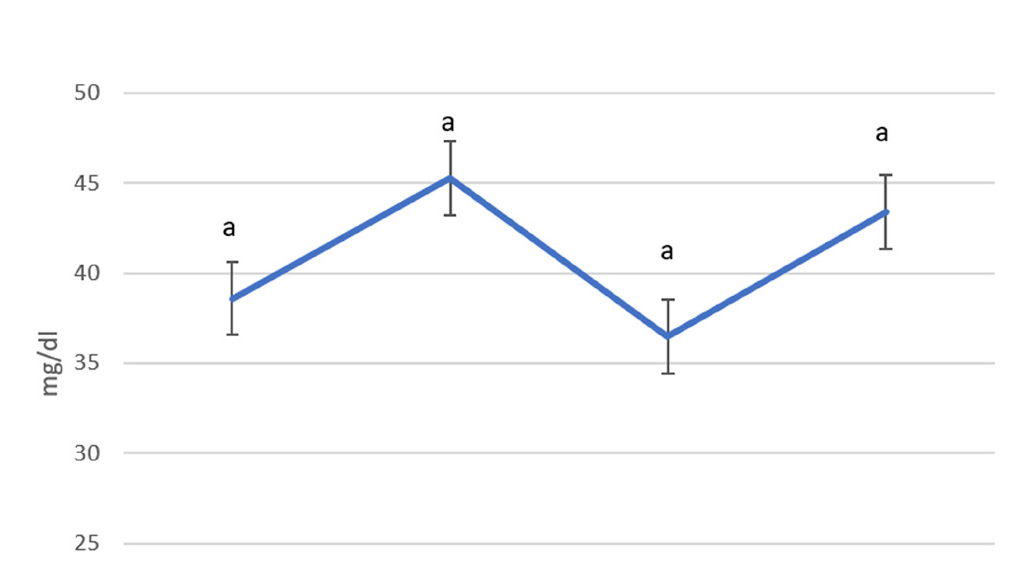
Figure 1. Triglyceride Values (Mean ± SE) in the serum of Arabian horses before and after exercise.
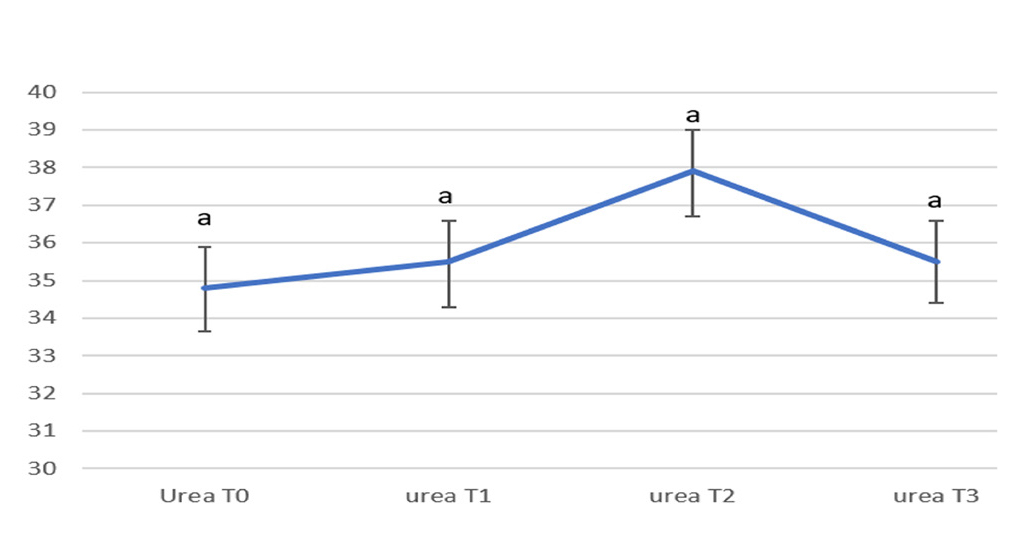
Figure 2. Urea Values (Mean ± SE) in the serum of Arabian horses before and after exercise.
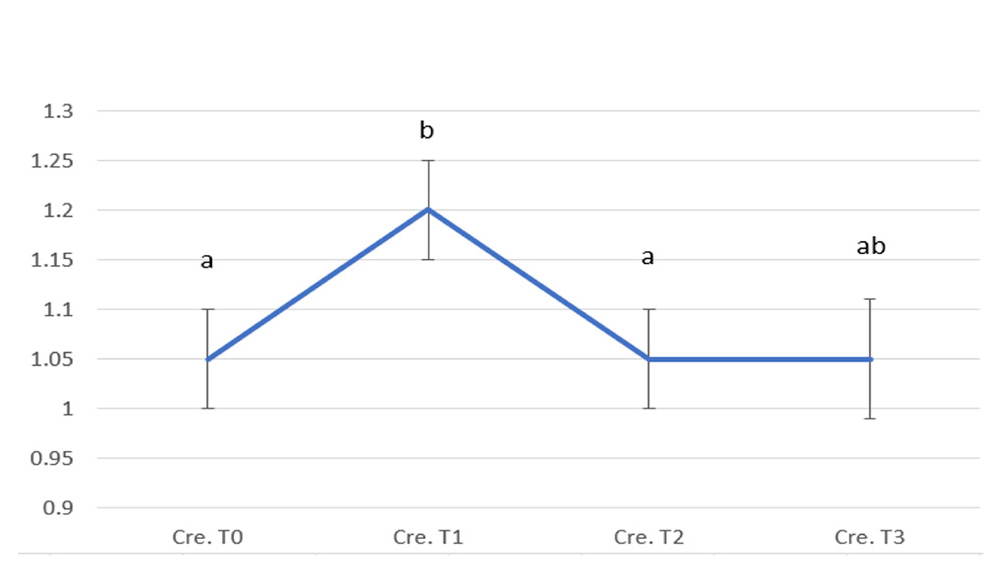
Figure 3. Creatinine Values (Mean ± SE) in the serum of Arabian horses before and after exercise.
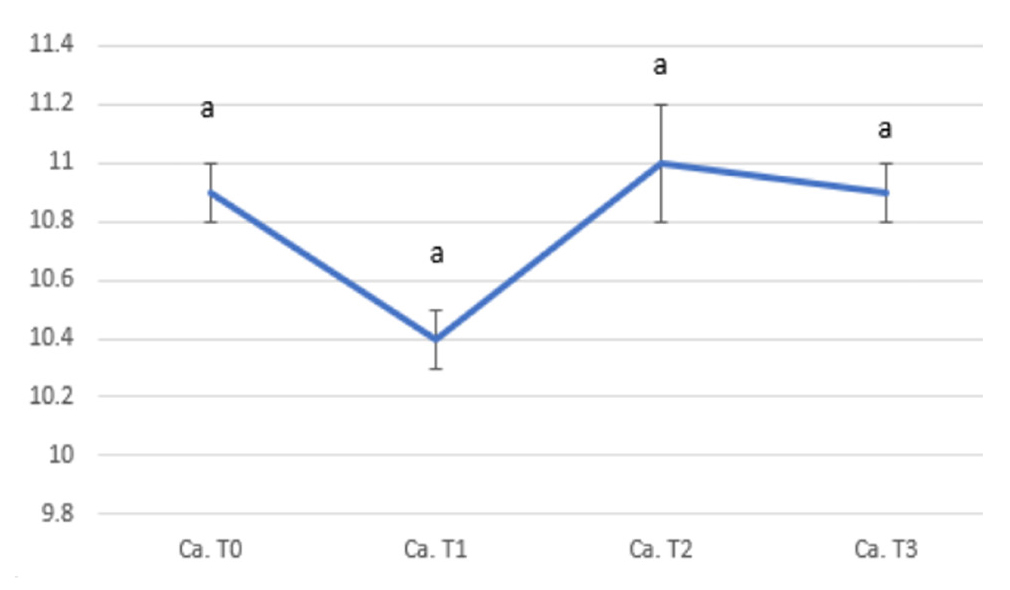
Figure 4. Calcium Values (Mean ± SE) in the serum of Arabian horses before and after exercise.
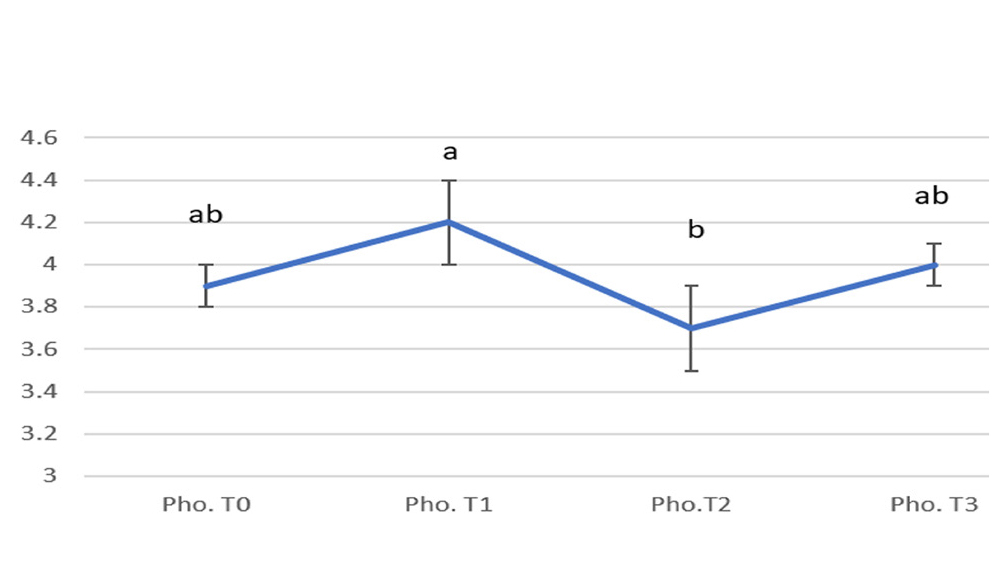
Figure 5. Phosphorus Values (Mean ± SE) in the serum of Arabian horses before and after exercise.
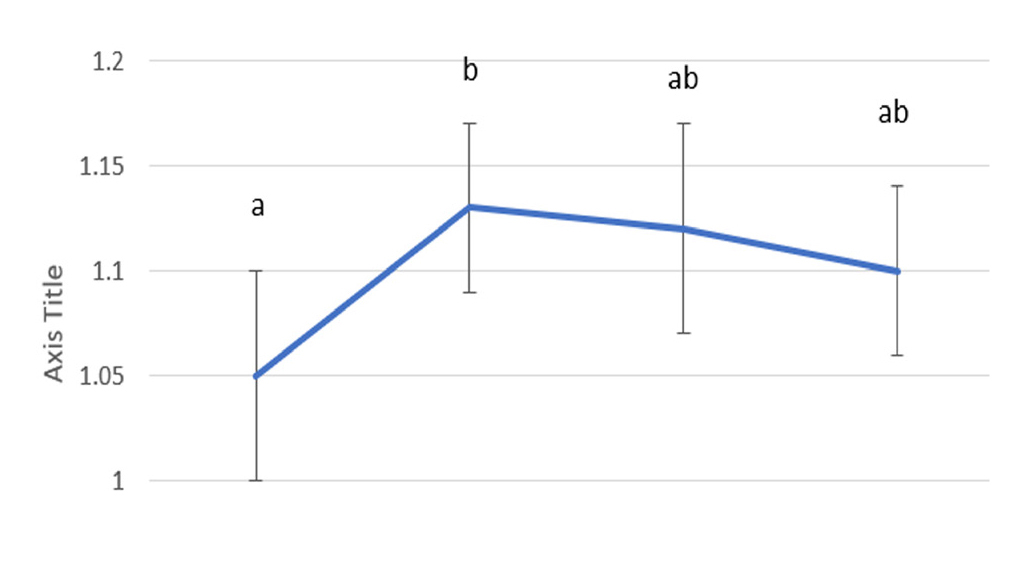
Figure 6. Total Bilirubin Values (Mean ± SE) in the serum of Arabian horses before and after exercise.
A significant increase in total bilirubin and creatinine concentrations was observed immediately after exercise (T1) compared with pre-exercise values (T0) (p < 0.05) (Figures 3 and 6). In contrast, although calcium concentrations decreased and phosphorus concentrations increased immediately after exercise, these changes were not statistically significant compared to the pre-exercise stage. From T1 (immediately after exercise) to T2 (six hours post-exercise) calcium concentrations demonstrated a noticeable upward trend, while phosphorus and creatinine concentrations demonstrated a downward trend during the same period (Figures 3-5).
Total bilirubin concentration did not show a significant difference between T1 and T2 (Figure 6). Creatinine levels at T2 and T3 decreased compared with T1 and approached baseline levels (T0), resulting in no significant differences from pre-exercise values (Figure 3).
Total bilirubin levels significantly increased immediately after exercise (T1) (p < 0.05) but then decreased again at T2 and T3, returning toward pre-exercise values (Figure 6).
Although time had a significant effect on the concentrations of calcium, urea and triglyceride (p < 0.05), no significant differences were observed between individual sampling times. Phosphorus concentrations showed a non-significant increase immediately after exercise (T1), followed by a significant decrease at T2 (p < 0.05), and then a non-significant increase at T3 (Table 1).
Data collected during visits to equestrian clubs including information on age, sex, weight, and administered medications. The mean and median ages of the horses included in this study was 4 years. For stallions, the mean, median, minimum, and maximum ages were 4.3, 4, 3, and 7 years, respectively, while for mares these values were 3.6, 3, 3, and 6 years, respectively.
The results demonstrated that mares had significantly higher mean concentrations of glucose, triglycerides, cholesterol, urea, phosphorus, sodium, and chloride, as well as significantly higher mean serum activities of ALT, AST, and LDH, compared with stallions (p < 0.05). In contrast, the mean serum magnesium concentration was significantly higher in stallions compared to mares (p < 0.05) (Table 2).
Moreover, the results indicate that horses younger than 4 years had significantly higher mean concentrations of total protein and significantly higher mean serum activities of ALT, AST, ALP, GGT, and CPK compared with horses aged 4 years and older (p < 0.05). Conversely, serum creatinine concentrations were significantly lower in horses younger than 4 years compared with older horses (p < 0.05). Age effect in relation to other parameters was not statistically significant (Table 3).
Discussion
Exercise and physical activity are well known to induce changes in certain serum biochemical parameters in horses, and these responses are associated with factors such as individual variability, breed, and exercise intensity [ 12 ].
In this study, a decrease in serum calcium concentration was observed immediately after exercise (T1) compared with pre-exercise values (T0); however, this change was not statistically significant (Figure 4). The binding of calcium ions (Ca2+) to phosphate ions, albumin, and lactate can be considered one reason for this decreased calcium amount. In addition, ionized calcium is actively taken up by working muscles and stored in the sarcoplasmic reticulum, which may further contribute to the observed decrease in calcium levels [ 13 ]. Other studies have suggested exercise-induced hypocalcemia may also result from sustained calcitonin activity or severe sweating during physical activity [ 14 ]. Martins et al. reported a slight post-exercise decrease in calcium concentration in Brazilian Mangalarga horses, attributing this change to either calcium loss via sweating or to increased calcium influx into muscle cell, where calcium binds to troponin molecules to facilitate actin-myosin interactions for muscle contraction during exercise [ 15 ].
In the present study, although the overall effect of time on calcium concentration was significant (p < 0.05), no significant difference were detected between post-exercise sampling time (T1, T2, T3) and the pre-exercise time (T0). Similarly, in a study by Inoue et al. on changes in serum minerals and electrolytes during exercise in Thoroughbred horses over five days using a treadmill, the effect of time on calcium concentration was significant (p < 0.05), but no significant difference was found between pre-exercise and immediately post-exercise calcium levels [ 16 ].
Grimston et al. demonstrated that exercise in humans increases blood calcitonin levels, an effect more closely associated with hypercalcemia-induced stimulation than with dehydration [ 17 ]. Another human study have shown that elevated calcitonin levels may partially prevent dehydration-induced hypercalcemia [ 18 ].
In the present study, no increase in calcium concentration was observed immediately after exercise (T1); instead, a non-significant decrease compared to pre-exercise levels (T0) was noted. Inoue et al. suggested that exercise induced hypocalcemia may be attributable to sweating, which significantly (p < 0.05) counteracts blood concentration-induced hypercalcemia [ 16 ]. Kanungo et al. evaluated the intermittent effects of exercise on serum metabolites in racehorses under hot and humid conditions, and found no significant changes in serum calcium concentration at 30 minutes, four hours, and eight hours after exercise were not significantly different [ 19 ]. Similarly, Zobba et al. also reported a downward trend in calcium concentration following intense exercise in ponies, with values returning close to baseline within 30 minutes after exercise [ 20 ].
In this study, phosphorus concentrations showed a trend on increase immediately after physical exercise (T1) compared to pre-exercise levels (T0), although this change was not statistically significant (Figure 5). Previous research on Thoroughbred horses indicated a significant rise in phosphorus levels five minutes post-exercise [ 21 ]. This phenomenon may be linked to phosphate release from skeletal muscles during the breakdown of high-energy phosphate compounds, such as ATP [ 22 , 23 ]. Studies involving Arabian horses participating in endurance races have also demonstrated significant increases in phosphorus levels immediately after the race compared with pre-race level [ 24 ]. In the current study, the non-significant increase in phosphorus concentration at T1 was followed by a significant decrease at T2 (six hours post-exercise), a pattern consistent with previous reports [ 24 ]. Additionally, other studies have noted a non-significant increase in serum phosphorus immediately after exercise, which aligns with the present findings regarding phosphorus changes from T0 to T1 [ 10 ].
In this study, serum creatinine concentrations remained within the normal range [ 25 ] at all sampling times but increased significantly (p < 0.05) immediately after exercise (T1) compared with pre-exercise (T0). This increase was followed by a significant decrease (p< 0.05) at T2, likely due to rehydration during rest, and a further decline at T3, with concentrations approaching baseline levels (Figure3). The initial increase in creatinine at T1 is consistent with pre-renal azotemia secondary to reduced blood volume caused by excessive sweating [ 26 , 27 ]. The subsequent decline and return toward baseline suggest that other causes, such as renal failure or exertional rhabdomyolysis, are unlilely [ 3 ]. Similar patterns have been reported in various equine exercise studies. Poskiene et al. reported a 21-30% post-race increase in creatinine concentration in 112 endurance horses, followed by a decline [ 8 ]. In Standardbred horses competing over 1600-2000 m, creatinine rose significantly (p < 0.05) up to 60 min post-race, then decreased [ 6 ]. Thoroughbreds showed peak creatinine 5 min after a 1600 m race, normalizing within 60 min [ 21 ]. In endurance races ranging from 65 to 120 km, creatinine increased by about 19% post-race and decreased by 13% within 12-18 hours [ 24 ]. In contrast, a short-distance study in Standardbreds reported no significant change in creatinine concentrations 48-72 hours after exercise [ 2 ]. The present findings align with these observations, showing a transient post-exercise creatinine rise followed by recovery within 18 h, reflecting its relations to hydration changes rather than persistent renal dysfunction.
In the present study, serum urea concentrations remained within the normal range [ 25 ] at all sampling times. Although an upward trend was observed immediately after exercise (T1) and persisted at six hours post-exercise (T2), these changes were not statistically significant, and concentrations declined toward baseline from T3 (Figure 2). Such transient, increases may be related to mild dehydration, hemoconcentration from sweating, or increased protein catabolism during exercise [ 4 ]. Similar patterns have been reported in previous studies on horses subjected to varying exercise intensities. In ponies without regular training, urea increased significantly (p < 0.05) post-exercise and returned rapidly to baseline, whereas trained ponies showed smaller changes; this was attributed to fluid loss and reduced renal blood flow [ 28 ]. Endurance race studies in Arabians, Zemaitukai, warmbloods, and mixed breeds consistently demonstrated post-exercise elevations in serum urea, sometimes reaching about 40%, particularly after longer distances. These increases have been linked to both dehydration-related hemoconcentration and adaptive renal mechanisms that enhance urea reabsorption to support water and sodium conservation during prolonged exertion [ 9 ]. Taken together, the literature suggests that post-exercise urea changes-whether significant or not- are generally short-term, reflecting hydration status and metabolic protein turnover rather than persistent renal dysfunction. The present findings, showing only mild, non-significant fluctuations, are consistent with these physiological responses.
In this study, serum triglyceride concentrations stayed within the normal range [ 25 ], showing a slight, non-significant increase immediately post-exercise (T1) followed by a decrease at six hours (T2) and a modest, non-significant increase at 18 hours post-exercise (T3) (Figure 1). These fluctuations likely reflect transient changes in lipid mobilization for muscle energy supply [ 5 ]. Previous equine studies reported variable findings: some report significant post-exercise increases, particularly after prolonged or high-intensity phases such as cross-country or 120-km endurance rides [ 5 , 24 ], while others found no significant increases after shorter endurance events or standardized training [ 7 , 29 ]. Collectively, these results suggest that exercise-related changes in triglycerides are influenced by exercise type, duration, and intensity, and in most cases remain transient without exceeding physiological limits.
In the present study, total bilirubin concentration remained within the normal range [ 25 ], but increased significantly (p < 0.05) immediately after exercise (T1) compared with baseline (T0), with no further significant changes at six (T2) or 18 hours (T3) post-exercise (Figure 6). Similar transient increases in bilirubin concentration are consistent with previous reports showing marked bilirubin elevations after both short-distance races and prolonged endurance events, often returning toward baseline within hours [ 10 , 21 , 24 ]. In endurance horses, increases of 60-184% have been observed within hours after competition, followed by partial recovery within 12-18 hours [ 24 ], whereas Thoroughbreds in sprint races showed rapid normalization within 60 minutes [ 21 ], These changes are attributed to factors including hemoconcentration from fluid loss, reduced renal clearance, and increased bilirubin production from enhanced hemolysis during exercise, with hydration status inversely correlated with bilirubin concentration [ 24 ]. Collectively, evidence suggests that post-exercise hyperbilirubinemia in horses is a reversible physiological response to physical activity, influenced by exercise duration, intensity, and hydration rather than an indicator of persistent hepatic dysfunction.
Differences in serum biochemical parameters between stallions and mares after training were observed in the present study. Regarding the effect of sex on parameters measured before and after exercise, the following possible reasons can be suggested to researchers for future studies: The lower concentrations of glucose, triglycerides, cholesterol, and phosphorus in stallions during exercise may be due to their more efficient energy metabolism, such that the consumption of these variables by muscle cells occurs at a greater rate and with higher efficiency. Lower urea concentration in stallions may be related to more efficient protein anabolism. Lower activities of transaminases (ALT and AST) and lactate dehydrogenase (LDH) in stallions may indicate better muscular adaptability during exercise, resulting in reduced enzymes leakage into the bloodstream. Higher sodium and chloride concentrations in mares following exercise may suggest a greater dehydration experienced by mares during physical activity. The reason for the higher magnesium concentrations in stallions remains unknown.
There are also differences between serum biochemical parameters in horses under four years of age compared to horses four years of age and older following exercise. Regarding the effect of age on parameters measured before and after exercise, the following possible reasons can be suggested to researchers for future studies: Higher total protein concentrations in horses younger than four years compared to those aged four years or older, which may either relates to greater protein production in the body or to greater dehydration. Lower Creatinine concentrations in horses younger than four years compared to horses older than four years, which may be attributed to smaller muscle mass or higher renal clearance in this age group. Higher serum activities of ALT, AST, and CPK in horses under four years of age are likely associated with greater muscle damage during exercise and the leakage of these enzymes into the bloodstream in younger horses. ALP activity was also higher in horses younger than four years, probably due to growing animals in this age range. The higher GGT activity observed in horses younger than four years compared to those older than four years has no clearly established explanation.
In conclusion, this study highlights the significant biochemical alterations in serum parameters of Arabian horses following a 15-kilometer run in hot and dry conditions. The observed effect of time, sex and age on serum biochemical parameters alongside electrolyte levels, provides important insights into the physiological responses induced by exercise. Our findings emphasize the importance of monitoring biochemical markers at multiple time points post-exercise to gain a comprehensive understanding of their dynamics and implications for equine health and performance. This research contributes to the broader field of equine exercise physiology, facilitating the development of tailored training regimens that optimize the well-being and athletic capabilities of Arabian horses. However, the need for further studies regarding the duration and type of training in horses of this breed is still felt.
Declaration of Generative AI and AI-assisted technologies in the writing process
Grammarly software was used to correct minor grammatical errors in the manuscript. Furthermore, chat GPT AI was employed to improve the quality of language, merge and summarize a couple of paragraphs in the discussion section.
Ethical Approval
All stages and procedures in this study followed the ethical standards of the 1975 Helsinki Declaration (revised in 2000 and 2008). The study was also approved in accordance with national regulations (Ethics Code: IR.UM.REC.1400.219).
Horses and Physical Training
This study was conducted on 22 apparently healthy Arabian horses, comprising 14 stallions and 8 mares, aged 3 to 7 years, selected from two equestrian clubs located in the Ashkezar and Zarach regions of Yazd Province, Iran. All horses were indigenous Arabian horses exhibiting typical Arabian breed markings, confirming their breed authenticity. The horses were maintained under similar conditions, including diet and training protocols. Yazd is one of the three main centers for Arabian horse breeding in Iran, and is characterized by a hot and dry climate. Prior to inclusion in the study, each horse underwent a thorough physical examination performed by a specialist in veterinary internal medicine to ensure its health status throughout the study, including history assessment and clinical examination. All horses followed a unified vaccination and deworming program at the breeding centers, and none of the mares were pregnant, during the study. Horses were housed individually in stalls, with the ambient temperature maintained between 25 and 27°C. A uniform photoperiod conditions was applied during the summer, with sunrise at 5:30 a.m. and sunset at 5:45 p.m.. The horses’ diet was formulated according to the National Research Council (NRC) Nutritional Requirements table (1989). The daily ration consisted of dry alfalfa hay at approximately 1.5% of body weight and concentrate feed at approximately 1% of body weight. The horses were trained under conditions similar to racing six days a week, with one rest day. Training sessions began at sunrise (5:30 a.m.) and lasted two hours. A standardized daily training program was applied to all horses, although minor adjustments were permitted by the trainer based on individual age, physical ability, and performance. However, the overall duration and intensity of training were generally similar among all horses. Each training session consisted of 30 minutes of warm-Up, 45 minutes of walking (Pacing), 20 minutes of trotting, and 25 minutes of cantering at a moderate pace. The total distance covered during each training session was approximately 15 kilometers, with an average cantering speed of approximately 12 m/s.
Blood Sampling
All stages and procedures in this study followed the ethical standards of the 1975 Helsinki Declaration (revised in 2000 and 2008). The study was also approved in accordance with national regulations (Ethics Code: IR.UM.REC.1400.219).
Blood samples were collected from the jugular vein of each horse at four-time points:
- • T0: Before the start of exercise and physical activity
- • T1: Immediately after exercise and physical activity
- • T2: Six hours post-exercise
- • T3: Eighteen hours post-exercise
Sampling was carried out in the summer season from June 22 to August 22, 2019, in Yazd province. Blood samples were collected into tubes without anticoagulant and centrifuged at 2000 g for 20 minutes. Serum was separated within 20 minutes of blood collection and stored at −20°C. Serum samples were transported from Yazd to Faculty of Veterinary Medicine, Ferdowsi University of Mashhad, using a nitrogen tank at −196°C, and subsequently stored at −80°C. The serum concentrations of glucose, urea, triglycerides, cholesterol, creatinine, total bilirubin, calcium, phosphorus, total protein, albumin, sodium, potassium, chloride, and magnesium, as well as the serum activities of ALT, AST, ALP, GGT, LDH, and CPK, were measured using commercial diagnostic kits produced (Pars Azmoon Company, Tehran, Iran) and an Alpha Classic refrigerated biochemical autoanalyzer (Esfahan, Iran). Serum concentrations of sodium, potassium, and chloride were measured using an ion specific electrode analyzer (STARLYTE III, Alpha Wasserman, Netherlands). The accuracy of biochemical parameter measurements was ensured using commercial control serum (Centronorm, Centronic GmbH Ltd., Wartenberg, Germany).
Statistical Analysis
Statistical analyses were performed using SPSS software (version 16.0). A One-way repeated measures ANOVA was used to compare the concentrations of parameters across consecutive time points. When significant differences were found, pairwise comparisons were conducted using the Bonferroni post hoc test. The effects of time, group (age and sex), and time × group interactions were assessed. Differences were considered statistically significant at p < 0.05 .
Authors' Contributions
F.K., M.Z., K.S., and M.M. conceived and planned the experiments. F.K., M.Z., and K.S. carried out the experiments. F.K., and M.Z. planned and carried out the simulations. F.K., M.Z., K.S., and M.M. contributed to sample preparation. F.K., M.Z., K.S., and M.M. contributed to the interpretation of the results. M.M. took the lead in writing the manuscript. All authors provided critical feedback and helped shape the research, analysis and manuscript.
Acknowledgements
The authors would like to thank Ferdowsi University of Mashhad for financial support and everyone who helped us in performing this study.
Conflict of interest
The authors declare that there is no conflict of interest.
References
- Ropka-Molik K, Stefaniuk-Szmukier M, Musiał A, Velie BJI. The genetics of racing performance in Arabian horses. Int J Genomics. 2019;2019(1):9013239.DOI
- Bos A, Compagnie E, Lindner AJ. Effect of racing on blood variables in Standardbred horses. J Vet Clin Pathol. 2018;47(4):625-8.DOI
- Ghadrdan Mashhadi AR, Razi Jalali M, Fatemi Tabatabaei SR, Arjmand Nezhad M. The effect of exercise on concentration of some serum biochemical parameters in Arabian horses. J Vet Clin Pathol. 2018;12:145-55.
- Pourmohammad R, Mohri M, Seifi H, Sardari K. Effect of exercise on some minerals, metabolites and enzyme activities in the serum of trained Arabian horses. Turk J Vet Anim Sci. 2019;43(6):791-9.DOI
- Rose RJ, Ilkiw JE, Arnold KS, Backhouse J, Sampson D. Plasma biochemistry in the horse during 3-day event competition. Equine Vet J. 1980;12(3):132-6.
- Piccione G, Casella S, Giannetto C, Monteverde V, Ferrantelli V. Exercise-induced modifications on haematochemical and electrophoretic parameters during 1600 and 2000 meters trot races in Standardbred horses. J Appl Anim Res. 2009;35(2):131-5.
- Kedzierski W, Bergero D, Assenza A. Trends of hematological and biochemical values in the blood of young race horses during standardized field exercise tests. Acta Vet. 2009;59(5-6):457-66.DOI
- Poškienė I, Gruodytė R, Autukaitė J, Juozaitienė V, Antanaitis R. Speed and blood parameters differ between Arabian and Žemaitukai horses during endurance racing. Animals (Basel). 2021;11(4):995.DOI
- Poškienė I, Juozaitienė V, Antanaitis R. A comparison of haematological and biochemical blood indices between the Žemaitukai and Arabian horses participating in endurance competitions. Acta Vet Brno. 2021;90(2):159-69.DOI
- Kupczyński R, Śpitalniak K. Analysis of acid–base balance as well as hematological and biochemical parameters in horses of combined driving discipline. Arch Anim Breed. 2015;58:221-8.DOI
- Backhouse J. The implications of heat generation and electrolytes in feed and competition in athletic horses. Asian-Australas J Anim Sci. 2000;13(3):394-9.
- Padilha FGF, Dimache LAG, Almeida FQ, Ferreira AMR. Blood biochemical parameters of Brazilian sport horses under training in tropical climate. Rev Bras Zootec. 2017;46:678-82.DOI
- Vervuert I, Coenen M, Wedemeyer U, Chrobok C, Harmeyer J, Sporleder HP. Calcium homeostasis and intact plasma parathyroid hormone during exercise and training in young Standardbred horses. Equine Vet J. 2002;34(7):713-8.
- Allaam M, Elseady Y, Nayel M, Elsify A, Salama A, Hassan H, et al. Physiological and hemato-chemical evaluation of Thoroughbred race horses after exercise. Int J Agro Vet Med Sci. 2014;8(3):81-93.
- Martins LP, Di Filippo PA, Meireles MAD, Peçanha RMS, Macêdo Mello L, Ribeiro LMF, et al. Effect of marcha exercise on serum electrolytes and acid–base balance in Mangalarga Marchador horses. J Equine Vet Sci. 2017;49:108-12.DOI
- Inoue Y, Osawa T, Matsui A, Asai Y, Murakami Y, Matsui T, et al. Changes of serum mineral concentrations in horses during exercise. Asian-Australas J Anim Sci. 2002;15(4):531-6.DOI
- Grimston SK, Tanguay KE, Gundberg CM, Hanley DA. The calciotropic hormone response to changes in serum calcium during exercise in female long distance runners. J Clin Endocrinol Metab. 1993;76(4):867-72.
- Aloia JF, Rasulo P, Deftos LJ, Vaswani A, Yeh JK. Exercise-induced hypercalcemia and the calciotropic hormones. J Lab Clin Med. 1985;106(3):229-32.
- Kanungo S, Pradhan C, Babu L, Behera K, Palei A, Jena B, et al. Effect of periodicity of exercise on serum metabolites of stall-housed competition horses under climatic conditions of Odisha. Int J Curr Microbiol Appl Sci. 2018;7:3338-47.DOI
- Zobba R, Ardu M, Niccolini S, Cubeddu F, Dimauro C, Bonelli P, et al. Physical, hematological, and biochemical responses to acute intense exercise in polo horses. J Equine Vet Sci. 2011;31(9):542-8.DOI
- Hassan HY, Aly MA, Elseady Y, Nayel MA, Elsify AM, Salama AA, et al. The effect of race on clinical, hematological and biochemical biomarkers in Thoroughbred horses. Alexandria Journal of Veterinary Sciences. 2015; 46:161-69.DOI
- Yamada MO, Minami T, Ichii M, Okazaki Y, Utsumi M, Tohno S, et al. An improved method for estimating original mineral contents in excavated bone using sulfur. Biol Trace Elem Res. 1996;52:155-61.
- Arslan S, Erdem S, Sivri A, Hasçelik Z, Tan E. Exercise-induced apoptosis of rat skeletal muscle and the effect of meloxicam. Rheumatol Int. 2002;21:133-6.
- Larsson J, Pilborg P, Johansen M, Christophersen M, Holte A, Roepstorff L, et al. Physiological parameters of endurance horses pre- compared to post-race, correlated with performance: a two race study from Scandinavia. ISRN Vet Sci. 2013;2013(1):684353.DOI
- Latimer KS. Duncan and Prasse’s veterinary laboratory medicine: clinical pathology. 5th ed. Ames (IA): Wiley-Blackwell; 2011.
- Kaneko JJ, Harvey JW, Bruss ML. Clinical biochemistry of domestic animals. 6th ed. San Diego (CA): Academic Press; 2008.
- Nelson RW, Couto CG. Small animal internal medicine. 6th ed. St. Louis (MO): Elsevier Health Sciences; 2019.
- Soroko M, Śpitalniak-Bajerska K, Zaborski D, Poźniak B, Dudek K, Janczarek I. Exercise-induced changes in skin temperature and blood parameters in horses. Arch Anim Breed. 2019;62(1):205-13.DOI
- Klobučar K, Vrbanac Z, Gotić J, Bojanić K, Bureš T, Brkljača Bottegaro N. Changes in biochemical parameters in horses during 40 km and 80 km endurance races. Acta Veterinaria. 2019;69(1):73-87.DOI


